Who Am I? Replacement Children and the Quest for Identity
January 28, 2026 - 19:27
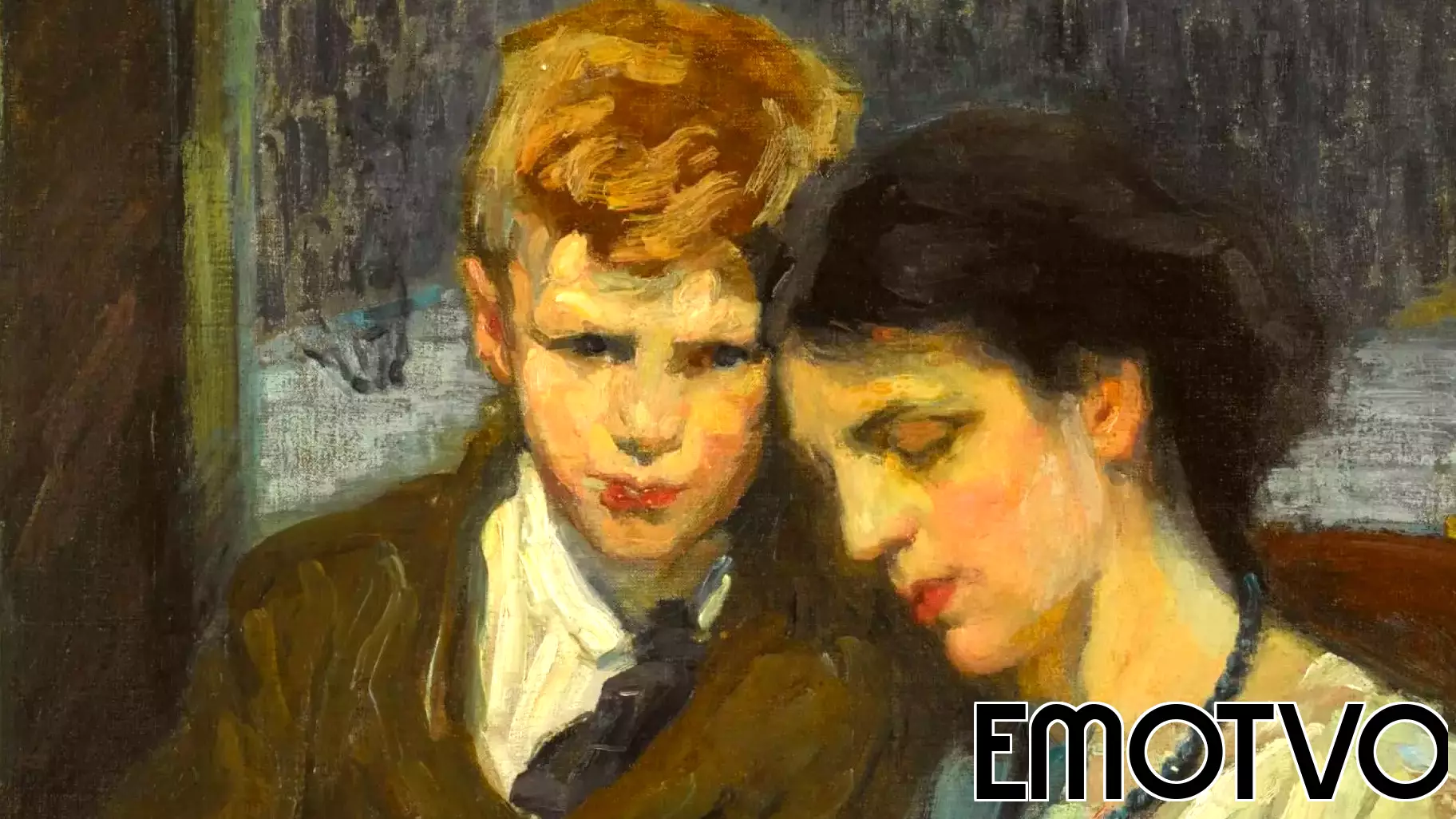
A quiet psychological phenomenon, often unfolding within families touched by profound loss, leaves individuals grappling with a unique set of emotional challenges. Known as "replacement children," these are individuals born after the death of a sibling, sometimes consciously or unconsciously seen by parents as a substitute for the child who passed away.
This complex dynamic can burden the living child with a heavy, invisible weight. Experts note a common pattern of perfectionism and overachievement, as the child strives to fill an impossible void and meet idealized expectations. Beneath this drive often lies a deep-seated survivor's guilt, a lingering sorrow for the sibling they never knew, coupled with unexpressed anger and remorse.
Their core struggle becomes the fundamental quest for identity. The replacement child must navigate a path between honoring the memory of the lost sibling and forging their own authentic self, separate from the family's grief. This journey involves untangling their own desires and personality from the narrative of replacement, a process that can extend well into adulthood. The work is deeply personal, focusing on self-discovery and the right to exist as an individual, not a symbol.
MORE NEWS

July 29, 2026 - 04:25
Psychology says people who are not able to let go of painful memories aren’t vindictive, they may be facinNew research in psychology suggests that people who struggle to release painful memories are not simply vindictive or holding a grudge. Instead, their inability to let go may point to underlying...

July 28, 2026 - 04:09
Why Bilingual Brains Switch Languages Without AskingBilingual speakers have all experienced it: you are in the middle of a sentence in English, and suddenly a Spanish or Mandarin word pops out before you can stop it. It feels like a glitch, a moment...

July 27, 2026 - 02:50
The Strongest Sign That You’re in the Right RelationshipA growing body of relationship research suggests that the strongest indicator of a healthy partnership is not how often you laugh together or whether you share the same hobbies. It is something...

July 25, 2026 - 20:10
Exploring Infidelity: Five Films That Reveal the Complexity of BetrayalInfidelity isn`t just one story; it unfolds in various ways, driven by different motivations and circumstances. Five films delve into the intricate nature of betrayal, showcasing how it can emerge...