Understanding Women’s Preferred Expressions of Love
September 28, 2025 - 05:37

If you know how your partner experiences love, you can stop wasting energy on the wrong signals and start investing in the ones that count. Recent insights from psychological research reveal that women often have specific preferences when it comes to expressing and receiving love. These preferences, commonly referred to as "love languages," can significantly influence the dynamics of romantic relationships.
Many women resonate deeply with the love language of quality time. This means that they value undivided attention and shared experiences with their partners. Acts of service, where partners engage in helpful tasks, also rank high among preferred expressions of love. Additionally, words of affirmation, which include compliments and verbal expressions of appreciation, play a crucial role in making women feel cherished.
Understanding these love languages can transform relationships, allowing partners to connect more deeply and meaningfully. By recognizing and responding to these preferences, couples can foster stronger bonds and enhance their emotional intimacy.
MORE NEWS

August 20, 2026 - 18:35
Psychologist explains what your pet’s social media account reveals about youDedicated social media accounts for pets have exploded in popularity, turning ordinary dogs, cats, and even reptiles into digital celebrities. Some of these animals now boast follower counts in the...
August 20, 2026 - 11:56
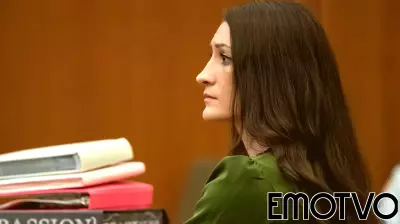
Psychologist testifies Lindsay Clancy was not criminally responsible in killing of her 3 childrenA forensic psychologist testifying for the defense stated that Lindsay Clancy was unable to understand the wrongfulness of her actions when she killed her three young children in 2023. The expert`s...

August 19, 2026 - 19:21
FO Talks: The Psychology of Geopolitics — How Authoritarianism Impacts Human BehaviorIn a recent episode of FO Talks, hosts Lucy Golish and Bahareh Sahebi take a deep look at the intersection of political structures and human psychology. The conversation centers on a question that...
August 19, 2026 - 14:40
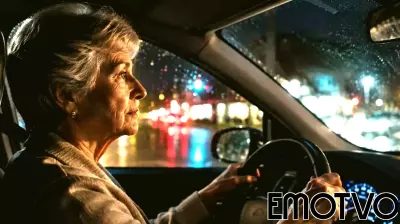
Psychology says seniors giving up night driving is never just about the eyesight — it’s the first negotiation older people face in a long series about independence, and how a family handles this one sets the terms for all the restFor many older adults, the decision to stop driving after sunset is rarely a simple matter of failing vision. Psychologists who study aging point out that this moment is often the first major...