Understanding FOFO: The Fear of Finding Out
November 13, 2025 - 03:53

"Fear of finding out," or FOFO, is emerging as a significant barrier preventing individuals from seeking essential health screenings. This phenomenon highlights the anxiety many feel about discovering potential health issues. For numerous people, the thought of facing a diagnosis can be overwhelming, leading them to avoid necessary check-ups and tests.
Health professionals emphasize the importance of regular screenings in early detection and prevention of diseases. However, FOFO can create a cycle of avoidance, where individuals prioritize their immediate comfort over long-term health. This reluctance can result in untreated conditions that may worsen over time.
To combat FOFO, experts recommend fostering open conversations about health concerns and the benefits of screenings. Educational campaigns can help demystify the process and reduce the stigma associated with receiving medical advice. By addressing these fears, individuals may be more inclined to take proactive steps toward their health and well-being, ultimately leading to better health outcomes for everyone.
MORE NEWS

August 20, 2026 - 18:35
Psychologist explains what your pet’s social media account reveals about youDedicated social media accounts for pets have exploded in popularity, turning ordinary dogs, cats, and even reptiles into digital celebrities. Some of these animals now boast follower counts in the...
August 20, 2026 - 11:56
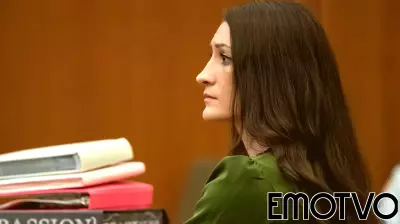
Psychologist testifies Lindsay Clancy was not criminally responsible in killing of her 3 childrenA forensic psychologist testifying for the defense stated that Lindsay Clancy was unable to understand the wrongfulness of her actions when she killed her three young children in 2023. The expert`s...
August 19, 2026 - 19:21
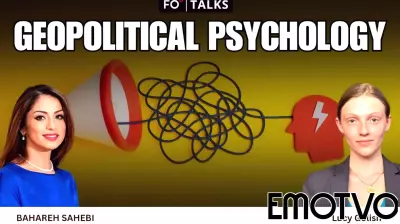
FO Talks: The Psychology of Geopolitics — How Authoritarianism Impacts Human BehaviorIn a recent episode of FO Talks, hosts Lucy Golish and Bahareh Sahebi take a deep look at the intersection of political structures and human psychology. The conversation centers on a question that...
August 19, 2026 - 14:40
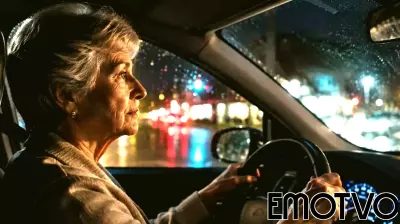
Psychology says seniors giving up night driving is never just about the eyesight — it’s the first negotiation older people face in a long series about independence, and how a family handles this one sets the terms for all the restFor many older adults, the decision to stop driving after sunset is rarely a simple matter of failing vision. Psychologists who study aging point out that this moment is often the first major...