The Strategic Advantage of Bathroom Breaks in Professional Tennis
July 1, 2025 - 03:24

Recent data analysis conducted by a psychologist from the University of Manchester has shed light on a controversial tactic in professional tennis: the use of bathroom breaks. The findings confirm what many have long suspected—that players who take these breaks can often gain a competitive edge over their opponents.
The research highlights the psychological impact of timeouts, suggesting that players who step away from the court not only have a chance to regroup physically but also disrupt their opponent's momentum. This strategic pause can lead to a shift in focus and rhythm, which may be crucial in high-stakes matches.
Critics argue that such tactics can be manipulative, as they may be used not only for legitimate reasons but also to gain an unfair advantage. The implications of this analysis are significant, prompting discussions about the regulations surrounding breaks in professional tennis and how they affect the integrity of the game. As the sport continues to evolve, the psychological dynamics of player behavior remain a key area of exploration.
MORE NEWS

August 20, 2026 - 18:35
Psychologist explains what your pet’s social media account reveals about youDedicated social media accounts for pets have exploded in popularity, turning ordinary dogs, cats, and even reptiles into digital celebrities. Some of these animals now boast follower counts in the...
August 20, 2026 - 11:56
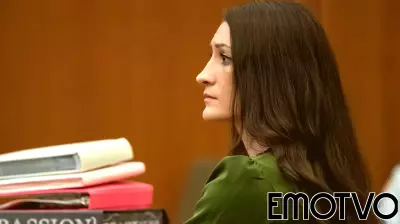
Psychologist testifies Lindsay Clancy was not criminally responsible in killing of her 3 childrenA forensic psychologist testifying for the defense stated that Lindsay Clancy was unable to understand the wrongfulness of her actions when she killed her three young children in 2023. The expert`s...

August 19, 2026 - 19:21
FO Talks: The Psychology of Geopolitics — How Authoritarianism Impacts Human BehaviorIn a recent episode of FO Talks, hosts Lucy Golish and Bahareh Sahebi take a deep look at the intersection of political structures and human psychology. The conversation centers on a question that...

August 19, 2026 - 14:40
Psychology says seniors giving up night driving is never just about the eyesight — it’s the first negotiation older people face in a long series about independence, and how a family handles this one sets the terms for all the restFor many older adults, the decision to stop driving after sunset is rarely a simple matter of failing vision. Psychologists who study aging point out that this moment is often the first major...