The Myth of Effortlessness: What Roger Federer's Losses Teach Us
June 11, 2026 - 02:30
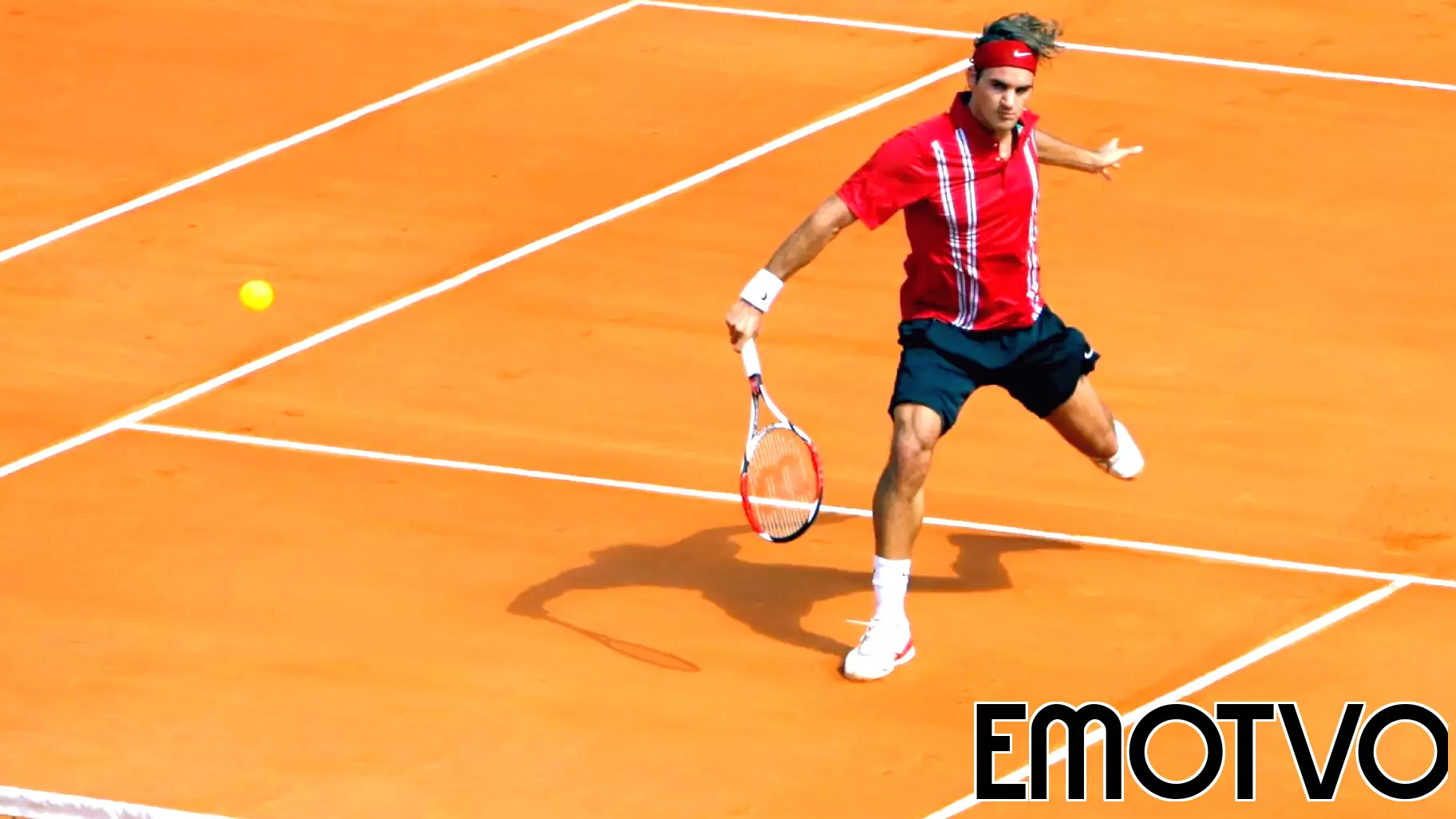
Roger Federer lost nearly half the points he ever played. That statistic surprises most people who remember only the graceful backhands, the smooth footwork, the seemingly effortless glide across the court. But the truth is that even the greatest tennis player in history failed more often than he succeeded in any given match. And that may be the lesson young people need most.
We live in a culture that worships natural talent. We see the final product - the trophy, the standing ovation, the highlight reel - and assume it came easily. We forget the early mornings, the missed shots, the losses that stung for days. Federer himself has said that people often told him his game looked effortless. He found that funny, because he knew the thousands of hours of grinding repetition that went into making a single stroke look smooth.
For young people growing up on social media, where everyone posts only their wins and their best moments, the myth of effortlessness is especially dangerous. They compare their own messy, struggling reality to the polished highlight reels of others. They think something is wrong with them because they have to work hard, because they fail, because they feel awkward and unsure.
The truth is that mastery always looks easy from the outside. But on the inside, it is full of doubt, frustration, and failure. Federer did not win 20 Grand Slam titles because he was born with a magic touch. He won them because he was willing to lose, to learn, and to show up again the next day. That is the real lesson. Not that effortlessness is a goal, but that it is a myth. And letting go of that myth might be the most freeing thing a young person can do.
MORE NEWS

July 25, 2026 - 20:10
Exploring Infidelity: Five Films That Reveal the Complexity of BetrayalInfidelity isn`t just one story; it unfolds in various ways, driven by different motivations and circumstances. Five films delve into the intricate nature of betrayal, showcasing how it can emerge...

July 24, 2026 - 11:56
When Is Calling Out Bias Actually Effective?Calling out bias has become a central tool in allyship, but its effectiveness depends heavily on timing and delivery. A well-placed intervention can shift perspectives and reinforce norms. A poorly...

July 23, 2026 - 18:27
Can AI Help Us Learn to Like Each Other?A new experiment suggests that artificial intelligence might do more than just answer questions or generate text. It could help people understand each other better. Researchers built a chatbot...

July 23, 2026 - 11:25
Considering Sublimation in ArtThe art world has long debated whether applying psychological theories to creative works enhances or diminishes their meaning. The concept of sublimation, where artists channel primal impulses into...