The Challenge of Settling Dinner Bills: Who Pays?
March 16, 2025 - 07:57
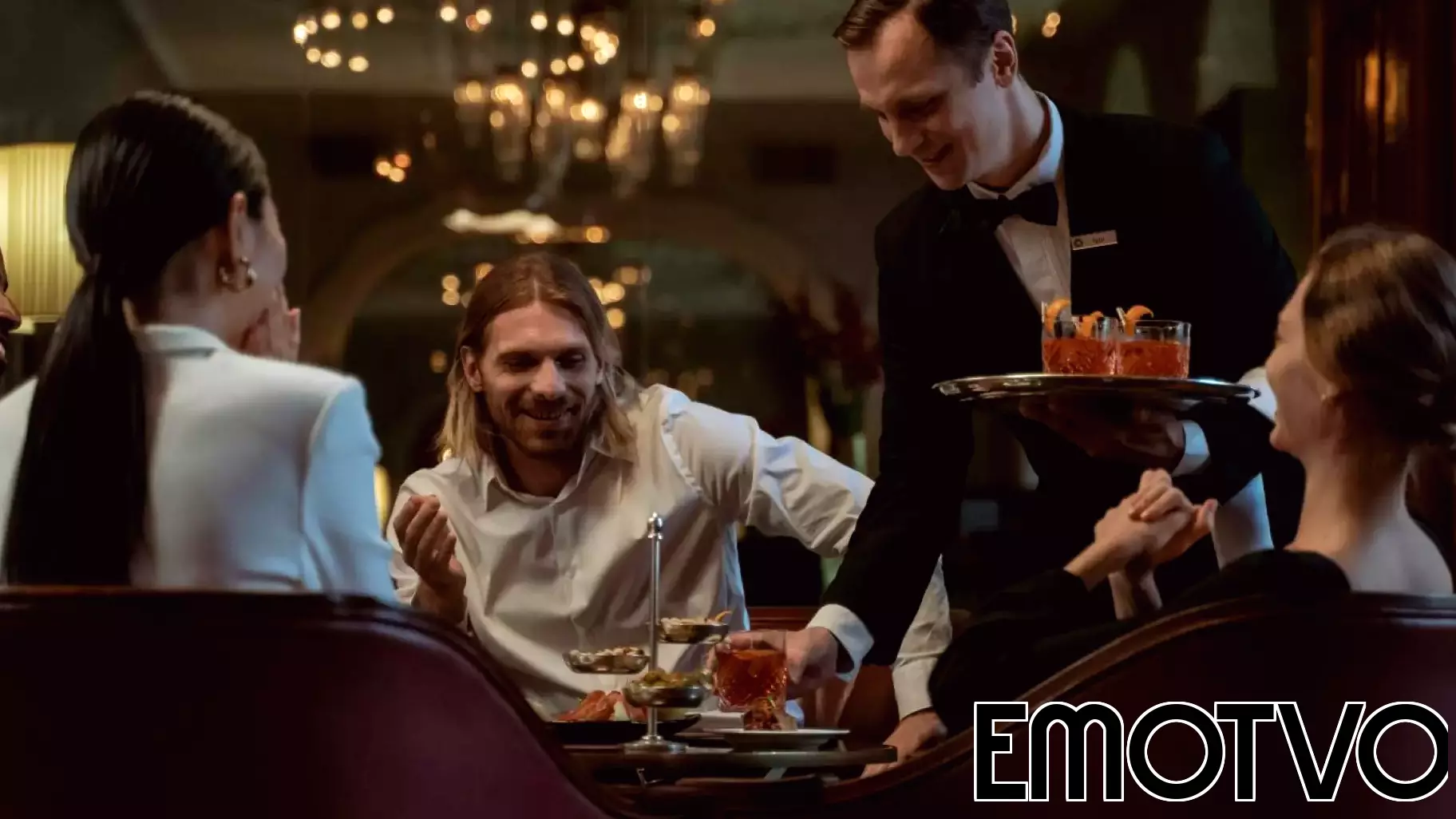
The question of who will cover the dinner bill can often lead to unexpected tension among friends and family. While many people may assume that splitting the bill evenly is the fairest approach, this method does not always satisfy everyone involved. Different preferences and financial situations can complicate the matter further.
Some diners may prefer to pay for their own meals, particularly if there is a significant disparity in what each person ordered. Others may feel that a simple split is the most straightforward solution, avoiding any awkward discussions.
In recent years, various apps and digital wallets have emerged to help streamline the process, allowing diners to quickly settle their shares. However, technology does not eliminate the underlying social dynamics at play.
Ultimately, the best approach may vary from group to group, emphasizing the importance of communication and understanding when navigating the delicate issue of who pays for dinner.
MORE NEWS

July 6, 2026 - 22:39
Psychology says people who believe in fairy tales aren't unrealistic: What this belief reveals?People who believe in fairy tales are often dismissed as naive or out of touch with reality. But psychology suggests the opposite may be true. Research indicates that engaging with stories of magic...
July 6, 2026 - 01:16
Shenandoah University Announces Over 1,100 Graduates For 2025-26WINCHESTER, VA (06/29/2026) -- Shenandoah University has announced that 1,180 students completed their degree and certificate requirements during the 2025-26 academic year. The total includes...

July 4, 2026 - 17:44
Psychology says people who can eat alone in a restaurant or go to movies alone aren't necessarily lonely,A common misconception is that people who enjoy eating at restaurants or watching movies alone must be lonely or socially isolated. Psychology suggests a more balanced perspective. Many people who...

July 4, 2026 - 13:22
Psychology says people who prefer staying home on the Fourth of July aren't necessarily unsocial, they mayFor many, the Fourth of July is synonymous with crowded parades, booming fireworks, and backyard barbecues. But a growing number of people choose to skip the festivities entirely, and psychology...