The Celebrity Status of Attractive Criminals: Understanding the Halo Effect
December 28, 2024 - 11:02
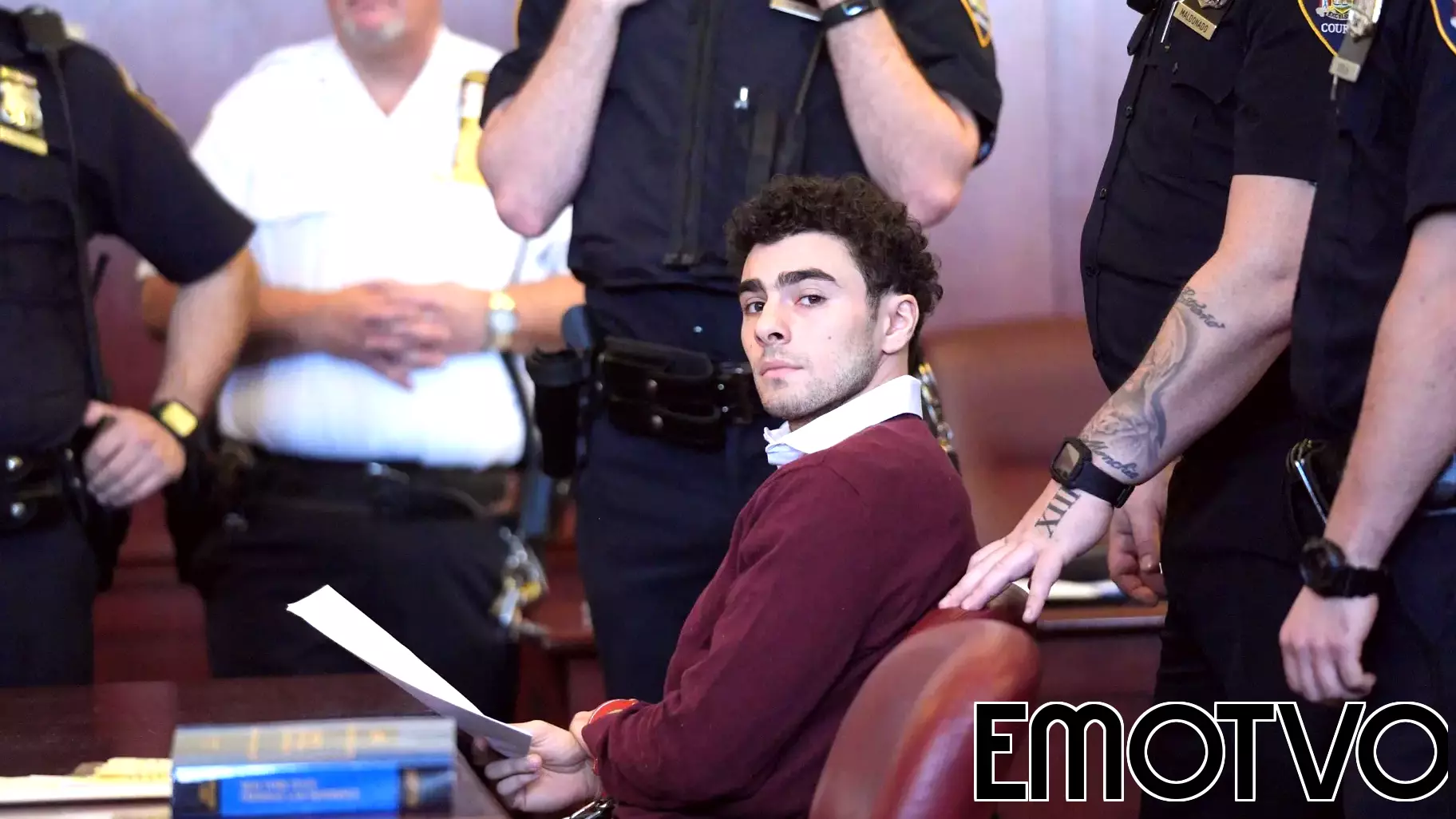
Attractive criminals frequently receive a surprising level of sympathy and admiration from the public, often being treated more like celebrities than lawbreakers. This phenomenon can be attributed to a psychological bias known as the "halo effect," where positive traits, such as physical attractiveness, lead individuals to overlook or excuse negative behaviors.
Research indicates that people are more likely to attribute desirable characteristics to those who are physically appealing, which can skew their judgment regarding the severity of a crime. This bias can result in leniency during legal proceedings and a tendency to focus on the individual’s charm or charisma rather than the gravity of their actions.
The implications of this bias extend beyond the courtroom, affecting media portrayals and public perception. Attractive criminals often dominate headlines, with their looks overshadowing their misdeeds. This raises important questions about societal values and the fairness of our justice system, highlighting the need for greater awareness of how appearance can influence our perceptions of morality and accountability.
MORE NEWS

August 20, 2026 - 18:35
Psychologist explains what your pet’s social media account reveals about youDedicated social media accounts for pets have exploded in popularity, turning ordinary dogs, cats, and even reptiles into digital celebrities. Some of these animals now boast follower counts in the...
August 20, 2026 - 11:56
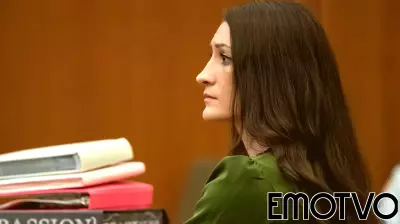
Psychologist testifies Lindsay Clancy was not criminally responsible in killing of her 3 childrenA forensic psychologist testifying for the defense stated that Lindsay Clancy was unable to understand the wrongfulness of her actions when she killed her three young children in 2023. The expert`s...
August 19, 2026 - 19:21
FO Talks: The Psychology of Geopolitics — How Authoritarianism Impacts Human BehaviorIn a recent episode of FO Talks, hosts Lucy Golish and Bahareh Sahebi take a deep look at the intersection of political structures and human psychology. The conversation centers on a question that...
August 19, 2026 - 14:40
Psychology says seniors giving up night driving is never just about the eyesight — it’s the first negotiation older people face in a long series about independence, and how a family handles this one sets the terms for all the restFor many older adults, the decision to stop driving after sunset is rarely a simple matter of failing vision. Psychologists who study aging point out that this moment is often the first major...