The Case for Embracing Delays
April 10, 2025 - 08:50
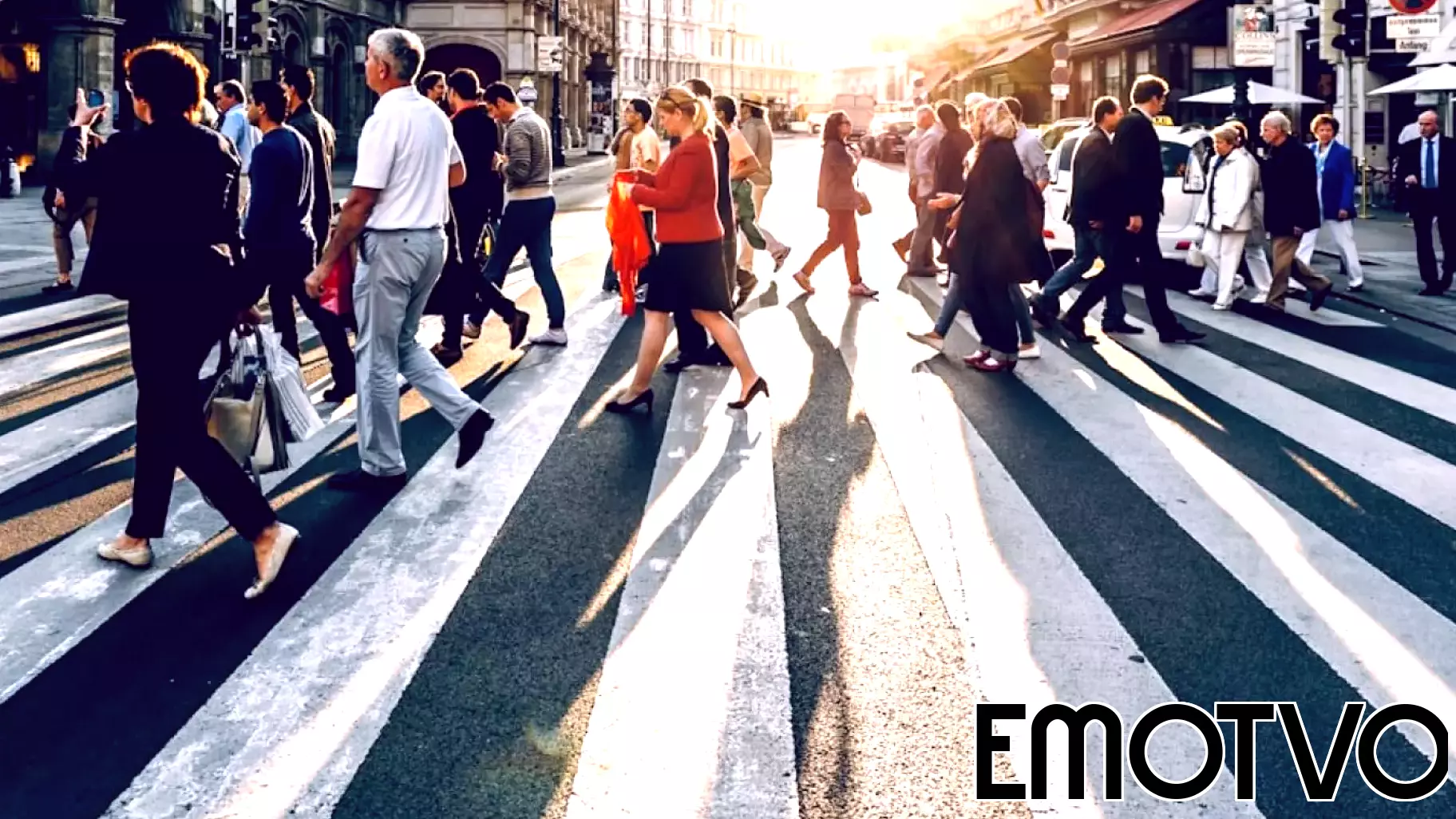
In a world that often equates punctuality with professionalism and respect, the idea of being late can seem counterintuitive. However, as we navigate an increasingly fast-paced society, the notion of intentionally arriving late may offer unexpected benefits. By allowing ourselves to step back from the relentless pressure of time, we can cultivate a more compassionate and thoughtful approach to our interactions.
Being late, when done purposefully, can provide an opportunity to pause and reflect. This deliberate delay can foster deeper connections with others, as it encourages us to prioritize quality over speed. In a culture that often glorifies hustle and urgency, taking a moment to breathe and arrive a bit later can be a radical act of self-care and kindness.
Moreover, embracing tardiness can challenge the stigma surrounding it, promoting a broader understanding of time as a fluid concept rather than a rigid schedule. In doing so, we might just rediscover the value of patience and the importance of being present in our relationships.
MORE NEWS

August 20, 2026 - 18:35
Psychologist explains what your pet’s social media account reveals about youDedicated social media accounts for pets have exploded in popularity, turning ordinary dogs, cats, and even reptiles into digital celebrities. Some of these animals now boast follower counts in the...

August 20, 2026 - 11:56
Psychologist testifies Lindsay Clancy was not criminally responsible in killing of her 3 childrenA forensic psychologist testifying for the defense stated that Lindsay Clancy was unable to understand the wrongfulness of her actions when she killed her three young children in 2023. The expert`s...

August 19, 2026 - 19:21
FO Talks: The Psychology of Geopolitics — How Authoritarianism Impacts Human BehaviorIn a recent episode of FO Talks, hosts Lucy Golish and Bahareh Sahebi take a deep look at the intersection of political structures and human psychology. The conversation centers on a question that...
August 19, 2026 - 14:40
Psychology says seniors giving up night driving is never just about the eyesight — it’s the first negotiation older people face in a long series about independence, and how a family handles this one sets the terms for all the restFor many older adults, the decision to stop driving after sunset is rarely a simple matter of failing vision. Psychologists who study aging point out that this moment is often the first major...