Sin and the Soul's Sickness: A Balanced View
June 2, 2026 - 21:16
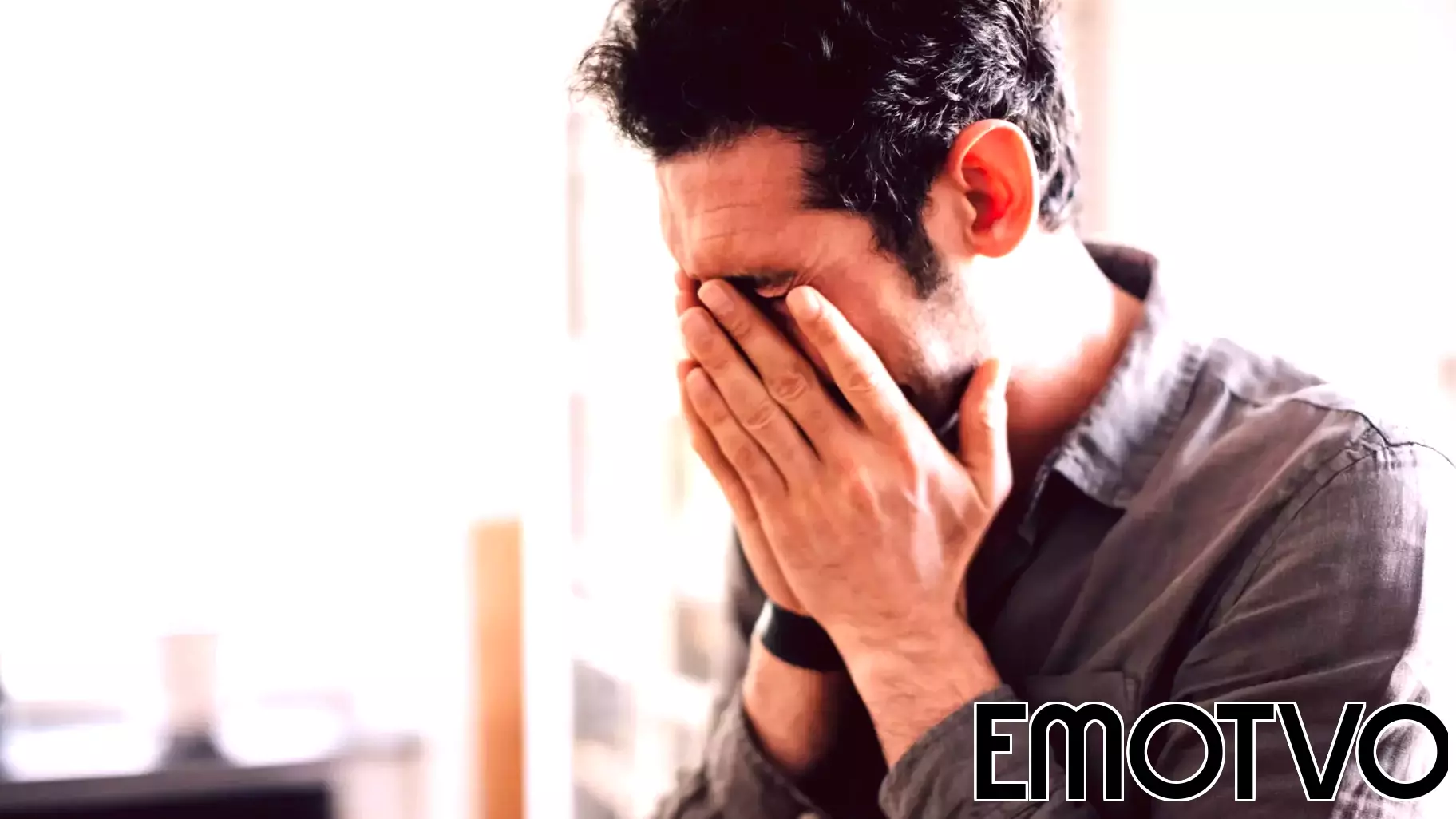
The relationship between spiritual struggle and mental health has long been a source of confusion and division among believers. Some Christians view any emotional or psychological distress as a direct result of personal sin, while others rush to explain away all moral failure as a symptom of mental illness. Neither extreme serves the truth.
Scripture clearly teaches that sin dwells within every human heart. The Apostle Paul described this internal conflict vividly, lamenting that he did not understand his own actions because the evil he did not want to do was exactly what he kept doing. This indwelling sin is a reality that cannot be denied. It produces guilt, shame, and a sickness of the soul that only repentance and grace can heal.
But this does not mean that every struggle with mood, thought, or behavior is reducible to unconfessed sin. The human mind can become genuinely ill, just as the body can. Depression, anxiety, and other conditions have biological and environmental components that require compassion and often medical treatment. To tell someone with clinical depression that they simply need to pray harder or confess more is not only unhelpful but cruel.
At the same time, we must not medicalize sin. Not every angry outburst is a chemical imbalance. Not every pattern of deceit is a disorder. The Bible holds people accountable for their actions, and modern psychology cannot erase moral responsibility. A person can be both mentally ill and morally culpable for certain choices. These categories overlap but are not identical.
The wise path acknowledges both realities. We can affirm the power of indwelling sin while also recognizing the genuine suffering of mental illness. We can offer prayer and Scripture alongside therapy and medication. We can hold people accountable for their actions without dismissing their pain. This balanced approach honors both the spiritual and the physical dimensions of the human condition, neither denying the soul's sickness nor reducing all sin to a diagnosis.
MORE NEWS

July 18, 2026 - 00:01
Psychology says people who give unsolicited advice aren’t egomaniacs, they may be looking for the ‘helper’New research is challenging the common assumption that people who offer unsolicited advice are simply arrogant or controlling. According to recent findings in social psychology, many individuals...

July 17, 2026 - 12:37
Psychology says people who use only free version of antivirus aren't careless: What this choice may revealA common assumption is that people who stick with free antivirus software are simply ignoring online safety or trying to cut corners. But psychology suggests the decision is often more deliberate...

July 16, 2026 - 20:38
Why People With Visible Disability Still Have to “Come Out”People with visible disabilities are often assumed to have no choice about disclosing their condition. The logic goes that if a wheelchair, a cane, or a facial difference is immediately obvious,...

July 16, 2026 - 05:09
2 Unsexy Habits That Make You An Irresistible Partner, By A PsychologistForget candlelit dinners and grand romantic gestures. Decades of research in social psychology suggest that the most powerful attraction boosters are actually two habits most people overlook:...