Psychology says people who prefer staying home on the Fourth of July aren't necessarily unsocial, they may
July 4, 2026 - 13:22
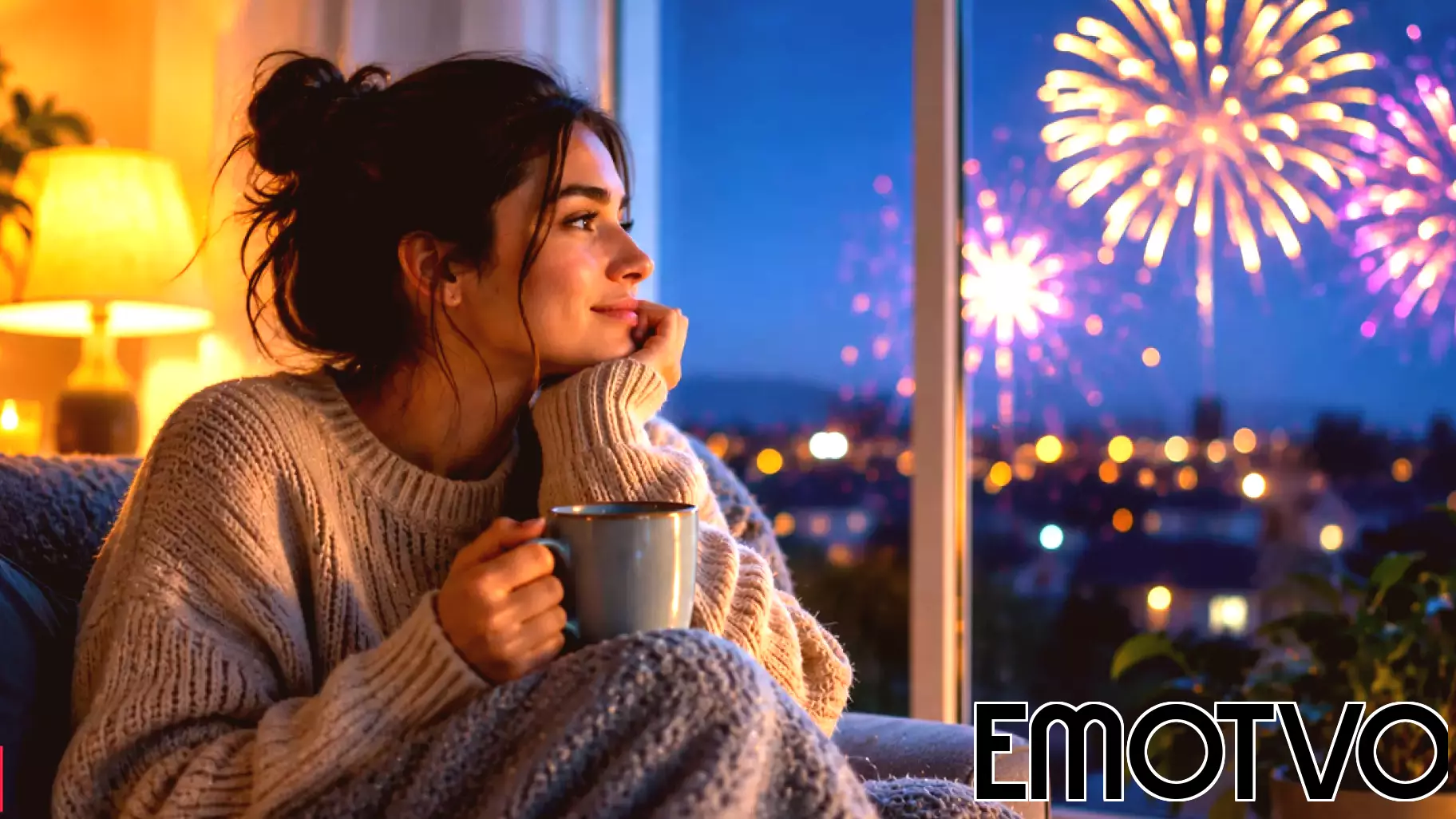
For many, the Fourth of July is synonymous with crowded parades, booming fireworks, and backyard barbecues. But a growing number of people choose to skip the festivities entirely, and psychology suggests this decision is less about being unsocial and more about how different personalities recharge.
According to psychological research, individuals who prefer staying home on holidays often exhibit traits linked to introversion or high sensitivity. For these people, large gatherings with loud noises, bright flashes, and unpredictable social demands can quickly drain their mental energy. Rather than being antisocial, they are protecting their emotional well-being by avoiding sensory overload. The preference for a quiet evening at home is a form of self-care, not a rejection of community.
Sensory preferences also play a key role. The intense stimulation of fireworks and crowds can be overwhelming for those with a lower sensory threshold. Studies on sensory processing sensitivity show that roughly 15 to 20 percent of the population is highly sensitive, meaning they process external stimuli more deeply. For them, the holiday's typical chaos feels more like an assault than a celebration.
emotional well-being is a factor. For some, the pressure to feel a specific kind of patriotic joy can create anxiety. Staying home allows them to celebrate in a way that feels authentic, whether through a quiet movie, a small meal, or simply resting. Psychology confirms that honoring one's own energy needs is a sign of emotional intelligence, not a lack of social interest.
choosing a quiet Fourth of July is a valid personal preference rooted in how individuals manage their energy, senses, and emotions. It is not a failure to connect, but a different way of connecting with oneself.
MORE NEWS
August 18, 2026 - 12:27
What Is Christian Counseling? How American Christians Split Over the Science of the MindSomewhere in America this week, a depressed Christian will sit down across from a counselor who believes that her fundamental problem is not a disorder but a sin. In another office, a different...
August 17, 2026 - 23:44
Mental health and peer support: Sometimes online communities can helpThe role of social media in mental health, especially through online peer support groups, remains a complicated and often contradictory picture. While some studies point to clear benefits, others...

August 17, 2026 - 00:46
Healing the Healer: New Insights into Moral Injury in MedicineOne of the most difficult parts of working in medicine is not the long hours or the complex procedures, but the quiet toll it takes on your own emotional health. A growing body of research is now...
August 16, 2026 - 04:56
Why Some People Lurk But Never LikeScrolling through social media, you will always find them. They are present, they see everything, and they are often the first to know about a trend or a piece of gossip. Yet, they never like a...