Psychology says Gen Z hides feelings to avoid looking needy: Why double texting, confessing love or asking
June 16, 2026 - 04:30
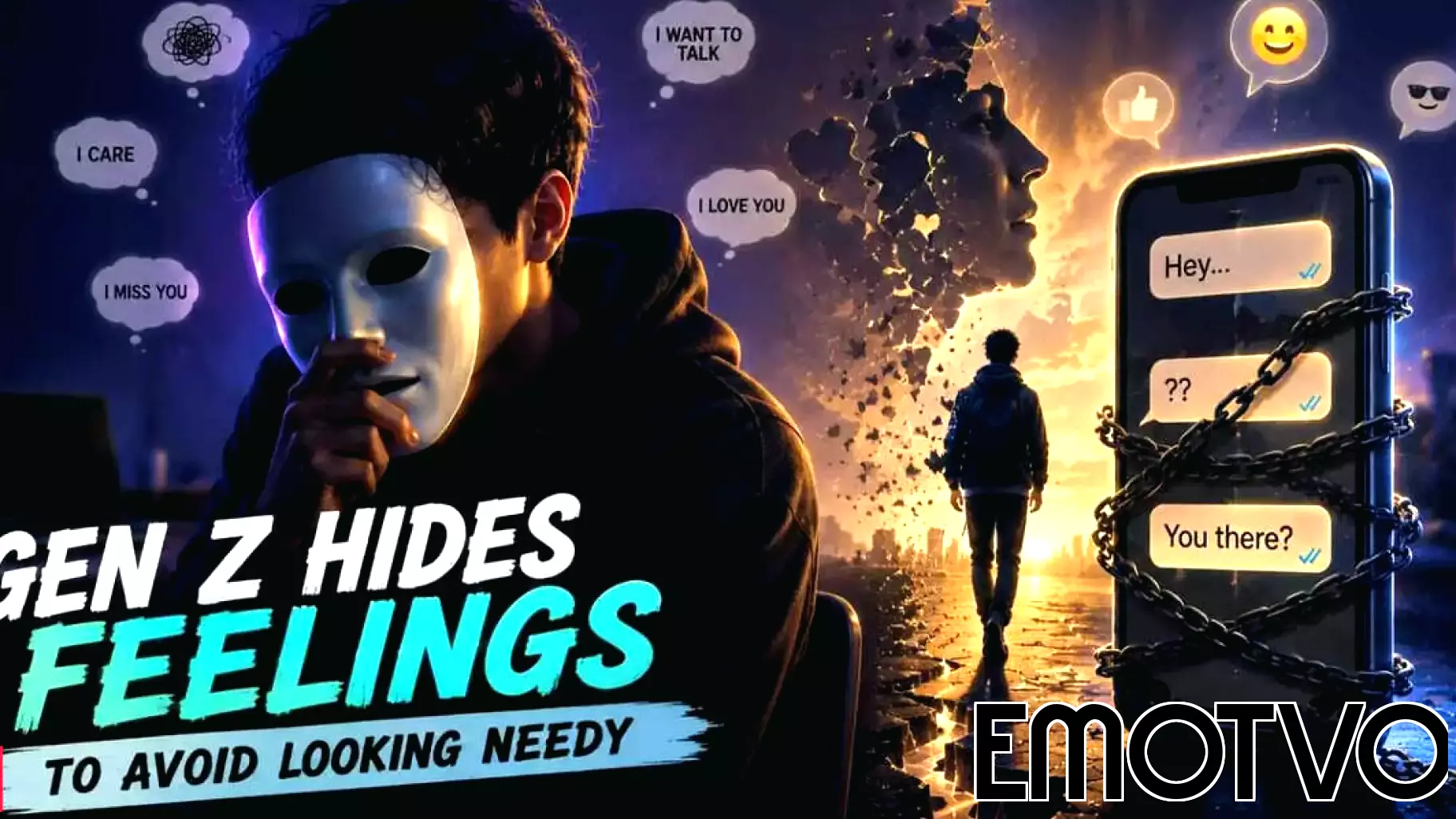
A new pattern in modern relationships is catching the attention of mental health professionals. Psychologists have identified a behavior they call self-protective detachment, particularly common among Gen Z. The idea is simple: many young people now hide their true feelings to avoid looking needy or desperate.
In today's dating landscape, emotional reserve is often seen as an advantage. People are encouraged to appear mysterious, self-sufficient, and emotionally distant rather than openly vulnerable. This shift affects everyday interactions. Double texting, confessing love early, or asking for clarity about a relationship are now seen as risky moves. The fear of being perceived as clingy outweighs the desire for honest communication.
Experts say this behavior stems from a culture that prizes independence and self-reliance. Social media and dating apps have also played a role. They create an environment where people can easily ghost or reject others without consequence. As a result, many Gen Z individuals choose to suppress their emotions rather than risk rejection.
But this strategy has a downside. Suppressing feelings can lead to loneliness, anxiety, and missed connections. Psychologists warn that while self-protective detachment may feel safe in the short term, it often prevents people from forming the deep, meaningful bonds they actually want. The challenge, they say, is learning to balance self-protection with genuine emotional openness.
MORE NEWS

July 30, 2026 - 22:13
Do You Treat Sex as Sacred?The way people think about sex is deeply personal, and what it means to one person can be completely different for another. For some, sex is a casual act of pleasure or connection. For others, it...

July 30, 2026 - 00:05
Beyond the Fight: Understanding the Psychology of Violence in Martial ArtsAt its core, martial arts training is about learning to handle physical conflict. But anyone who has spent serious time in a dojo knows that real progress goes far beyond perfecting a roundhouse...

July 29, 2026 - 04:25
Psychology says people who are not able to let go of painful memories aren’t vindictive, they may be facinNew research in psychology suggests that people who struggle to release painful memories are not simply vindictive or holding a grudge. Instead, their inability to let go may point to underlying...

July 28, 2026 - 04:09
Why Bilingual Brains Switch Languages Without AskingBilingual speakers have all experienced it: you are in the middle of a sentence in English, and suddenly a Spanish or Mandarin word pops out before you can stop it. It feels like a glitch, a moment...