Environmental Calm for the Autistic Nervous System
June 17, 2026 - 03:10
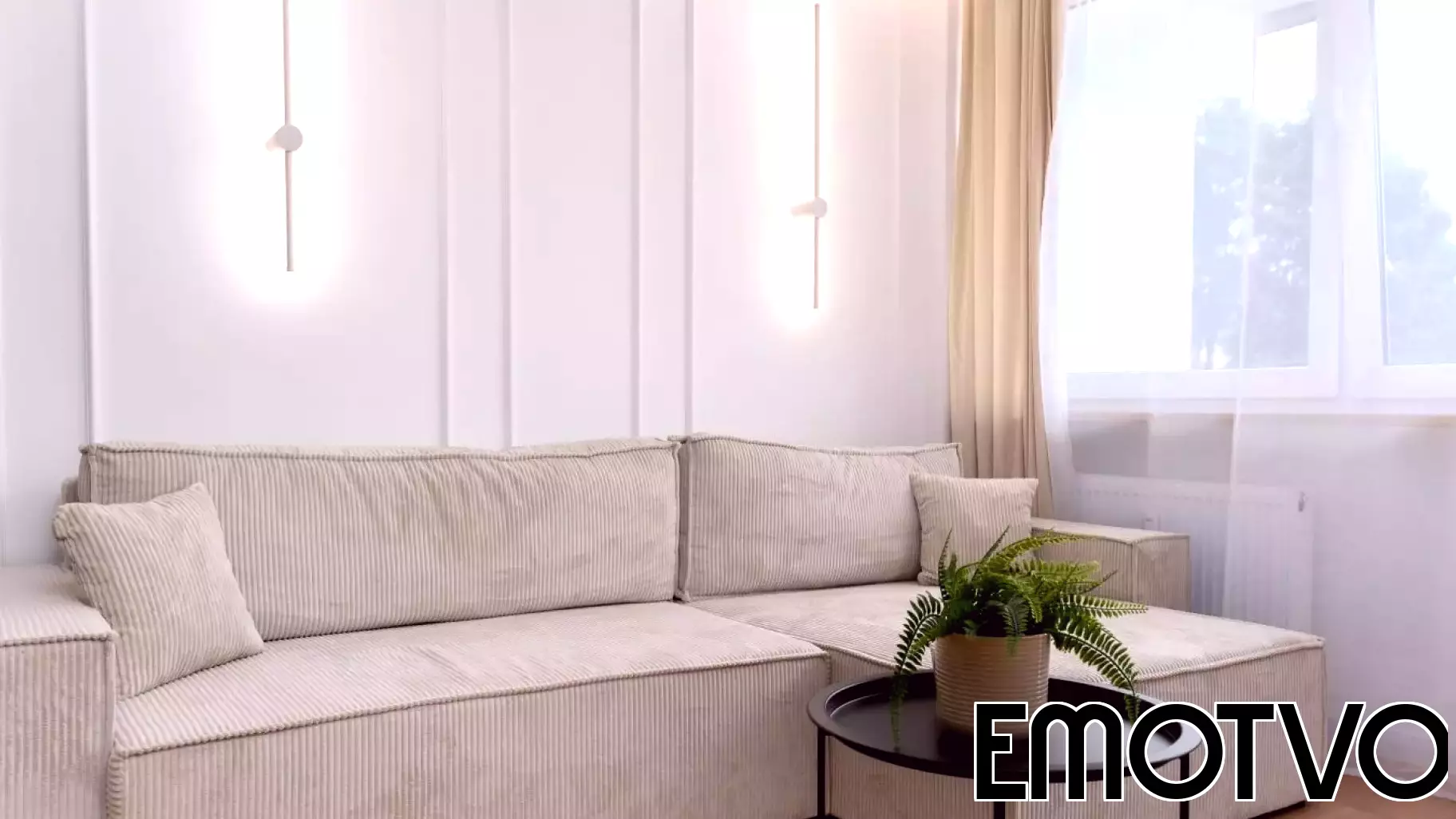
The popular wellness aesthetic, all soft grays, open shelving, and minimalist clutter, is designed to calm the average nervous system. But for many autistic adults, that same environment can trigger overload rather than peace. New sensory research is challenging the one-size-fits-all approach to calming spaces, revealing that what works for neurotypical brains often fails the autistic nervous system.
The problem lies in sensory processing differences. While a neurotypical person might find a quiet, dimly lit room with a single candle relaxing, an autistic adult may be acutely aware of the flickering flame, the hum of the refrigerator, or the texture of a wool throw. These subtle inputs, often filtered out by others, can become overwhelming stimuli. Researchers are now identifying specific environmental factors that genuinely support autistic regulation. These include predictable, non-flickering light sources like warm LED bulbs, surfaces with consistent and non-irritating textures, and a layout that allows for clear sightlines and personal boundaries.
The core difference is the goal. A standard "calm" space aims to lower arousal. An autistic-friendly space aims to reduce sensory load. This means eliminating unpredictable sounds, harsh glare, and the visual chaos of open storage. It also means providing options for deep pressure, like weighted blankets or firm seating, and allowing for controlled temperature. The emerging consensus is that true environmental calm for autistic adults is not about aesthetic trends, but about control over input. It is a space that asks nothing of the nervous system, rather than one that demands it relax on someone else's terms.
MORE NEWS

July 31, 2026 - 08:49
Huntingdon Valley resident, longtime psychology professor leaves retirement to teach at Gratz CollegeA Huntingdon Valley man who spent decades in the classroom has decided that retirement was not for him. Dr. Edward Beck, a longtime psychology professor, has returned to teaching at Gratz College...

July 30, 2026 - 22:13
Do You Treat Sex as Sacred?The way people think about sex is deeply personal, and what it means to one person can be completely different for another. For some, sex is a casual act of pleasure or connection. For others, it...

July 30, 2026 - 00:05
Beyond the Fight: Understanding the Psychology of Violence in Martial ArtsAt its core, martial arts training is about learning to handle physical conflict. But anyone who has spent serious time in a dojo knows that real progress goes far beyond perfecting a roundhouse...

July 29, 2026 - 04:25
Psychology says people who are not able to let go of painful memories aren’t vindictive, they may be facinNew research in psychology suggests that people who struggle to release painful memories are not simply vindictive or holding a grudge. Instead, their inability to let go may point to underlying...