Designing Spaces for Neurodivergent Well-Being
September 25, 2025 - 01:55
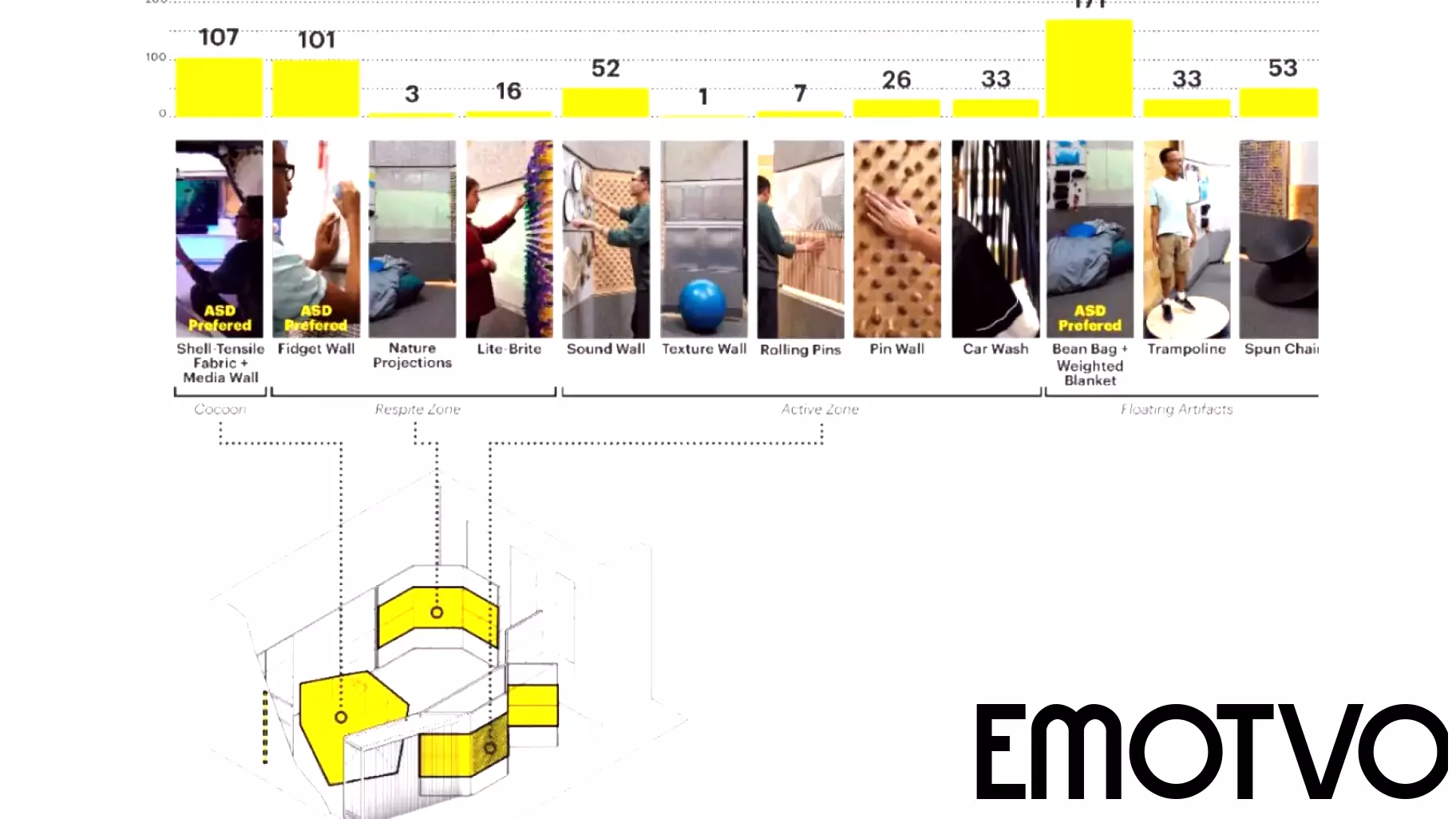
Most architectural designs cater primarily to "neurotypical" individuals, often overlooking the diverse needs of neurodivergent populations. This oversight can create environments that feel unwelcoming or even overwhelming for those with conditions such as autism, ADHD, or sensory processing disorders. By prioritizing the full spectrum of human experience in our architectural practices, we can create spaces that foster inclusivity and well-being.
Incorporating features such as sensory-friendly layouts, quiet zones, and flexible spaces can significantly enhance the quality of life for neurodivergent individuals. For instance, schools designed with varied learning environments allow students to choose spaces that best suit their sensory needs, promoting focus and engagement. Similarly, residential designs that consider sensory sensitivities can create calming home environments, reducing anxiety and enhancing comfort.
As we expand our understanding of neurodiversity, there is a growing recognition that architecture should not merely accommodate but actively support the well-being of all individuals. By embracing inclusive design principles, we can create communities where everyone feels a sense of belonging.
MORE NEWS

August 20, 2026 - 18:35
Psychologist explains what your pet’s social media account reveals about youDedicated social media accounts for pets have exploded in popularity, turning ordinary dogs, cats, and even reptiles into digital celebrities. Some of these animals now boast follower counts in the...
August 20, 2026 - 11:56
Psychologist testifies Lindsay Clancy was not criminally responsible in killing of her 3 childrenA forensic psychologist testifying for the defense stated that Lindsay Clancy was unable to understand the wrongfulness of her actions when she killed her three young children in 2023. The expert`s...

August 19, 2026 - 19:21
FO Talks: The Psychology of Geopolitics — How Authoritarianism Impacts Human BehaviorIn a recent episode of FO Talks, hosts Lucy Golish and Bahareh Sahebi take a deep look at the intersection of political structures and human psychology. The conversation centers on a question that...

August 19, 2026 - 14:40
Psychology says seniors giving up night driving is never just about the eyesight — it’s the first negotiation older people face in a long series about independence, and how a family handles this one sets the terms for all the restFor many older adults, the decision to stop driving after sunset is rarely a simple matter of failing vision. Psychologists who study aging point out that this moment is often the first major...