Dark triad personality traits carry distinct physical signatures in the brain
June 12, 2026 - 14:19
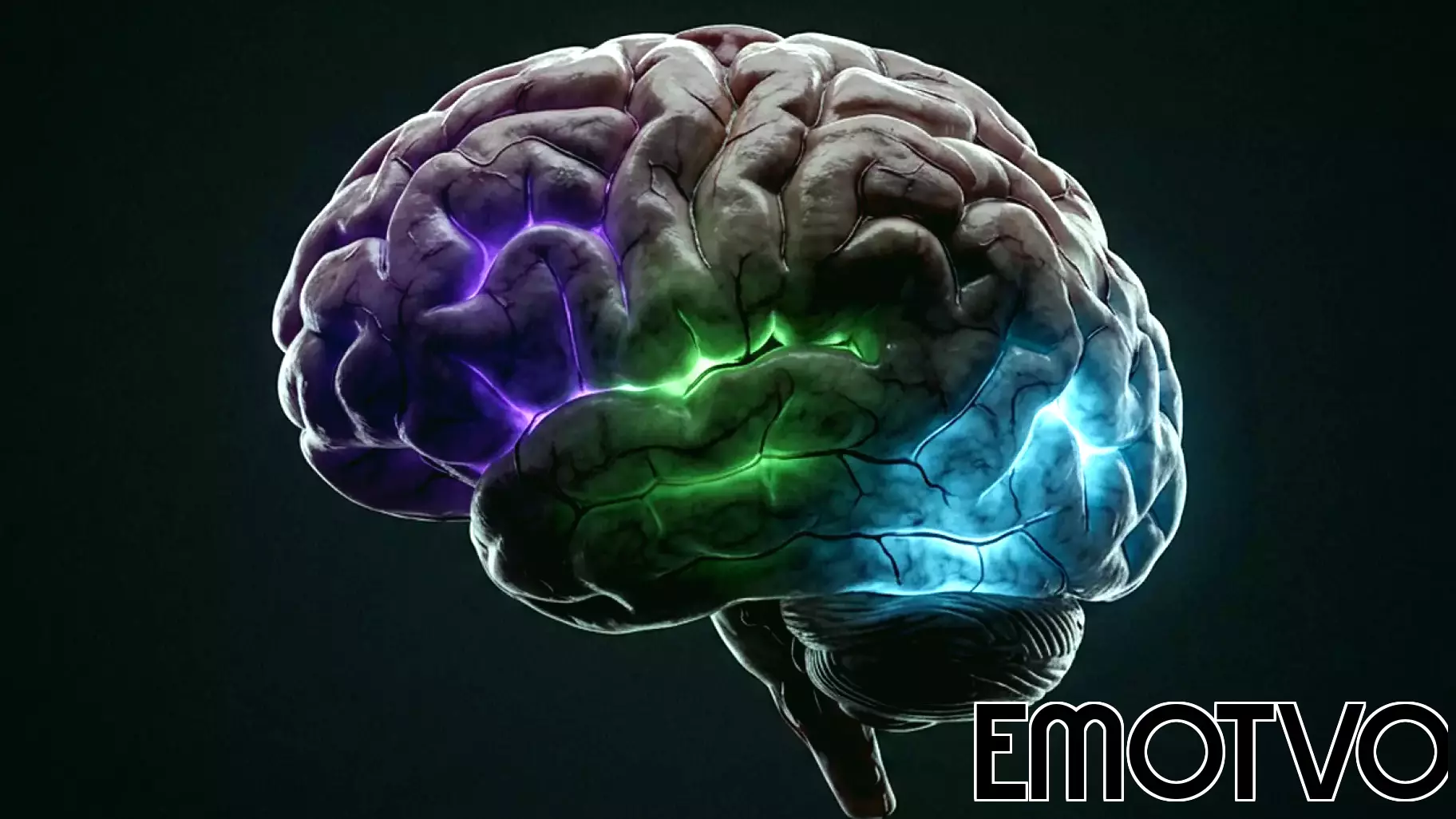
New research reveals that people with dark triad personality traits such as narcissism, psychopathy, and Machiavellianism show clear physical differences in brain anatomy. Scientists found that these abrasive traits share some common neural signatures but also leave unique structural marks in regions tied to empathy and social behavior.
The study examined brain scans from a large sample of adults and mapped cortical thickness and volume against measures of dark triad traits. Results showed that individuals high in psychopathy tended to have reduced gray matter in areas linked to emotional processing and impulse control. Narcissism, on the other hand, correlated with thicker cortex in regions associated with self-awareness and reward seeking. Machiavellianism showed its own pattern, with subtle differences in frontal lobe structures involved in strategic thinking and manipulation.
These anatomical variations suggest that dark triad personalities are not just behavioral labels but have real, identifiable signatures in the physical brain. The findings add to a growing body of evidence that personality traits, even socially undesirable ones, are rooted in neurobiology. Researchers caution that the study shows correlation, not causation, and that environment and genetics both play roles. Still, the work opens a window into understanding how empathy deficits and callous behavior may be linked to specific brain structures.
MORE NEWS

July 27, 2026 - 02:50
The Strongest Sign That You’re in the Right RelationshipA growing body of relationship research suggests that the strongest indicator of a healthy partnership is not how often you laugh together or whether you share the same hobbies. It is something...

July 25, 2026 - 20:10
Exploring Infidelity: Five Films That Reveal the Complexity of BetrayalInfidelity isn`t just one story; it unfolds in various ways, driven by different motivations and circumstances. Five films delve into the intricate nature of betrayal, showcasing how it can emerge...

July 24, 2026 - 11:56
When Is Calling Out Bias Actually Effective?Calling out bias has become a central tool in allyship, but its effectiveness depends heavily on timing and delivery. A well-placed intervention can shift perspectives and reinforce norms. A poorly...
July 23, 2026 - 18:27
Can AI Help Us Learn to Like Each Other?A new experiment suggests that artificial intelligence might do more than just answer questions or generate text. It could help people understand each other better. Researchers built a chatbot...