Are We Heading for an Algorithmic Reset of Our Ambitions?
June 13, 2026 - 04:44
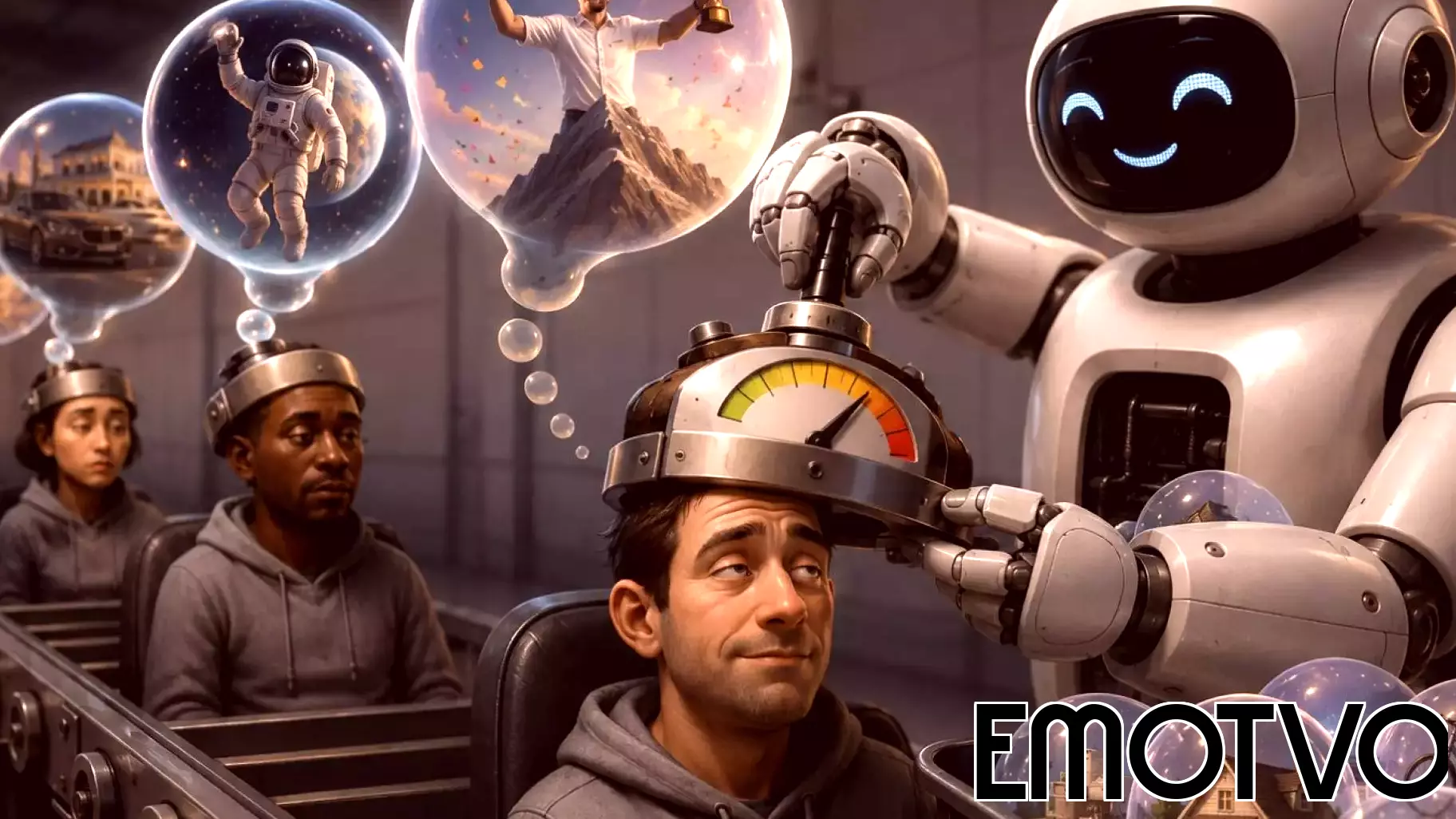
As artificial intelligence systems grow more efficient at smoothing out every obstacle in our daily lives, a quiet concern is emerging among technologists and psychologists: are we losing the very friction that makes human striving meaningful? The relentless pursuit of AI-driven optimization is systematically removing resistance from our workflows, decisions, and even our personal growth. But this elimination of struggle may come with a hidden cost.
The concept of "algorithmic aspiration adjustment" describes how recommendation engines, predictive tools, and automated systems subtly reshape what we consider possible or worthwhile. When a navigation app always chooses the fastest route, we never discover the scenic detour. When a streaming platform serves only content that matches our existing preferences, we stop exploring the unfamiliar. When a career platform suggests jobs based on our past roles, we may never consider a radical pivot.
Psychologists have long known that a certain amount of friction is essential for what they call "flow" -- the state of deep engagement where challenge meets skill. Without resistance, there is no growth. Without obstacles, there is no sense of accomplishment. The problem is not AI itself, but the scale at which it now eliminates resistance. A single app removing one inconvenience is harmless. But when thousands of systems collectively smooth every edge of our existence, we risk living in a world where our aspirations are not our own, but are instead the average of what algorithms predict we will accept.
The key is awareness. We need to recognize that not all friction is bad. Some struggle is the raw material of resilience. Some inefficiency is the space where creativity breathes. As we design and adopt these tools, we must ask not just "how can we make this faster?" but also "what are we losing by making it too easy?" The future of human flourishing may depend on intentionally preserving a little bit of resistance.
MORE NEWS

July 28, 2026 - 04:09
Why Bilingual Brains Switch Languages Without AskingBilingual speakers have all experienced it: you are in the middle of a sentence in English, and suddenly a Spanish or Mandarin word pops out before you can stop it. It feels like a glitch, a moment...

July 27, 2026 - 02:50
The Strongest Sign That You’re in the Right RelationshipA growing body of relationship research suggests that the strongest indicator of a healthy partnership is not how often you laugh together or whether you share the same hobbies. It is something...

July 25, 2026 - 20:10
Exploring Infidelity: Five Films That Reveal the Complexity of BetrayalInfidelity isn`t just one story; it unfolds in various ways, driven by different motivations and circumstances. Five films delve into the intricate nature of betrayal, showcasing how it can emerge...

July 24, 2026 - 11:56
When Is Calling Out Bias Actually Effective?Calling out bias has become a central tool in allyship, but its effectiveness depends heavily on timing and delivery. A well-placed intervention can shift perspectives and reinforce norms. A poorly...