Why Mental Health Should Be a Public Health Priority
2 August 2026
Let’s be real for a second—how often do we really talk about mental health like we talk about physical health? Think about it. If someone talks about having the flu, people offer soup and tissues. But if that same person says they're dealing with anxiety or depression? It gets quiet. Uncomfortable. Maybe even awkward. That, right there, is part of the problem.
Mental health isn’t just a personal matter; it’s a public health issue that affects all of us. We're talking about something that impacts communities, workplaces, families, healthcare systems, and even the economy. So why isn’t it treated with the same urgency as other public health concerns like heart disease or obesity?
In this post, we’re going to deep-dive into why mental health needs to be front and center on the public health stage and why putting it on the back burner is doing more harm than we think.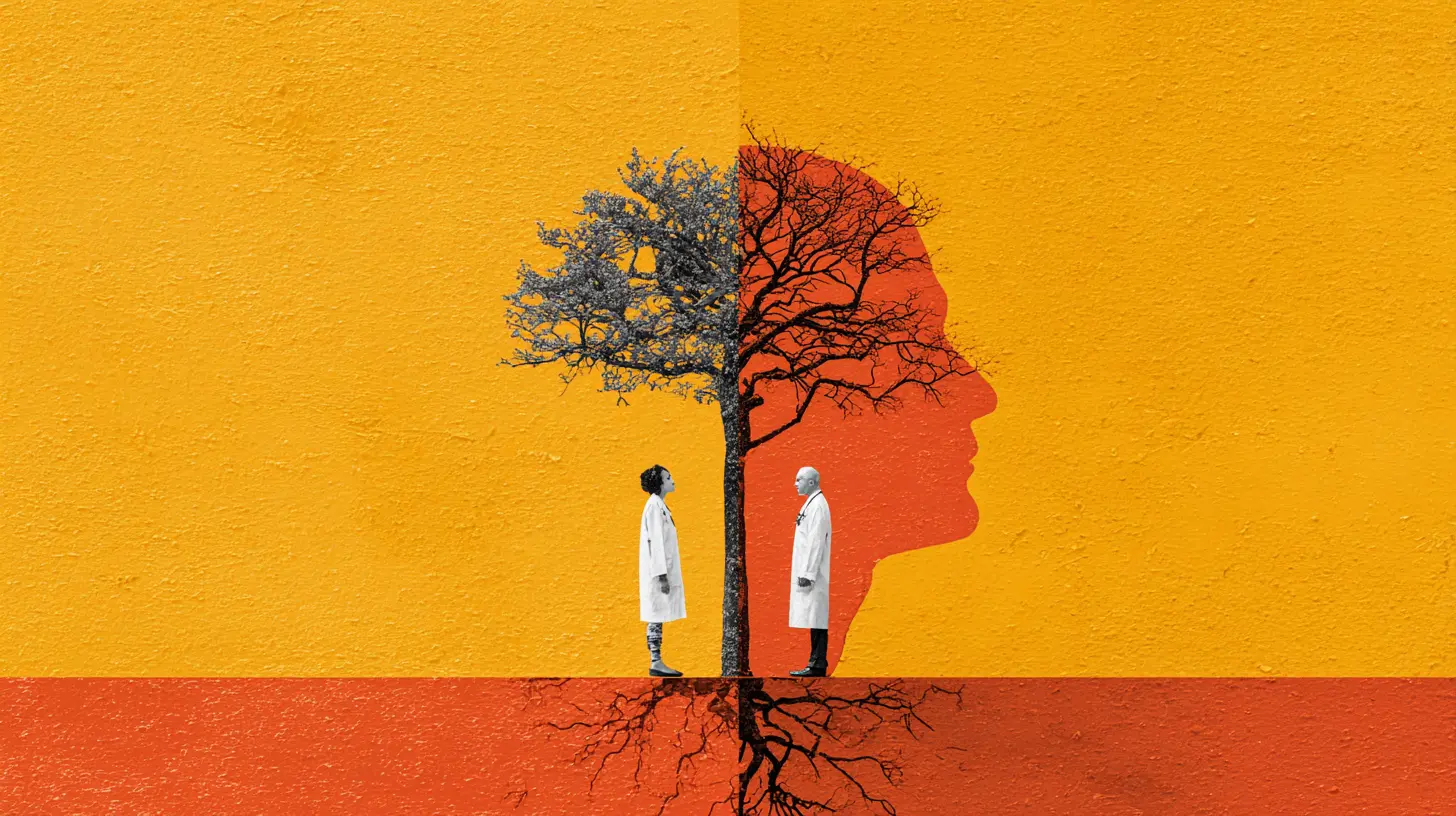
Mental Health: More Than Just a Personal Struggle
Mental health isn’t only about a few individuals having a tough day or dealing with trauma—it's about how whole populations think, feel, and function. When millions of people are suffering silently, that's not just a personal burden; that’s a societal issue. Picture this: you're on a team, and half the members are injured. How well do you think you'll play? Not great, right?The same goes for society. When a significant portion of the population is struggling mentally, it ripples through every layer of life—schools, businesses, homes, you name it.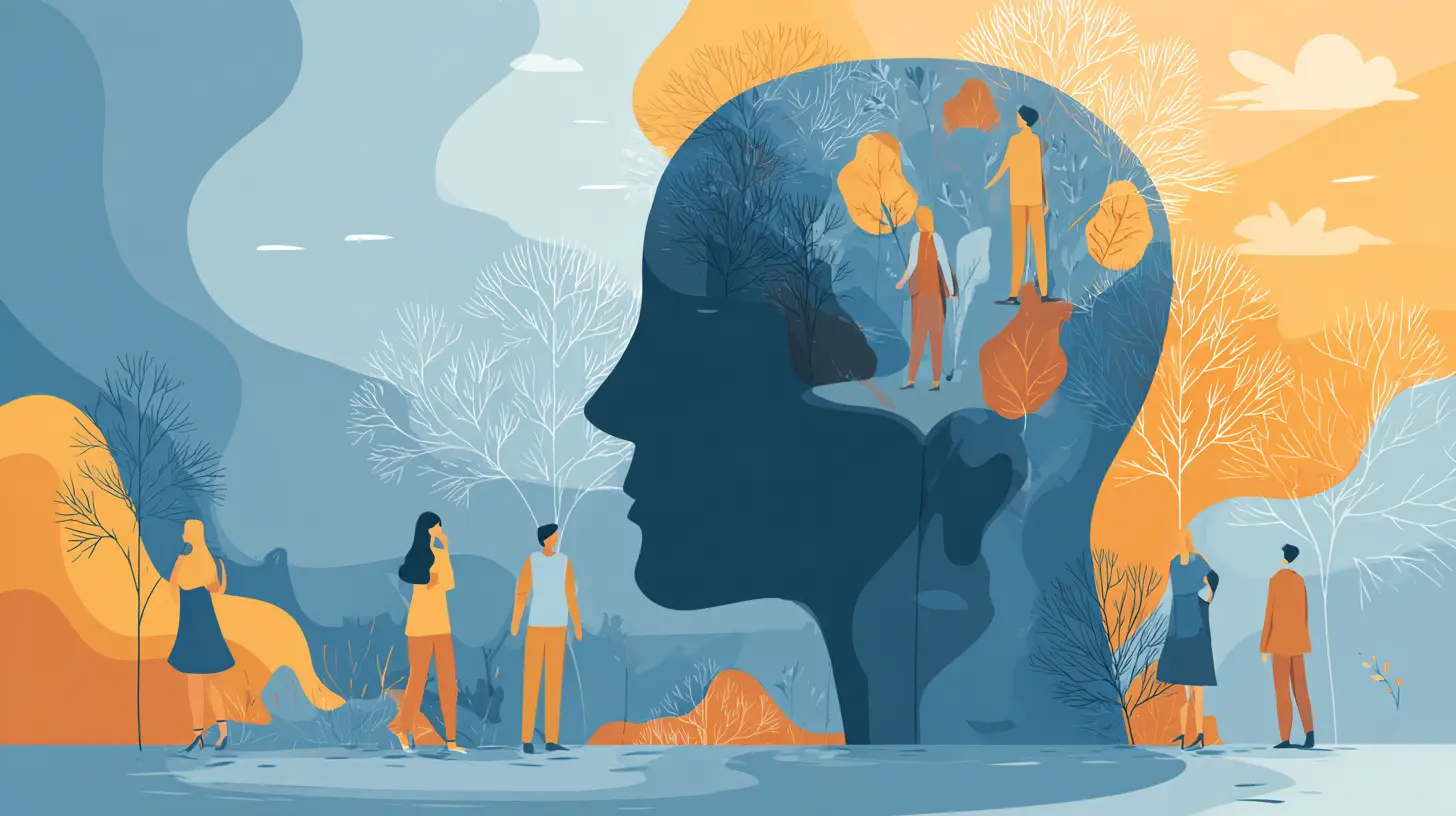
The Hidden Epidemic: Mental Health by the Numbers
Here’s the kicker: According to the World Health Organization (WHO), around 1 in 8 people live with a mental health disorder. That’s millions of people worldwide. Conditions like depression, anxiety, PTSD, and bipolar disorder are more common than you might think.Let’s break this down further:
- Depression is the leading cause of disability worldwide.
- Anxiety disorders affect over 284 million people globally.
- Close to 800,000 people die by suicide every year—that’s one every 40 seconds.
Now ask yourself—if any other health issue affected this many people, wouldn’t there be a global emergency response?
The Domino Effect: How Mental Health Impacts Society
Mental health doesn’t exist in a vacuum. When it’s ignored, every other system suffers. Think of it like a row of dominos—tip one, and the rest fall.Impact on Families
Families often bear the brunt of untreated mental health problems. It could mean a parent who’s too depressed to care for their children, or a loved one with undiagnosed PTSD who lashes out in anger. The emotional toll can be overwhelming, and kids growing up in unstable environments can carry trauma into adulthood.Impact on Workplaces
Let’s talk dollars and cents for a second. In the U.S. alone, depression costs the economy over $210 billion a year in lost productivity, absenteeism, and healthcare costs. Stressed-out, burned-out employees don't do their best work. It’s like trying to drive a car with the parking brake on.Impact on Healthcare Systems
When mental health isn't addressed early, people often end up in emergency rooms during a crisis. These visits are expensive and reactive instead of proactive. It’s like waiting until your car engine blows up instead of getting an oil change.
The Stigma Problem: Why We’re Still Not Talking About It Enough
Let’s be honest: even in 2024, stigma is still hanging around like an uninvited guest at a party.People feel ashamed to talk about mental health. Some fear being judged, while others worry it might affect their job or relationships. This stigma stops people from reaching out before things get worse. And that silence? It’s deadly.
If someone breaks their arm, they go to the ER. No hesitation. Now imagine if they hid the break for fear of being "weak". Sounds crazy, right? That’s exactly what happens with mental health issues every day.
Making Mental Health a Public Health Priority: Here’s Why It Matters
Alright, so we’ve talked about the problem—now let’s talk solutions. Making mental health a public health priority isn’t just the right thing to do—it’s the smart thing to do. Here's why.1. Prevention > Cure
Public health is all about prevention, and mental health should be no exception. Think vaccinations, clean water, anti-smoking campaigns—they’ve saved millions of lives. Imagine if we applied the same mindset to mental health: early screening in schools, stress-reduction training in workplaces, accessible therapy programs. The payoff would be massive.2. Stronger Communities
Mentally healthy individuals build stronger families, neighborhoods, and societies. They’re better equipped to contribute positively, raise healthy kids, and help others. It’s a ripple effect—the kind you actually want.3. Better Physical Health Outcomes
Here’s something people forget: mental and physical health are deeply connected. Chronic stress can lead to heart disease, high blood pressure, and a weakened immune system. Depression can increase the risk of diabetes. Treat the mind, and the body follows.4. Economic Benefits
We’ve touched on this, but it’s worth repeating: investing in mental health makes economic sense. When people are mentally healthier, they’re more productive, miss fewer days of work, and need fewer emergency services. Every dollar spent on mental health treatment returns $4 in improved health and productivity.Mental Health Gets Left Out Too Often
Unfortunately, mental health often plays the third wheel in healthcare conversations. It doesn’t get as much funding. It doesn’t get as much political attention. And it sure doesn’t get the same level of public awareness. Why? Because it's invisible.But just because you can't see something doesn’t mean it isn’t real—or destructive. Think of carbon monoxide. You can’t see or smell it, but it can be deadly. That’s what untreated mental illness feels like for many—a silent killer.
What Can Be Done? Steps Toward Change
So what do we do about it? How do we shift the conversation?1. Normalize Conversations
Talk about mental health with your family, friends, coworkers—anyone who will listen. Open dialogue chips away at stigma and helps people feel less alone.2. Education is Everything
We need more mental health education in schools, workplaces, and communities. Not just the “what is depression” kind, but the practical kind—how to spot warning signs, how to help someone, how to cope yourself.3. Increase Access to Care
Therapy shouldn't be a luxury. Everyone deserves access to mental health support, regardless of their income or background. That means funding more mental health providers, creating community-based programs, and utilizing telehealth services.4. Policy Change
We need lawmakers to treat mental health with urgency. That means insurance coverage for mental health services, workplace protections, and nationwide public health campaigns.Why This Matters to You (Yes, You!)
Maybe you're thinking, “This is important, but does it really affect me?”Here's the truth: mental health isn’t just something "other people" deal with. It could be your neighbor. Your coworker. Your partner. You.
Taking mental health seriously helps everyone thrive—not just those dealing with mental illnesses. When we prioritize mental health, we’re not just saving lives—we’re building a more compassionate, productive, and balanced society.
Final Thoughts: Let's Change the Narrative
Mental health is health. Period. It’s not a separate issue. It’s not a luxury concern. It’s not a personal failing. It’s part of the big picture, and it deserves to be treated that way.For too long, we’ve kept mental health in the shadows. But the numbers, the stories, and the science all point to one undeniable truth: we can’t ignore this anymore. We have the tools, the knowledge, and the people. All that’s missing is the will.
So let’s be the change. Start the conversation. Speak up. Support policy. Prioritize your mental health and encourage others to do the same.
Mental health isn’t just a personal journey—it’s a public responsibility.
all images in this post were generated using AI tools
Category:
Mental Health AdvocacyAuthor:

Gloria McVicar