Understanding Emotional Burnout: Signs You Shouldn't Ignore
19 August 2026
Emotional burnout is not a bad week. It is not a case of the Monday blues that fades by Wednesday. It is a state of profound depletion that seeps into how you think, how you feel, and how you function. It is what happens when you have given too much for too long without refueling, and your nervous system finally starts to wave a white flag.
The term gets thrown around loosely these days. People say they are burned out after a busy month at work or a stretch of hectic parenting. But true emotional burnout is different. It is chronic. It is systemic. And it does not resolve with a single weekend of rest. If you are reading this because you suspect you might be there, the first thing to know is that you are not weak. You are not failing. You are running on empty, and that is a physiological and psychological reality, not a character flaw.

What Emotional Burnout Actually Is
Emotional burnout is a state of physical, emotional, and mental exhaustion caused by prolonged and excessive stress. It happens when you feel overwhelmed, emotionally drained, and unable to meet constant demands. As the stress continues, you begin to lose interest and motivation that initially led you to take on a role in the first place.Psychologists often distinguish burnout from general stress. Stress involves too much pressure, which demands too much of you physically and psychologically. Burnout is about not enough. Not enough energy, not enough hope, not enough capacity to care. Stress is like being drowning in a river. Burnout is like being washed ashore, unable to move.
The most widely cited framework comes from the work of Herbert Freudenberger, who coined the term in the 1970s, and later Christina Maslach, who developed the Maslach Burnout Inventory. Maslach identified three core dimensions:
- Exhaustion: feeling emotionally overextended and depleted of energy.
- Cynicism or depersonalization: developing a detached, negative, or callous response to various aspects of your job or life.
- Reduced personal accomplishment: feeling ineffective, incompetent, and unable to achieve your goals.
But you do not need to be a psychologist to recognize the pattern. You just need to be honest with yourself about how you feel on a Tuesday morning.
The Early Signs That Slip Under the Radar
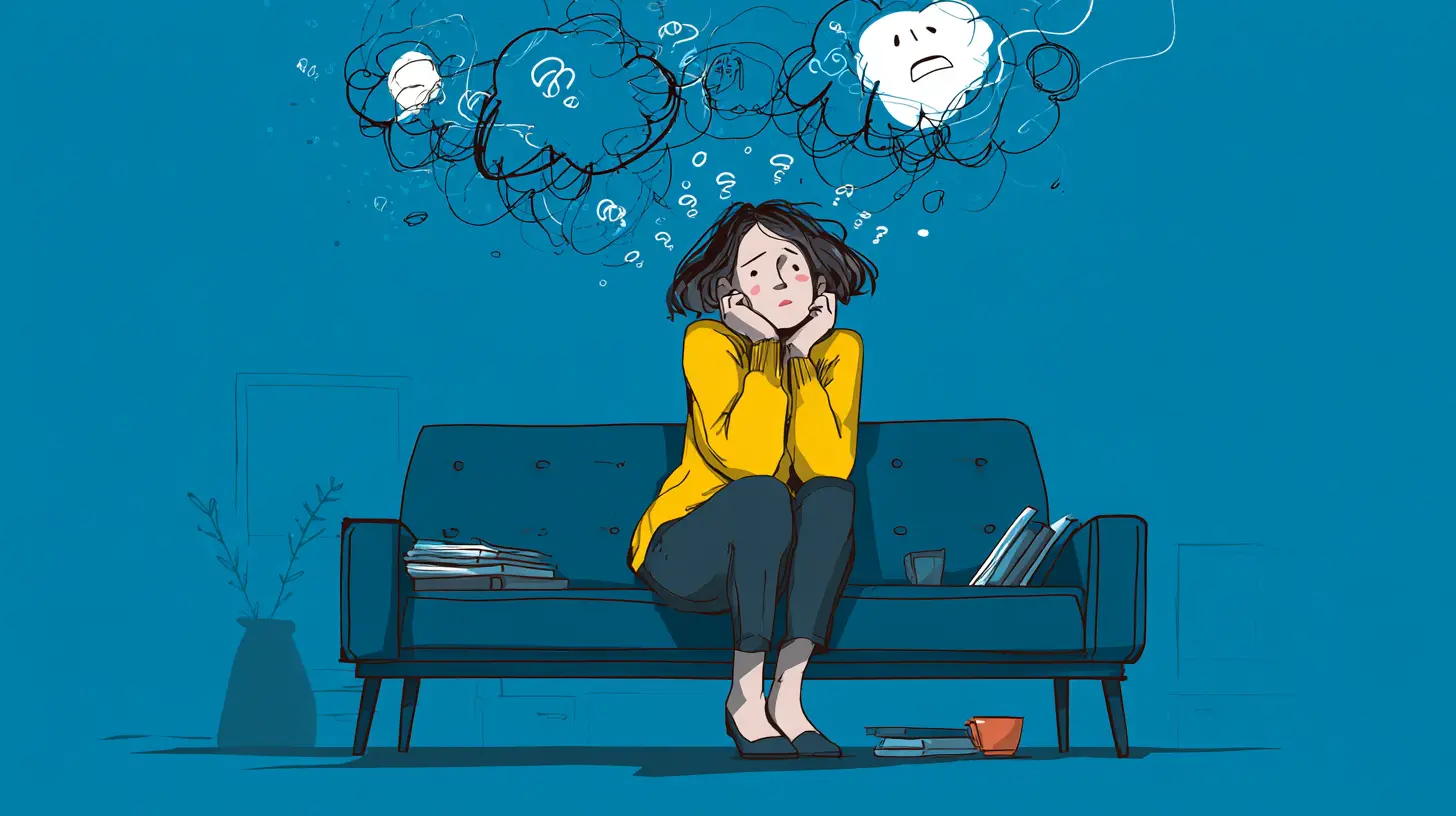
Burnout rarely hits overnight. It builds slowly, like sediment at the bottom of a river, invisible until the water turns completely brown. The early signs are subtle, and most people dismiss them as temporary moodiness or fatigue.You Stop Caring About Things You Used to Love
The first red flag is often a quiet shift in interest. A hobby you once enjoyed feels like a chore. Social plans feel like obligations rather than pleasures. You might find yourself scrolling through your phone at a party, not because you are bored, but because you have no energy to engage. This emotional flattening is a defense mechanism. Your brain is trying to conserve energy by switching off the things that require emotional output.You Are Irritable Over Small Things
When you are running on fumes, your patience threshold drops dramatically. The person who chews too loudly, the email that is slightly unclear, the traffic light that turns red at the worst moment. These small annoyances suddenly feel like personal attacks. This is not because you have become a bad person. It is because your central nervous system is already in a state of high alert, and every additional demand feels like a threat.You Feel Tired Even After Rest
This is a key distinction between ordinary tiredness and burnout. If you sleep eight hours and still wake up feeling like you have not slept at all, that is a signal. Burnout disrupts the quality of your sleep, even if you are getting enough hours. Your mind stays in a low-level state of arousal, processing unresolved stressors, and your body never fully enters the restorative phases of deep sleep.You Procrastinate More Than Usual
Procrastination is often mistaken for laziness, but it is frequently a sign of overwhelm. When you are burned out, tasks feel heavier than they actually are. The mental effort required to start something seems insurmountable, so you put it off, which then creates more stress, which makes you feel worse. This cycle is classic burnout behavior.
The Physical Symptoms That Are Easy to Misread
Emotional burnout does not stay in your head. It moves into your body, and this is where many people get confused. They go to the doctor with headaches, stomach issues, or chest tightness, and they are told that nothing is physically wrong. That does not mean it is all in your head. It means the stress is being expressed through your body.Common physical signs include:
- Frequent headaches or migraines
- Muscle tension, especially in the neck, shoulders, and jaw
- Digestive problems like bloating, nausea, or changes in appetite
- Recurring colds or infections because your immune system is compromised
- Dizziness or a feeling of being lightheaded
These symptoms are not random. Chronic stress elevates cortisol and adrenaline, which over time wear down your immune system, disrupt your gut microbiome, and keep your muscles in a state of constant contraction. The body is not designed to run on high alert forever. When it does, it starts to break down.

The Behavioral Changes That Signal Trouble
If you are not paying attention to your inner state, look at your behavior. Burnout changes what you do, not just how you feel.You Isolate Yourself
You decline invitations more often. You let calls go to voicemail. You find reasons not to see people. This is partly because you have no energy for social interaction, but it is also because you feel ashamed. You do not want people to see how depleted you are. You might think that if you admit you are struggling, you will look weak or incompetent.You Rely on Short-Term Coping Mechanisms
This might mean extra coffee, alcohol in the evening, comfort food, or zoning out in front of a screen for hours. These are not bad in moderation, but when they become your primary way of managing your day, they are a red flag. You are not using them to enhance your life. You are using them to numb it.You Become Hyper-Efficient in the Wrong Ways
Some people respond to burnout by doing more, not less. They throw themselves into work, checking off tasks at a frantic pace, because stopping would mean facing how empty they feel. This is sometimes called "functional burnout." You are still performing, but you feel nothing. You are going through the motions on autopilot.Why You Should Not Ignore These Signs
There is a cultural tendency to romanticize busyness. We wear exhaustion like a badge of honor. We say things like "I will sleep when I am dead." But ignoring emotional burnout has serious consequences, and they extend far beyond feeling tired.Long-Term Health Risks
Chronic burnout is linked to cardiovascular problems, weakened immune function, and metabolic issues. The constant flood of stress hormones puts strain on your heart and blood vessels. Over time, this increases the risk of hypertension and heart disease. It is not an exaggeration to say that burnout can take years off your life if left untreated.Cognitive Decline
Burnout affects your memory, your attention span, and your ability to make decisions. You might find yourself forgetting appointments, losing your train of thought mid-sentence, or struggling to focus on a single task. This is not just distracting. It is a sign that your brain is exhausted and cannot process information efficiently.Relationship Damage
When you are burned out, you have less to give to the people who matter. You might snap at your partner, ignore your children, or withdraw from friends. The people closest to you feel the ripple effects, and over time, this can erode trust and intimacy. Burnout does not just hurt you. It hurts everyone who relies on you.Depression and Anxiety
Burnout and depression are not the same thing, but they are closely linked. Untreated burnout can evolve into clinical depression, characterized by persistent sadness, hopelessness, and loss of interest in almost everything. It can also trigger or worsen anxiety disorders, because your nervous system is already in a state of hypervigilance.
The Difference Between Burnout and Depression
This is a distinction that matters, because the approaches are different. Burnout is primarily situational. It is tied to specific stressors, like a demanding job or caregiving responsibilities. When you remove those stressors, the symptoms tend to improve.Depression, on the other hand, is a clinical condition that can occur regardless of your circumstances. You can be depressed while having a good job, a loving family, and no obvious stressors. The feelings of worthlessness and hopelessness in depression are often more pervasive and less tied to external factors.
That said, the two conditions overlap significantly. Many people with burnout meet the criteria for depression. If you are unsure which one you are dealing with, pay attention to how you feel on vacation. If you feel significantly better after a week away from work, it is more likely burnout. If you feel the same regardless of your environment, it could be depression, and you should consider speaking with a mental health professional.
The Role of Personality and Environment
Not everyone experiences burnout the same way. Some people are more vulnerable due to their personality traits or their circumstances.Perfectionism and High Achievers
If you are a perfectionist, you are at higher risk. You set impossibly high standards for yourself, and you never feel like you are doing enough. You might view rest as a failure and push yourself past reasonable limits. The irony is that perfectionism often leads to lower productivity in the long run, because you are too exhausted to perform well.Caregivers and Helping Professionals
Nurses, teachers, social workers, therapists, and family caregivers are particularly susceptible. These roles require constant emotional labor. You are giving empathy and support all day, and if you do not have a way to replenish that emotional energy, you will eventually run dry. This is sometimes called compassion fatigue, and it is a form of burnout.High-Control Environments
If you work in an environment where you have little control over your schedule, your tasks, or your decision-making, you are more likely to burn out. The feeling of being trapped in a system that demands more than it gives is a major contributor. This is why burnout is so common in healthcare, education, and corporate environments with rigid hierarchies.
What Actually Works for Recovery
Recovery from burnout is not a one-size-fits-all process. It requires a combination of immediate relief and long-term changes. The following strategies are not quick fixes, but they are the ones that have been shown to work.Reduce the Load, Not Just the Stress
The most common mistake people make is trying to manage burnout by adding more self-care activities. They start meditating, doing yoga, and taking baths. These are wonderful tools, but they will not help if you are still working sixty hours a week in a toxic environment. You have to reduce the actual demands on your time and energy.This might mean saying no to projects, delegating tasks, setting boundaries with your boss, or even changing jobs. It is hard. It might feel selfish. But you cannot meditate your way out of an unsustainable situation.
Rebuild Your Sleep Foundation
Sleep is not a luxury. It is the time when your brain clears out toxins, consolidates memories, and repairs your body. If you are burned out, your sleep is likely disrupted. Focus on sleep hygiene: go to bed at the same time every night, avoid screens an hour before bed, keep your room cool and dark, and avoid caffeine after noon.If you are waking up multiple times a night, consider whether it is anxiety-driven. If so, try a "brain dump" before bed. Write down everything that is worrying you, along with a small action step for each item. This can help your brain feel like it has a plan, which reduces nighttime rumination.
Reconnect with Your Body
Burnout is often a state of being disconnected from your body. You push through fatigue, ignore hunger cues, and override pain. Recovery requires reconnecting with physical sensations. This does not have to be intense exercise. Gentle movement like walking, stretching, or swimming can be more beneficial than high-intensity workouts, which can add more stress to an already taxed system.Pay attention to what your body is telling you. If you are hungry, eat. If you are tired, rest. If you are tense, breathe. This sounds simple, but for someone who has been ignoring their body for months, it takes practice.
Seek Social Support, Not Social Obligation
Burnout makes you want to isolate, but isolation makes it worse. The key is to seek connection that is supportive, not demanding. This might be a close friend who listens without judgment, a partner who takes over some responsibilities, or a support group for people in similar situations.Be careful about the type of support you seek. Venting can be helpful, but only up to a point. If you spend all your time talking about how exhausted you are, you might reinforce the feeling. Look for people who can help you problem-solve, but also people who can distract you with normal conversation and humor.
Consider Professional Help
If you have been struggling for months and nothing you do on your own seems to help, it is time to see a therapist. Cognitive-behavioral therapy (CBT) has been shown to be effective for burnout. It helps you identify the thought patterns that contribute to your exhaustion, such as "I have to do everything perfectly" or "If I stop, everything will fall apart."A therapist can also help you set boundaries and develop a realistic plan for changing your situation. This is not a sign of weakness. It is a sign that you are taking your health seriously.
The Recovery Timeline: What to Expect
Recovery from burnout is not linear. You will have good days and bad days. Some people feel significantly better within a few weeks of reducing their workload and improving their sleep. Others need several months, especially if they have been burned out for years.The key is to not rush it. If you try to jump back into your old schedule too quickly, you will likely relapse. Think of recovery like healing a broken bone. You would not run a marathon a week after the cast comes off. You would gradually rebuild your strength over time.
Be patient with yourself. The fact that you are reading this article is a sign that you are ready to take action. That is a good first step.
Common Misconceptions About Burnout
There are several myths about burnout that prevent people from seeking help or recovering fully.Myth: Burnout Only Happens at Work
While work is a common trigger, burnout can come from any area of life. Parenting a child with special needs, caring for an aging parent, managing a chronic illness, or navigating a difficult divorce can all cause burnout. The common thread is chronic emotional demand without adequate support.Myth: Burnout Is a Sign of Weakness
This is completely false. Burnout is a normal response to abnormal circumstances. Anyone can burn out if they are pushed hard enough for long enough. It is not about toughness or resilience. It is about capacity. You have a finite amount of physical and emotional energy, and when it runs out, it runs out.Myth: Taking a Vacation Will Cure Burnout
A vacation can provide temporary relief, but it will not fix the underlying issues. If you return to the same job, the same responsibilities, and the same patterns, you will burn out again quickly. The real cure involves changing how you live and work on a daily basis.Myth: You Should Just Push Through It
Pushing through burnout is like driving a car with the gas light on and hoping you make it to the next station. You might make it a little further, but eventually you will run out of fuel. Pushing through often leads to complete collapse, which takes much longer to recover from than if you had stopped earlier.Preventing Future Burnout
Once you have experienced burnout, you are more aware of the signs. You know what your early warning signals look like. Use that knowledge to prevent a relapse.Set Boundaries Early and Often
Boundaries are not walls. They are gates that you control. You decide who gets your time and energy, and under what conditions. This means saying no to extra projects, limiting your availability outside work hours, and protecting your personal time. It feels uncomfortable at first, especially if you are used to being agreeable, but it gets easier with practice.Build Recovery Time Into Your Schedule
Do not wait for a vacation to rest. Build small pockets of recovery into your daily routine. This could be a ten-minute walk after lunch, a fifteen-minute nap in the afternoon, or thirty minutes of reading before bed. These small breaks are not wasted time. They are investments in your ability to function.Reassess Your Values
Burnout often happens when you are living according to values that are not truly yours. Maybe you are chasing a promotion you do not actually want, or trying to keep up with neighbors whose lives you do not envy. Take time to ask yourself what really matters to you. What would you do with your time if no one were watching? What kind of life would make you feel fulfilled, not just successful?Aligning your actions with your values is one of the strongest protections against burnout. When you are doing work that feels meaningful, you have more energy for it. When you are merely performing for external approval, you will eventually run dry.
A Final Word on Emotional Burnout
Emotional burnout is not a personal failure. It is a signal that something in your life is out of balance. It is your mind and body telling you that the cost of your current lifestyle is too high. You can ignore that signal for a while, but it will only get louder.The good news is that burnout is reversible. With the right changes, you can recover your energy, your motivation, and your sense of purpose. But it requires honesty about your situation, willingness to make difficult changes, and patience with the recovery process.
If you only take one thing from this article, let it be this: You do not have to earn rest. You do not have to justify taking care of yourself. You are a human being with limits, and respecting those limits is not weakness. It is wisdom. Start paying attention to the signs now, before your body makes the decision for you.
all images in this post were generated using AI tools
Category:
Emotional BurnoutAuthor:

Gloria McVicar