Understanding Depression in 2026: What Everyone Should Know
21 April 2026
Ah, depression. That delightful little gremlin lurking in the shadows of our minds, ready to pounce when we least expect it. If you thought understanding depression was tough in 2022, buckle up, buttercup! We’re in 2026 now, and it’s time to dive into the emotional rollercoaster that is modern mental health. So grab your favorite snack, put on those comfy pants, and let’s roll.
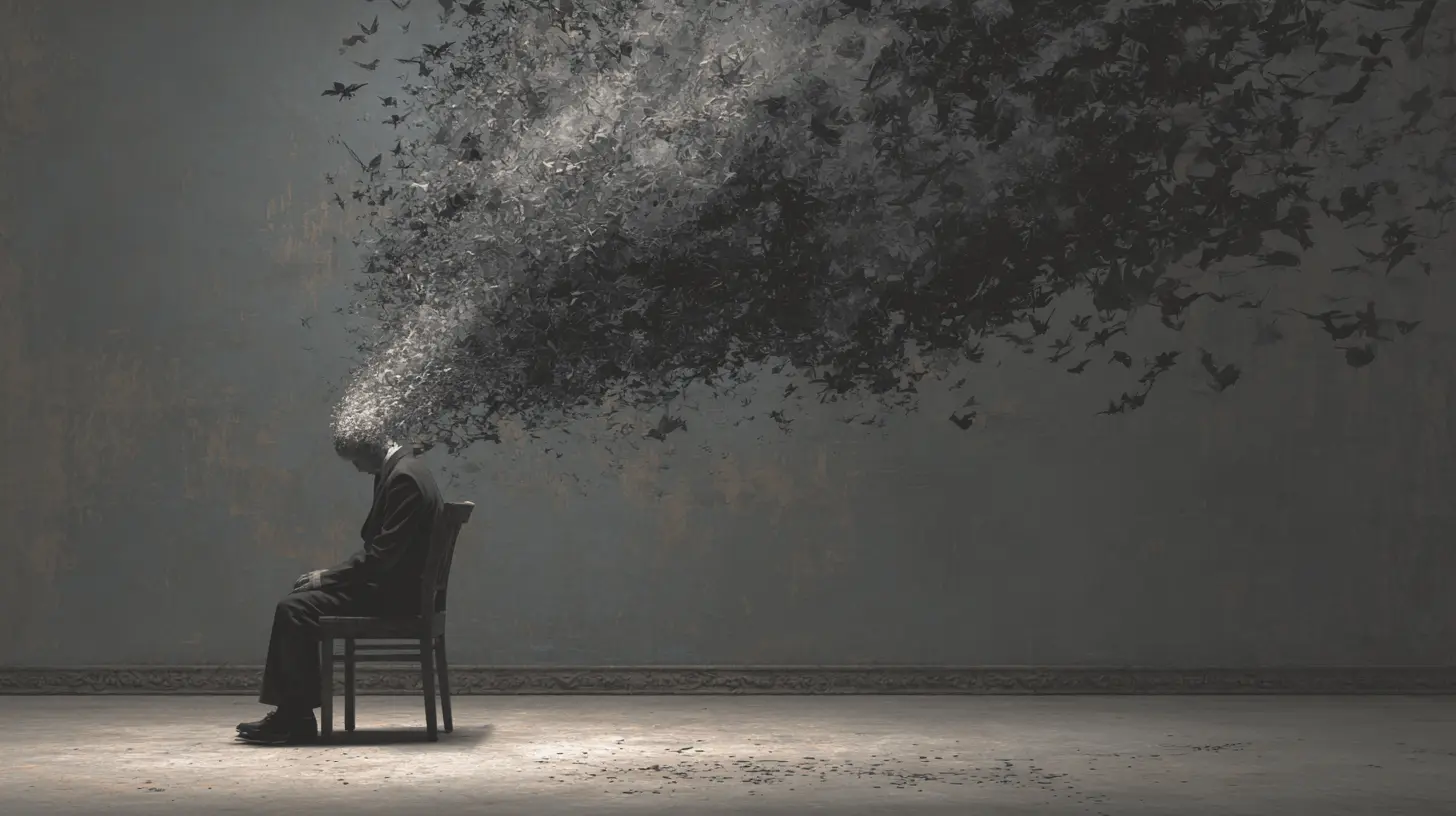
What Even Is Depression?
Oh, you thought depression was just feeling sad? How quaint! Depression is like that annoying houseguest who overstays their welcome. It’s not just a fleeting feeling; it’s a persistent state of mind that can suck the joy out of life faster than you can say “therapy session.”In 2026, we’ve come to realize that depression isn’t just about feeling blue. It’s a complex beast with emotional, physical, and even social components. Think of it as a nasty cocktail of sadness, hopelessness, fatigue, and irritability, all shaken vigorously and served with a twist of anxiety. Cheers!
The Different Flavors of Depression
Did you know that depression isn’t a one-size-fits-all kind of deal? Oh no, my friend. There are different flavors, and each one is as unique as your grandma’s secret cookie recipe. Here are some types you might encounter in the wild:1. Major Depressive Disorder: This is the Big Kahuna of depression. It can leave you feeling like you’re trudging through molasses on a Monday morning—exhausted, unmotivated, and just plain over it.
2. Persistent Depressive Disorder (Dysthymia): This one’s like that low-grade fever you just can’t shake off. It’s chronic and can last for years. You might feel “meh” for long stretches, which is, let’s be honest, not super fun.
3. Seasonal Affective Disorder (SAD): Ah, the winter blues! This one hits when the days get shorter and the weather takes a turn for the dreary. It’s like your mood hibernates along with the bears.
4. Postpartum Depression: For all the new parents out there, this one can be a real doozy. It’s not just the baby blues; it can be a serious issue that requires proper attention and care.
5. Bipolar Disorder: Ah, the emotional rollercoaster! This one involves wild mood swings ranging from jubilant highs to crushing lows. It’s not just a bad day; it’s a whole saga.

The Modern-Day Struggles with Depression
Now that we’ve got the basics down, let’s talk about the modern-day struggles. Because nothing screams “fun” like navigating mental health in a world obsessed with likes, follows, and that ever-elusive concept of “success.”The Impact of Social Media
Let’s not kid ourselves. Social media is a double-edged sword. On one hand, it connects us with friends and family worldwide. On the other, it’s a breeding ground for comparison and unrealistic expectations. How many times have you scrolled through someone’s perfect vacation photos while sitting on your couch in sweatpants, eating chips?In 2026, we’re still grappling with the effects of social media on mental health. Studies have shown that constant exposure to curated lives can exacerbate feelings of inadequacy and loneliness. It’s like trying to keep up with a reality show that you never signed up for. Spoiler alert: it’s exhausting.
The Stigma Around Mental Health
Ah, the stigma. It’s like that awkward uncle who shows up at family gatherings and refuses to leave. Even in 2026, many people still feel ashamed to talk about their mental health struggles. Why? Because admitting you’re struggling is somehow equated with weakness. Spoiler alert: it’s not.Finally, folks are starting to realize that mental health is as important as physical health. But there’s still a long way to go. Imagine we treated depression like we treat the flu. “Oh, you have depression? Here’s a box of tissues and a week off work!” Wouldn’t that be something?

The Signs and Symptoms: What to Look Out For
Okay, let’s get a bit serious here. Knowing the signs and symptoms of depression is crucial—like knowing how to find the bathroom at a party. You don’t want to be caught unprepared!Emotional Signs
- Persistent Sadness: If you find yourself feeling like Eeyore more often than not, it might be time to check in with yourself.- Irritability: Is everything and everyone getting on your last nerve? Welcome to the club!
- Loss of Interest: Hobbies you once loved? Forget about it. Suddenly, binge-watching shows feels more appealing than a night out.
Physical Signs
- Fatigue: Feeling like you just ran a marathon? You might be in the tight grip of depression.- Sleep Issues: Whether you can’t sleep at all or you’re sleeping too much, your sleep patterns can be a telltale sign.
- Appetite Changes: Are you munching on snacks like you’re preparing for a major event? Or maybe food looks about as inviting as a trip to the dentist?

The Science Behind It: What’s Happening in Your Brain?
Now, let’s put on our nerdy glasses for a second and talk about the science. Because, believe it or not, there’s actual biology behind this whole depression thing.In simple terms, depression is often linked to an imbalance of neurotransmitters—those nifty little chemicals in your brain that help regulate mood. Think of them as the traffic lights directing emotions. If they’re not working right, it’s like rush hour during a storm. Chaos!
Genetics and Environment
Surprise! Your genes might play a role in whether you’re more susceptible to depression. If you have a family history of depression, you might want to keep an eye out for those pesky symptoms. But don’t fret! Just because it runs in the family doesn’t mean you’re doomed to join the club.And let’s not forget about environmental factors. Life events like trauma, loss, or even major changes can act as a catalyst for depression. It’s like a perfect storm brewing, and before you know it, you’re left holding the umbrella—except it’s upside down.
Coping Mechanisms: How to Tackle This Beast
So, you’re feeling down and out. What now? Well, first off, pat yourself on the back for acknowledging it. That’s a huge step! Now let’s dive into some coping mechanisms that might help you wrestle this beast to the ground.Therapy: Your New Best Friend
Finding a good therapist is like finding the perfect avocado—sometimes you have to sift through a lot of bad ones before you hit the jackpot. But once you find that gem, it can be life-changing. Therapy isn’t just for “crazy” people; it’s for anyone who needs to talk it out.Medication: When You Need a Little Extra Help
Sometimes, you might need a little extra boost. Antidepressants can help rebalance those pesky neurotransmitters. It’s like giving your brain a little coffee break. However, always consult a professional before diving into medication. Your brain is not a DIY project!Healthy Lifestyle Choices
Here’s a shocking revelation: eating well, exercising, and getting enough sleep can REALLY help with depression. Who knew? Just think of your body as a fancy car—if you don’t fuel it properly, it’s not going to run smoothly.Mindfulness and Self-Care
Let’s wrap things up with some self-care. Mindfulness practices, like meditation and yoga, can help center your thoughts and reduce anxiety. And self-care? It’s not just face masks and bubble baths. It’s about finding what works for you and making time for it.
The Road Ahead: Building a Supportive Community
In 2026, we’re starting to understand that mental health isn’t just an individual journey; it’s a collective effort. Building a supportive community can make all the difference. So, reach out to friends, join support groups, or even connect online. You’d be surprised at how many people are eager to share their experiences.Breaking the Stigma Together
Let’s work together to break the stigma surrounding depression. Share your story, listen to others, and create an environment where talking about mental health feels as normal as chatting about the weather. After all, we’re all in this together, right?Conclusion: You Are Not Alone
Understanding depression in 2026 means recognizing that it’s a multifaceted issue that needs our attention. It’s not just a phase or a sign of weakness—it’s a serious condition that affects millions. So, let’s keep the conversation going, break the stigma, and support one another.Remember, if you or someone you know is struggling with depression, reach out for help. You wouldn’t ignore a broken leg, so why ignore your mental health?
###
all images in this post were generated using AI tools
Category:
Depression AwarenessAuthor:

Gloria McVicar
Discussion
rate this article
1 comments
Jett Dodson
Great insights! This article effectively highlights the evolving understanding of depression and its impact on society.
April 23, 2026 at 2:42 PM
Gloria McVicar
Thank you for your kind words! I'm glad you found the article valuable.