The Role of Pets in Reducing Stress and Anxiety
1 May 2026
Let’s be honest, life can get super overwhelming sometimes. Deadlines, bills, relationships, social pressures—it all piles up. And in the middle of this chaos, there’s often one furry (or feathered or scaled!) friend who just "gets" us. Ever wondered why cuddling with your dog after a long day feels like therapy? Or why the purring of your cat instantly calms your nerves?
Well, there’s actual science behind it. Pets aren’t just companions—they're natural stress-busters. In this article, we’re going to dive deep into the role of pets in reducing stress and anxiety. We’ll look at real benefits, science-backed facts, and even some tips on how to bond better with your pet for your mental well-being.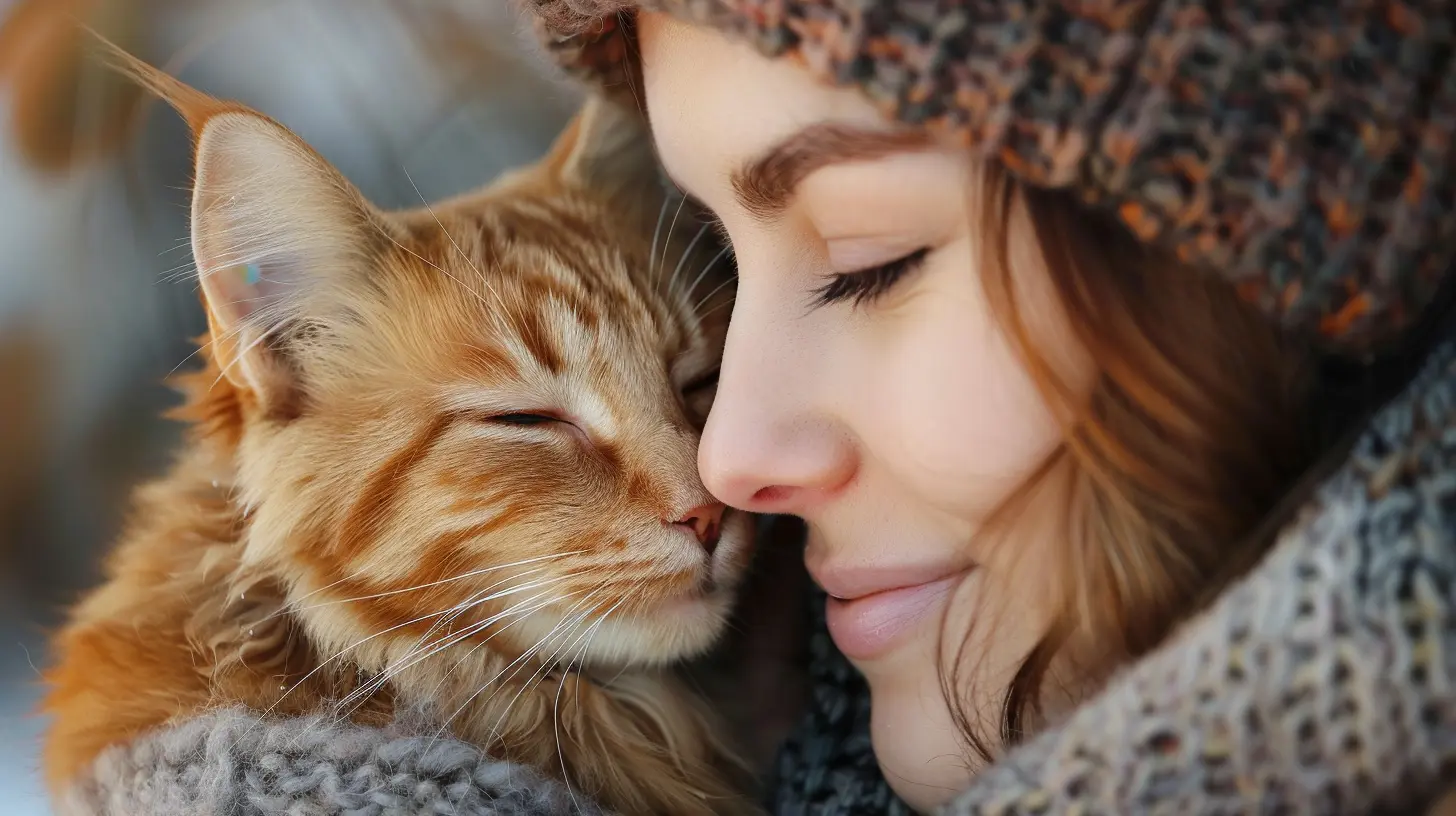
Why Pets Have a Special Place in Our Hearts (and Minds)
Let’s start with the basics. Why are pets so comforting?Here’s the deal—pets don't judge. They love unconditionally. When you come home feeling down, your dog is wagging its tail like you’re the best thing that ever happened. Your cat may pretend not to care, but trust me, that quiet purring next to you says otherwise.
This emotional connection is powerful. It makes us feel safe, loved, and understood without needing to say a word.
How Pets Help Reduce Stress: The Science Behind It
1. Feel-Good Hormones Get a Boost
When you cuddle with your pet, you’re not just getting a warm snuggle. Your brain releases oxytocin—often called the "love hormone." It’s the same hormone that bonds a mother to her baby. Oxytocin helps lower cortisol (that nasty stress hormone) and leaves you feeling calm and happy.Even spending just 10-15 minutes petting a dog or cat can lower your heart rate and blood pressure. It's like nature’s anxiety medication—no prescription required!
2. Routine and Structure
Let’s face it, anxiety thrives in chaos. But pets, especially dogs, need a routine—feeding times, walk schedules, playtime. This structure can be hugely beneficial for someone struggling with anxiety or depression.Knowing you have a furry friend depending on you every day can bring a sense of purpose and routine. And that sense of responsibility can keep you grounded when your mind wants to spiral.
3. Mindfulness in Disguise
Ever watched a cat chase a string or a dog excitedly sniff every bush on a walk? Pets live fully in the moment. And when you're with them, you kind of do, too.Walking your dog or playing with your hamster pulls your attention away from anxious thoughts and brings you right into the now. Basically, pets are like little four-legged meditation coaches.
Emotional Support Animals vs. Regular Pets
Let’s clear something up.Not all pets are emotional support animals (ESAs). ESAs require a recommendation from a licensed mental health professional and are legally recognized to help individuals with psychological disabilities. But that doesn’t mean your regular ol’ house cat or goldfish doesn’t offer immense emotional support.
In many cases, people report significant mental health improvements just from having a pet—even without official ESA status. So whether you’ve got a certified support animal or just a couch-loving mutt, the mental health benefits are real.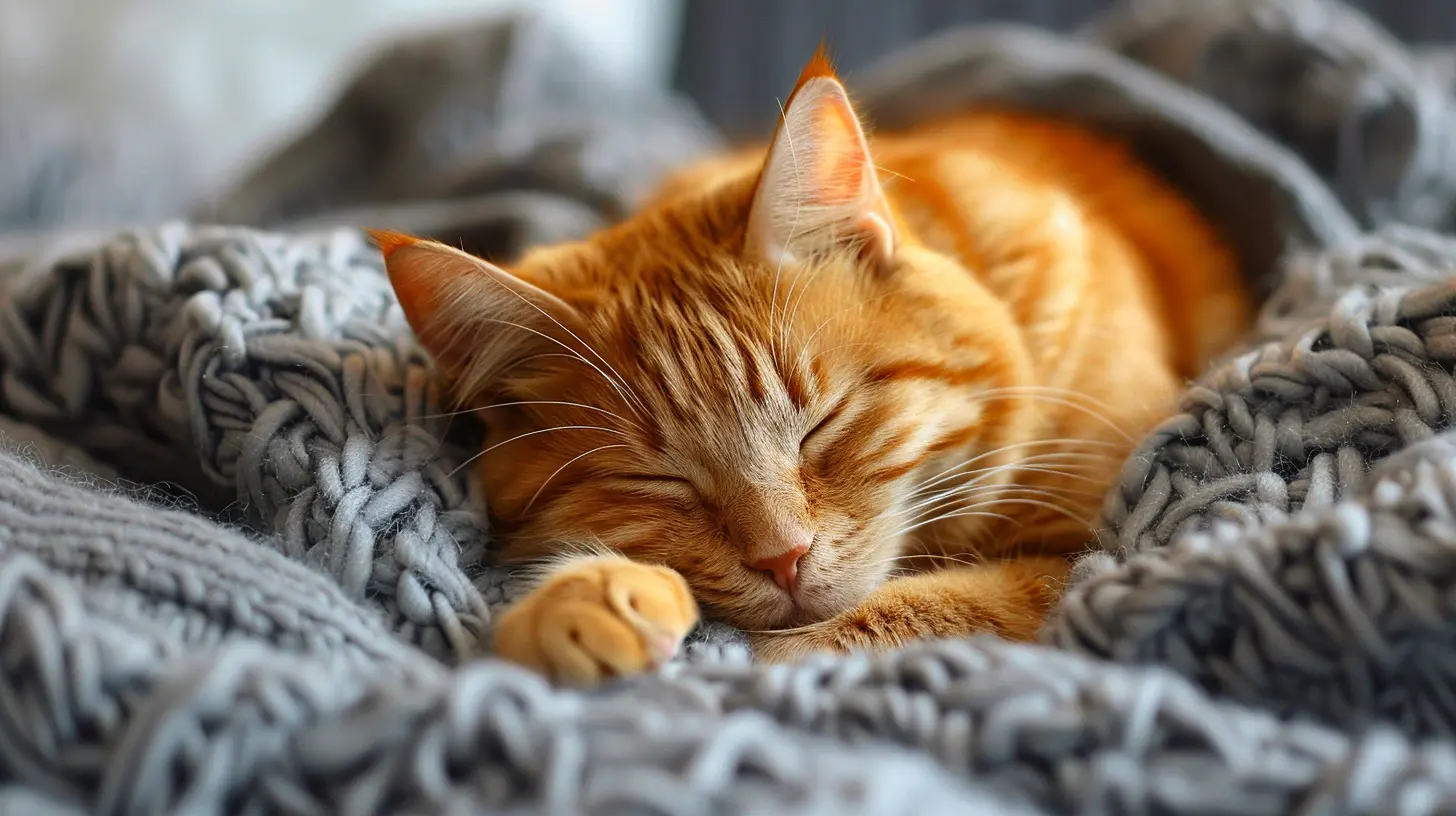
Pet Types and Their Unique Stress-Relief Powers
Different pets offer different vibes—and stress relief.Dogs: The Emotional Anchors
Dogs are arguably the MVPs when it comes to emotional support. They’re loyal, expressive, and thrive on connection. Walking a dog doubles as light exercise and social interaction, which are both great for managing anxiety.Cats: The Zen Masters
Cats are peaceful, purring balls of calm. Many cat owners say their pet’s presence alone lowers their anxiety. That rhythmic purring? It’s been linked to reduced stress levels and even healing properties. Think of it as nature’s white noise machine.Fish: The Living Art of Tranquility
Ever get lost watching fish swim in an aquarium? It’s like a live-action screensaver for your soul. Studies show that watching fish can reduce muscle tension and lower pulse rate. It’s the perfect choice for people who may not have the time or space for a furry friend.Birds, Rabbits, and More
Birds can form strong emotional bonds and offer lots of playful interaction. Rabbits are soft, quiet, and cuddly, often ideal for people who need calm companionship. Even reptiles like turtles and lizards can bring a sense of peace through their slow, deliberate movements.Real-Life Stories: Pets That Changed Lives
Let’s take a detour into the real world. Because, honestly, the research is cool, but the stories? They’re where the magic happens.Anna’s Story
Anna, a 32-year-old graphic designer, battled social anxiety for years. After adopting a rescue dog named Luna, her life began to shift. “Taking Luna on walks forced me out of the house. People started talking to me about her, and gradually, it became easier to talk to strangers,” she says.
Mike and Whiskers
Mike, who struggles with PTSD, found that his cat, Whiskers, became his emotional anchor. “When I have a panic attack, holding Whiskers calms me quicker than anything else ever has. It’s like she knows before I do when something’s wrong.”
These aren’t just cute stories. They're powerful reminders that pets offer more than company—they offer healing.
Pets in Therapy: From Hospitals to Classrooms
Therapy animals are gaining traction fast. You’ll find them in hospitals comforting patients, in schools helping kids with learning difficulties, and even in courtrooms supporting victims during trials.Animal-Assisted Therapy (AAT) involves trained animals in a therapeutic setting under professional guidance. It’s been shown to:
- Reduce symptoms of depression and anxiety
- Improve social skills in children with autism
- Alleviate pain and improve recovery in hospital patients
Who knew a wagging tail or a gentle nuzzle could have such an impact?
The Simple Ways Pets Make Us Better People
Here’s a fun thought—having a pet doesn’t just make you less anxious. Over time, it can make you more empathetic, responsible, and emotionally intelligent.- You become more aware of non-verbal communication
- You develop patience (like, a lot of it)
- You learn to care for something beyond yourself
That’s personal growth, disguised as belly rubs and chew toys.
Tips for Using Pet Time as Stress-Relief Time
Want to make the most of your pet when it comes to managing stress? Here are a few simple yet effective tips:1. Turn Routine into Ritual
Feeding your pet? Don’t rush through it. Use it as a mindful moment. Talk to them. Be present. Feel that connection.2. Get Outside Together
Walking your dog (or even your adventurous cat) gets you fresh air and exercise, which are both natural stress relievers.3. Create Dedicated Bonding Time
Set aside time daily to just play, cuddle, or talk to your pet. This uninterrupted interaction can become a comforting daily ritual.4. Observe Their Behavior
Animals are intuitive. If your cat is extra clingy or your dog won’t leave your side, it might be sensing your emotional state. Sometimes, they know we need them before we do.What If You Can’t Own a Pet?
Don’t worry—there are still options.- Volunteer at an animal shelter
- Offer to pet-sit for friends
- Foster a pet temporarily
- Even watching cute animal videos has been shown to boost mood!
The goal is to find that animal connection—whatever form it takes.
Final Thoughts: More Than Just Cute Companions
At the end of the day, pets are more than just adorable sidekicks. They’re our silent therapists, our loyal best friends, and our emotional safety nets. They help us slow down, be present, and feel loved—unconditionally.If you've got a pet, give them an extra cuddle today. And if you're thinking about getting one, maybe this is the nudge you needed. Because sometimes, the best medicine comes with fur and four legs.
all images in this post were generated using AI tools
Category:
Stress ManagementAuthor:

Gloria McVicar
Discussion
rate this article
1 comments
Eliana McVicar
Pets offer unconditional love and companionship, creating a calming presence that helps soothe our anxious minds.
May 2, 2026 at 5:00 PM
Gloria McVicar
Absolutely, pets have a unique way of grounding us and providing comfort during stressful times. Their presence can truly make a difference.