The Role of Meditation in Cultivating Emotional Balance
8 May 2026
We all have those days—when every little thing gets under your skin, and your emotions feel like a rollercoaster spiraling out of control. Sound familiar? That’s where meditation comes into play. More than just sitting cross-legged and “thinking of nothing,” meditation is a powerful tool for grounding ourselves emotionally.
Let’s be real—life gets messy. But what if I told you there’s a skill (yes, a skill!) that can help you handle emotional ups and downs with a little more grace? That’s exactly what meditation does. It doesn’t erase your stress, sadness, or anger, but it changes how you respond to them. Let’s dive into how the simple practice of meditation can be a game-changer for your emotional health.
What Does Emotional Balance Even Mean?
Before we go any further, let’s clear the air. Emotional balance isn’t about suppressing how you feel or pretending you're happy 24/7. That’s toxic positivity—and nobody needs more of that.Emotional balance means:
- Recognizing your emotions as they happen
- Not being overwhelmed or driven by them
- Responding thoughtfully instead of reacting impulsively
Think of it like surfing. Emotional balance is the ability to ride the waves instead of being slammed underwater every time one hits. And meditation? That’s your surfboard.
How Meditation Helps You Regulate Emotions
Ever find yourself snapping at someone over something small? Or feeling drained after a long day of emotional chaos? Meditation helps you slow down and reconnect with what’s going on inside.Here’s how it works:
1. Awareness Is Everything
Meditation teaches you to pause and notice what you’re feeling in real-time. That’s huge. Most of us walk around on autopilot, reacting without even realizing why.When you meditate regularly, you start to build awareness. Suddenly, you notice, “Oh—I’m feeling anxious right now,” or “Wow, I’m really irritated.” That awareness gives you the space to choose your next move instead of being hijacked by your emotions.
2. Rewiring the Brain
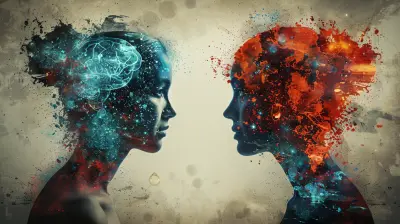
Okay, science time—but don’t worry, I’ll keep it simple.Studies using brain scans show that meditation strengthens the prefrontal cortex (the logical, rational part of your brain) and reduces activity in the amygdala (your fear and emotion center). In other words:
- More calm thinking, less knee-jerk reacting
- Better decisions, less stress
- More peace, less panic
Over time, meditation actually changes the structure of your brain. It’s like going to the emotional gym—your brain gets stronger with each session.
3. Improved Emotional Resilience
Meditation won’t stop bad stuff from happening. Life is still going to throw curveballs. But it gives you resilience—the ability to bounce back.When you practice meditation, you begin to see your emotions as temporary experiences instead of permanent states. That sadness? It’ll pass. That anger? It’s just a wave—you don’t need to drown in it.
Different Meditation Techniques for Emotional Balance
Not all meditation is created equal. Depending on your emotional needs, some techniques work better than others. Let’s break down a few styles and how they help with emotional balance.Mindfulness Meditation
This is the gold standard. Mindfulness is all about paying attention to the present moment—without judgment. You notice your breath, your thoughts, your feelings. And you don’t try to change anything.Perfect for: Reducing anxiety, increasing emotional awareness, staying grounded in the moment.
Loving-Kindness Meditation (Metta)
This style involves sending love and kindness to yourself and others. Sounds cheesy? Maybe. But it works.Perfect for: Letting go of anger, healing emotional wounds, cultivating compassion and forgiveness.
Body Scan Meditation
Here, you slowly bring your attention to different parts of your body, noticing where you’re holding tension.Perfect for: Releasing stress, connecting emotions to physical sensations, promoting relaxation.
Breathwork and Focused Attention
Sometimes, just focusing on your breath or repeating a mantra is enough to pull you out of an emotional spiral.Perfect for: Calming down quickly, sharpening focus, easing overwhelm.
Real Benefits Backed by Real Science
Let’s talk results. You don’t have to take this on faith—there’s actual research behind it.🧠 A study published in Psychological Science found that even brief meditation training can help people regulate emotions more effectively.
💓 Another study in JAMA Internal Medicine showed that mindfulness meditation can significantly reduce symptoms of anxiety, depression, and even physical pain.
🧘 Meditation has also been linked to lower cortisol levels (that’s your main stress hormone) and improved heart rate variability—a key marker of emotional resilience.
In other words, science isn’t just kinda-sorta on board. It's fully in the meditation camp.
Building a Daily Practice (Without Losing Your Mind)
Let’s face it—starting something new can be overwhelming. Sitting in silence might sound more like torture than peace in the beginning. But don’t sweat it. Just like going to the gym, you don’t start benching 200 pounds on day one.Here’s how to ease into meditation without intimidating yourself:
1. Start Small
Try 5 minutes a day. Seriously. You don’t need to go on a silent retreat. Set a timer, sit in a quiet space, and just focus on your breath. That’s it.2. Use an App
Apps like Calm, Headspace, or Insight Timer offer guided meditations that walk you through the process. It’s like having a coach in your pocket.3. Be Kind to Yourself
Your mind will wander. That’s normal. That’s part of the practice. Every time you notice it and return to the breath, you’re strengthening your attention and emotional control.4. Make It a Ritual
Link meditation to an existing habit, like brushing your teeth or having your morning coffee. Same time, same place. Consistency is more important than duration.Common Myths About Meditation… Busted
Let’s go myth-busting for a sec because there’s too much misinformation out there:❌ You have to clear your mind completely.
Nope. The goal isn’t to stop thinking—it’s to become aware of your thoughts without getting caught up in them.❌ You need to meditate for hours.
A few minutes a day is enough to see benefits. It’s quality over quantity.❌ Meditation is only for spiritual or religious people.
Not true. Meditation is a mental health tool. You don’t need to chant, burn incense, or sit on a mountain to get results.Meditation in Real Life: Everyday Emotional Wins
Let’s bring it back down to earth. What does emotional balance from meditation actually look like in the wild?- You pause before snapping at your partner during an argument.
- You notice you’re feeling anxious and take a few deep breaths instead of spiraling.
- You let a rude comment go instead of replaying it in your head all day.
- You learn to sit with sadness without needing to numb it with food, screen time, or distractions.
Meditation doesn’t turn you into a robot. It just helps you become a more emotionally intelligent human.
Final Thoughts: Meditation Isn’t Magic, But It Feels Like It
Here’s the thing—meditation won’t make your emotions disappear. It’s not a quick fix or cure-all. But it gives you space. Space to breathe. Space to respond, not react. Space to feel without being controlled by those feelings.And in that space? That's where peace lives. That’s where emotional balance thrives.
So if you’re tired of being pushed around by your emotions, give meditation a try. Not as a perfect solution—but as a daily practice that helps you become more grounded, more present, and more in control.
You deserve to feel that kind of calm.
all images in this post were generated using AI tools
Category:
Mental WellnessAuthor:

Gloria McVicar
Discussion
rate this article
1 comments
Gabriella Lamb
Meditation is a powerful tool for finding inner peace and emotional balance. It helps us connect with ourselves, fostering resilience and clarity. Embrace the stillness and let it guide you toward a more balanced life.
May 12, 2026 at 3:44 PM
Gloria McVicar
Absolutely, meditation offers a profound pathway to emotional balance. It truly allows us to pause and reconnect with our inner selves, leading to greater clarity and resilience.