The Role of Exposure Therapy in Treating Phobias
25 April 2026
Ever felt your heart race at the sight of a spider or refused to step foot on a plane because it sends you into a cold sweat? You're not alone. Phobias — those overwhelming and often irrational fears — can take a serious toll on your everyday life. But here's the good news: they don’t have to control you forever. One of the most effective treatments out there? Exposure therapy.
In this article, we’re diving deep into the world of exposure therapy and how it plays a powerful role in treating phobias. We’ll keep it real, break down the science into simple terms, and talk about what this therapy actually looks like in practice.

What Is a Phobia, Really?
Let’s start with the basics. A phobia is more than just being afraid of something. It's an intense fear that can feel paralyzing — and it usually kicks in even when there's no real danger.Whether it’s flying, needles, dogs, or public speaking, phobias are surprisingly common. In fact, millions of people deal with them. And while some folks find ways to manage, others feel like their daily life is put on pause because of them.
Now the big question: how do we treat phobias effectively?
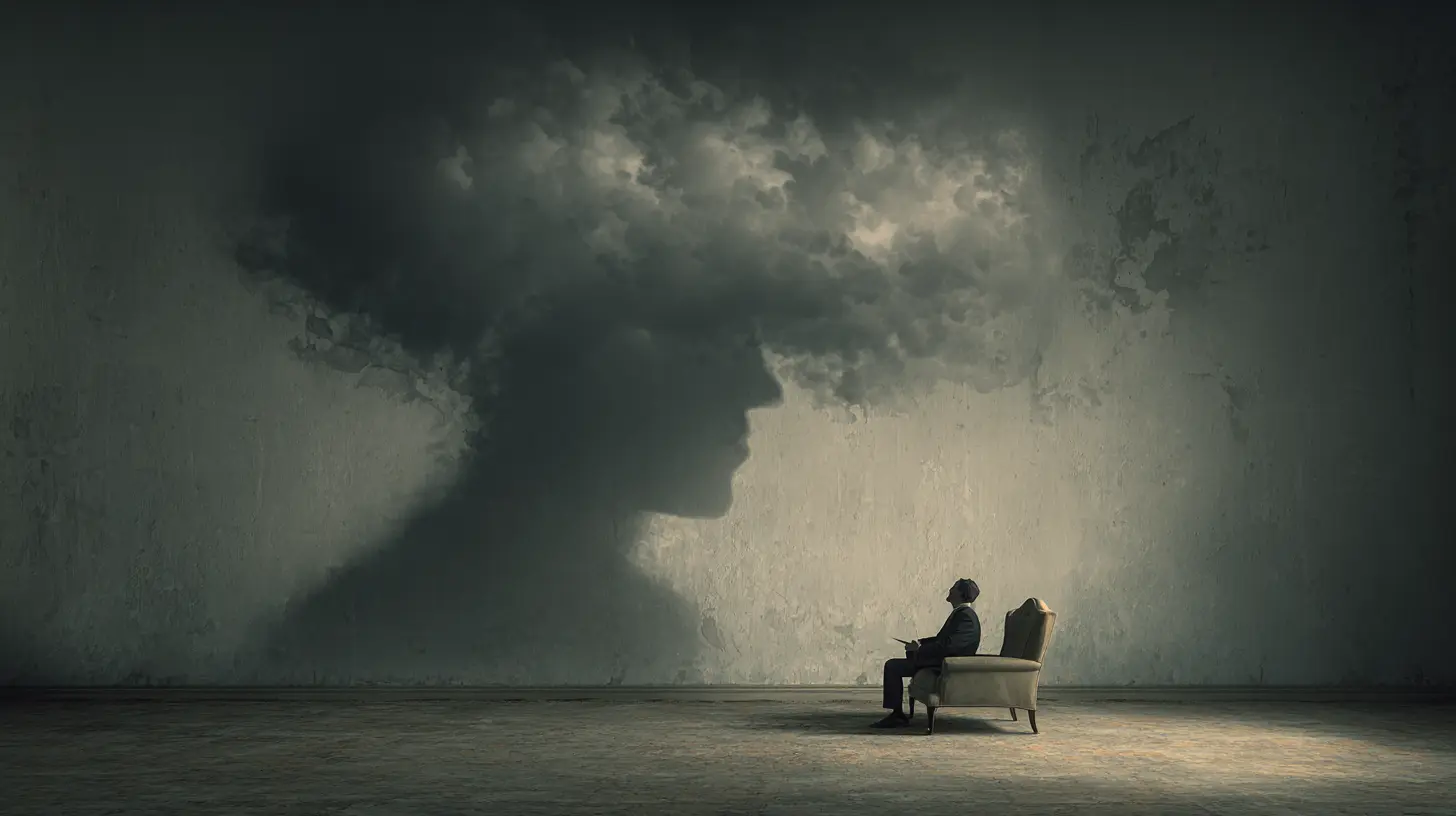
Meet Exposure Therapy: A Game-Changer in Mental Health
Exposure therapy is a type of behavioral therapy that’s been used for decades to help people face — and eventually tame — their fears. It's based on a simple but powerful idea: the more you're exposed to the thing you fear, the less scary it becomes over time.Imagine it like this — you're afraid of swimming. So instead of throwing you into the deep end on day one, a therapist might start by just talking about pools, then showing pictures, then visiting a pool without getting in. Step by step, your brain gets re-wired to understand that swimming isn't actually dangerous. Pretty cool, right?
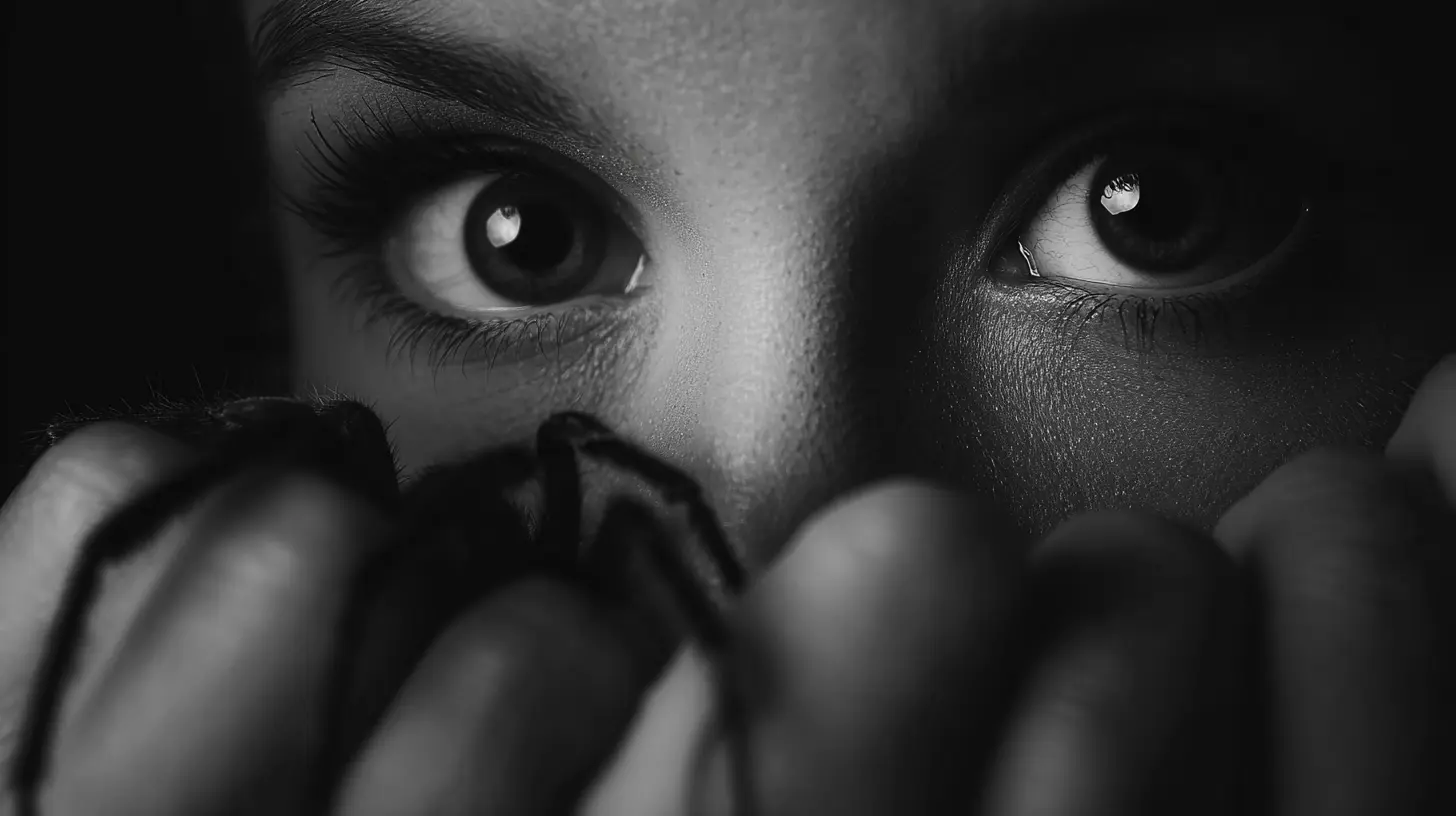
How Does Exposure Therapy Actually Work?
At its core, exposure therapy helps reprogram your brain’s “fear response.” It uses controlled, gradual exposure to the feared object or situation, helping you learn that what you’re afraid of won’t actually harm you.This process is all about desensitization. You become less sensitive to the fear trigger — kind of like how you stop noticing a strong smell after being in the room for a while.
Here’s how it usually unfolds:
1. Building a Fear Hierarchy
The therapist helps you create a “fear ladder.” You list scenarios involving your phobia from least to most scary. For someone with a fear of public speaking, talking to a friend might be low on the list, while giving a presentation to 100 people sits at the top.2. Gradual Exposure
Next, you work your way up the ladder. Start with the least scary task and only move up when you’re comfortable. This might be done through:- Imaginal Exposure – Visualizing the fear in a safe setting.
- In Vivo Exposure – Facing the fear in real life.
- Virtual Reality Exposure – Using tech to simulate the fear (amazing for flying or heights).
3. Repetition and Consistency
Exposure isn’t a one-time thing — it requires repetition. The more you face the fear, the more your brain adapts. Think of it like going to the gym. One workout doesn’t change much, but consistency does wonders.
Why Exposure Therapy Works So Well
You might be wondering, “Why not just avoid the fear altogether?” And honestly, that’s what most of us try to do. But avoidance only makes things worse over time. Your brain learns that avoiding the fear keeps you “safe,” so the fear just grows.Exposure therapy flips that habit on its head.
Here’s why it works:
- Breaks the avoidance cycle – You're no longer running from the fear, you're facing it.
- Teaches the brain new pathways – You learn that the feared object doesn’t lead to harm.
- Builds confidence – Each success boosts your self-trust.
- Reduces anxiety – Your fight-or-flight response chills out the more you face the fear.
Common Phobias Treated With Exposure Therapy
Let’s talk specifics. Exposure therapy has proven effective across tons of different phobias. Here are just a few:Fear of Flying (Aviophobia)
Exposure might include watching plane videos, visiting an airport, or using virtual reality to simulate take-off and landing. Over time, flying feels less terrifying.Social Phobia
This one’s about fear of judgment or embarrassment in social situations. Therapy might involve making small talk or joining a group setting — gradually, of course.Agoraphobia
Fear of leaving a safe space or being in places where escape feels hard. Exposure could mean walking short distances alone or entering a crowded place with support.Animal Phobias
Spiders, snakes, dogs — you name it. Exposure starts with pictures or videos and can move to real-life interactions.Claustrophobia
Start with sitting in small spaces briefly, then work up to elevators or closed rooms.The best part? Exposure therapy is customizable. Whatever your fear is, the treatment plan is built just for you.
What Does a Typical Exposure Therapy Session Look Like?
Imagine walking into a therapist’s office feeling like your fear owns you. You sit down, and together, you create a plan. You’re not asked to dive in headfirst — you’re taught to swim with floaties first.A session might look like this:
1. Check-in – Talk about your week, your fears, and how you're feeling.
2. Goal setting – Choose one small fear to face.
3. Perform the exposure – Either in your imagination, virtually, or in real life (with the therapist’s help).
4. Reflection – Talk about how it felt, what surprised you, and what progress you made.
There’s no rushing, no judgment, just real work at your own pace.
Is Exposure Therapy Painful or Dangerous?
Let’s clear something up: exposure therapy isn't about traumatizing you. Yes, it can feel uncomfortable, especially at first — but that’s kind of the point. Growth happens right outside your comfort zone.But it’s done in a safe and supportive environment, with a trained therapist guiding you every step of the way. You're never forced. You’re encouraged.
And there are no real dangers involved. You’re being exposed to triggers in a controlled way, not thrown into actual danger.
What Makes Exposure Therapy Different From Other Therapies?
Maybe you've heard of cognitive behavioral therapy (CBT), medication, or talk therapy. All have their place. But exposure therapy is unique because it focuses on action.It doesn’t just talk about the fear — it gets you facing it.
It’s like the difference between reading about swimming and actually jumping into the water. Both help, but one gets you moving forward.
Does It Always Work?
Great question. Like any therapy, exposure therapy isn’t a one-size-fits-all magic bullet. But research shows it’s hugely effective — especially when tailored to the individual.Factors that affect success include:
- Consistency – Regular practice leads to better results.
- Therapist skill – A trained professional makes all the difference.
- Your commitment – Progress depends on your willingness to try.
Some people see results in just a few weeks; for others, it might take longer. But many report a major reduction in fear — and a huge boost in confidence.
Can You Try Exposure Therapy on Your Own?
Technically, yes. There are books, apps, and online programs that offer DIY exposure therapy techniques. But here's the catch: going it alone can be tricky.Without guidance, it’s easy to push too hard too soon, or avoid the exposures that matter most. Plus, a therapist can help with motivation, encouragement, and personalized plans.
That said, self-help tools can be great supplements — especially once you’ve gotten guidance from a professional.
Final Thoughts: You’re Not Stuck With Your Phobia
If your fears are holding you back, exposure therapy could be the key to freedom. It’s not always easy, and yes, it might be uncomfortable at times. But the freedom and peace on the other side? Totally worth it.Remember — fear is just a feeling. It’s not a life sentence. With time, commitment, and the right support, you can retrain your brain and take control of your life again.
So if you’re tired of letting a phobia call the shots, maybe it’s time to face it — one small step at a time.
all images in this post were generated using AI tools
Category:
Behavioral PsychologyAuthor:

Gloria McVicar
Discussion
rate this article
1 comments
Zander Wheeler
Great article! Exposure therapy is indeed a vital approach for phobia treatment. It’s interesting to see how gradual exposure can reshape perceptions. Looking forward to more insights on techniques and success stories in future posts!
April 27, 2026 at 2:58 AM
Gloria McVicar
Thanks for your feedback! I'm glad you found the article insightful. Stay tuned for more on techniques and success stories.