The Placebo Effect: A Behavioral Perspective
30 December 2025
Imagine taking a sugar pill, thinking it's medicine, and suddenly feeling better. Sounds wild, right? That’s the placebo effect in action. It’s one of the strangest, yet most powerful phenomena in psychology and medicine. But where does it come from? And more importantly — what does it say about how our behaviors, thoughts, and expectations shape our health?
In this blog post, we're diving deep into the psychology behind the placebo effect, specifically through a behavioral lens. Grab your metaphorical lab coat — we're about to break down how something fake can produce very real results.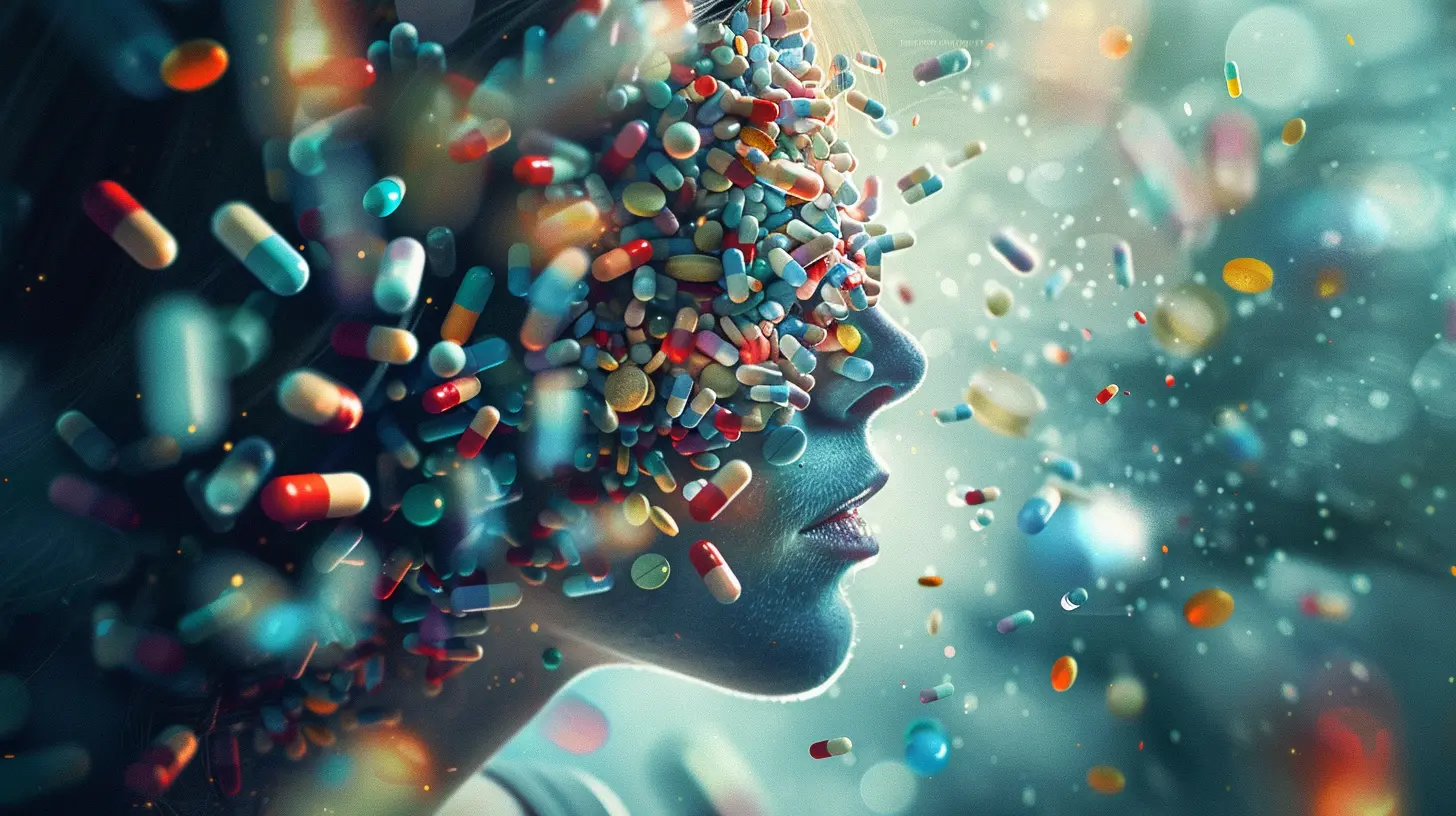
What Exactly Is the Placebo Effect?
Let’s keep it simple. The placebo effect happens when someone experiences a real improvement in their symptoms after taking something that has no therapeutic value. We're talking sugar pills, saline injections, or even fake surgeries. The kicker? The individual believes it’s the real deal — and that belief alone sparks changes.It’s not magic. It’s psychology. It’s deeply rooted in how our brains and behaviors communicate with our bodies. And behavioral psychology gives us a powerful framework to unpack all of it.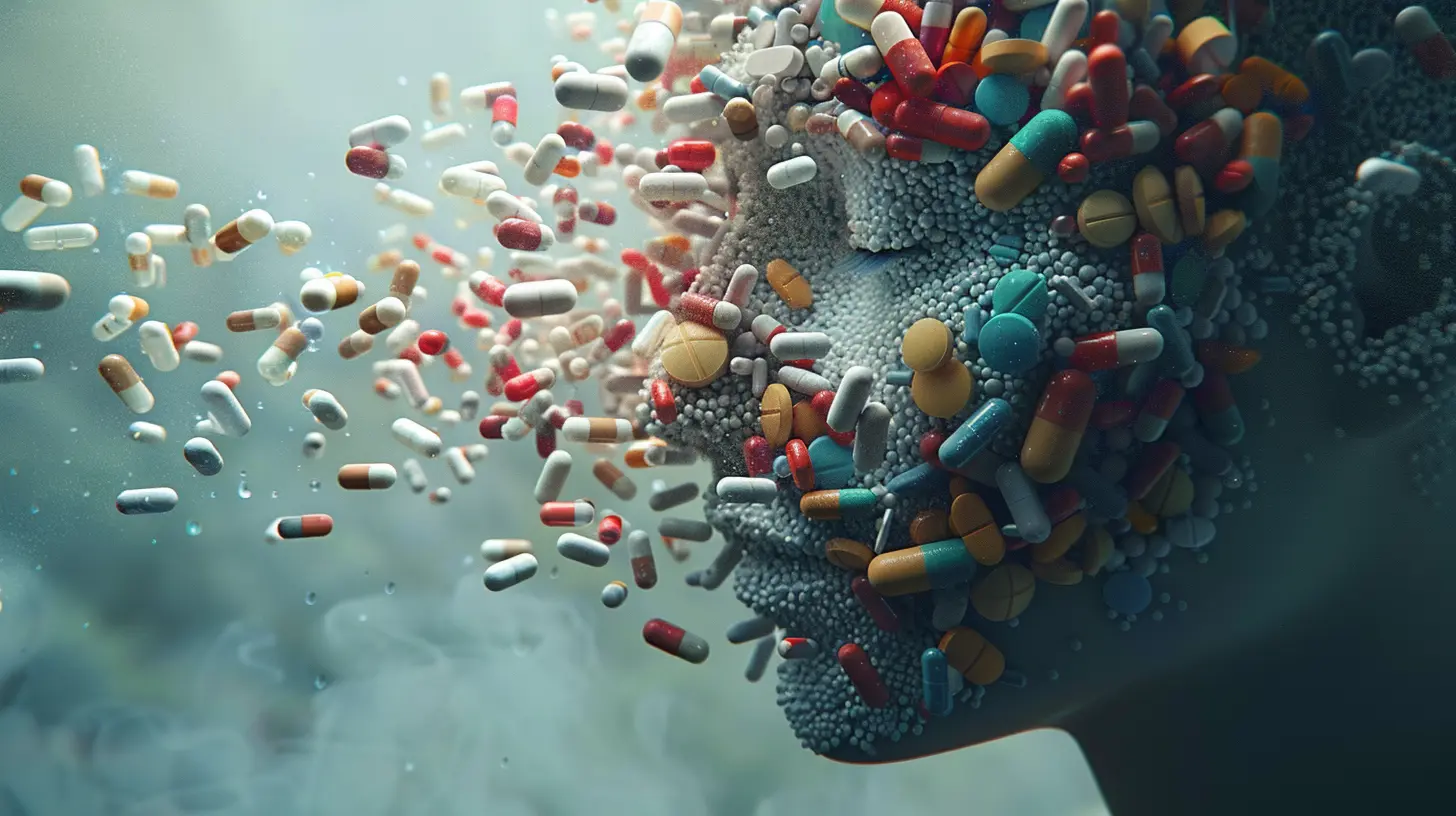
Why Does It Work? A Quick Reality Check
You might be wondering — how can a “fake” treatment have any effect at all? That’s where expectation comes in. If your brain thinks you're being treated, it can trigger a physical response. That could include pain relief, mood improvement, or even better sleep.It’s like your brain saying, “Oh, we’re doing something to fix this? Cool. Let’s get to work,” even if that “something” is just a sugar pill dressed up like a superhero.
But here’s the thing — the placebo effect isn’t just a trick of the mind. It’s a behavioral response. Our habits, beliefs, conditioning, and prior experiences all play a role. That’s why exploring the placebo effect through a behavioral perspective gives us such rich insight.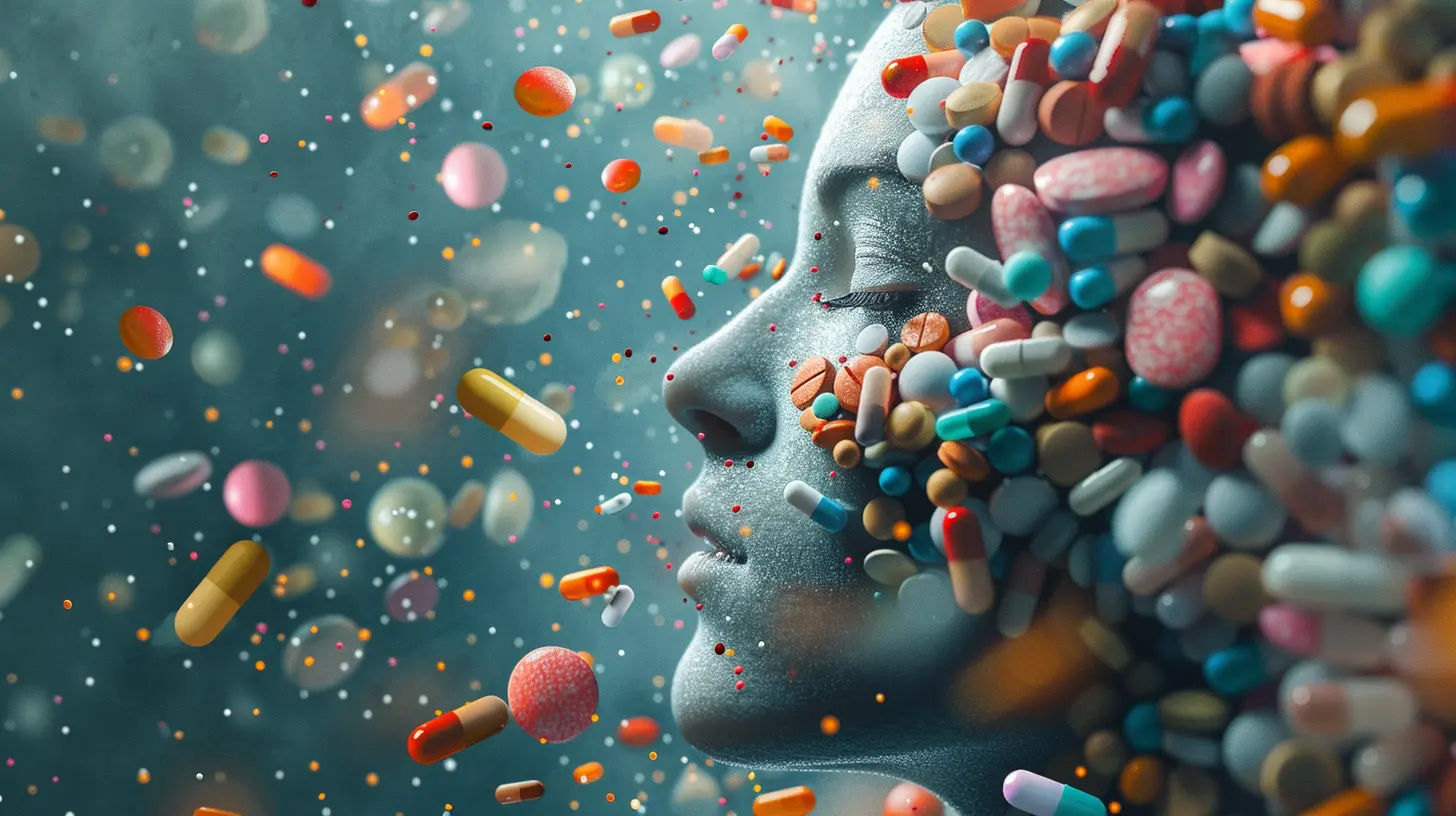
The Behaviorist's Angle: It's All About Conditioning
Let’s throw it back to some good ol’ fashioned behaviorist theory — remember Pavlov and his salivating dogs? Pavlov conditioned his dogs to salivate when they heard a bell because they associated it with food. This same idea helps explain how the placebo effect works.Think of it this way: if every time you take a pill, you feel better, your body learns to associate the act of taking medicine with healing. Eventually, even if the pill has no active ingredient, your brain and body have already been conditioned to respond — they’re ready to heal themselves.
Classical Conditioning and the Placebo Effect
Here’s how classical conditioning plays into it:- Unconditioned Stimulus (Medication) → Unconditioned Response (Improved Health)
- Neutral Stimulus (Pill form) → No response (initially)
- Conditioned Stimulus (Same pill form, repeatedly tied to healing) → Conditioned Response (Improved Health)
So over time, we’ve learned to respond to the ritual of treatment. The setting, the doctor, the pill bottle — they all become cues that our brain uses to gear up for healing.
Operant Conditioning: Reinforcement in Action
Behavioral psychology also teaches us about operant conditioning — the way behaviors are shaped and reinforced by rewards or punishments. Here’s where things get even more interesting.Let’s say you take a placebo and your headache goes away. That relief? It's a form of positive reinforcement. Your mind might think, “Hey, that pill worked!” So, you’re more likely to take it again. Behavior reinforced.
Over time, even if your rational brain knows it’s not real medicine, your body still reacts positively. Reinforced behaviors stick around — and so do their effects.
The Power of Expectation and Belief
Our expectations are like the director of a movie — quietly but powerfully shaping every scene. Belief in the treatment is what unlocks the placebo effect. But where do those beliefs come from?From a behavioral standpoint, they come from:
- Past Experiences: If medication has helped before, our brain logs that.
- Social Cues: Seeing others respond to treatment makes us more likely to expect results.
- Environmental Triggers: The smell of a doctor's office or the sound of a medicine bottle can be enough to "cue" healing behaviors.
And when our behaviors align with those beliefs — like taking the pill, going to the doctor, following a routine — they reinforce those expectations, triggering the placebo effect.
It’s a feedback loop. Belief leads to behavior; behavior reinforces belief. And round and round we go.
Beyond Pills: Placebo in Everyday Life
Think the placebo effect is limited to medicine? Think again. It’s lurking all around us — in fitness, productivity, dieting, even relationships.Ever Try a “Magic” Morning Routine?
You wake up at 5 a.m., meditate, drink lemon water, and journal. Do all that really change your biology overnight? Probably not. But the belief that you’re setting yourself up for success? That’s placebo-level power. It changes your mindset, attitude, and choices for the day.Sports and Performance
Athletes are no strangers to placebos. Energy drinks, rituals before a game, “lucky” gear — many of these things don’t actually boost performance. But guess what? They believe they do. And that belief triggers behavioral and physical changes that might.So yeah, placebos aren’t just in hospitals. They’re baked into how we operate every day.
The Ethics of Using Placebos: A Moral Tug-of-War
We can’t talk about placebos without addressing the ethical elephant in the room: deception.If a doctor gives someone a sugar pill and says it’s Tylenol, is that wrong? What if it works? What if it’s the only thing that works?
This is a hot topic in both psychology and medicine. Behavioral research tells us that placebos rely heavily on belief — but what if we could harness that belief without lying?
Enter open-label placebos — where participants are told they’re taking a placebo, and they still feel better. Wild, right?
This shows just how powerful context, expectation, and behavior are. You don’t even need to be fooled. Just going through the motions of treatment, with hope or structure, can trigger improvement.
Nocebo: The Evil Twin
Let’s flip the coin for a second. If believing something helps can cause real improvement, believing something harms you can also cause real damage. This is called the nocebo effect.Think of it like a placebo’s shadow. People given a harmless substance but told it might cause side effects often report — you guessed it — side effects.
Behaviorally, this is fascinating. A negative expectation (based on fear, previous experiences, or suggestion) leads to a physical reaction. It’s a powerful reminder of how closely our mind and body are linked through behavior.
How Can We Use This Knowledge?
Okay, so now you know the placebo effect is real, powerful, and deeply behavioral. But how do we actually use this in a healthy, non-manipulative way?1. Build Positive Health Habits
The ritual matters. Creating consistent, healthy routines — even small ones like drinking tea before bed — can cue your brain into a healing state. Give your body triggers that reinforce positive outcomes.2. Leverage Mindset
Your mindset shapes your behavior. A positive attitude won’t cure disease, but it can influence how you respond to treatment, manage pain, and maintain motivation.3. Be Conscious of Suggestibility
Understand how powerful suggestions can be. Whether you're talking to yourself, a loved one, or a patient — your words matter. Frame things in a way that encourages hope, not fear.4. Use Placebo Wisely in Therapy
Therapists and clinicians can design interventions that use the placebo effect without deception. Ritual, repetition, framing, and client belief all play a role in behavioral interventions.Final Thoughts: The Mind as Medicine
Here’s the takeaway: the placebo effect is more than just a medical mystery — it’s behavioral science in action. It shows us just how tightly our thoughts, beliefs, and behaviors are interwoven with our biology.From classical conditioning to learned behavior and expectation, placebos shine a spotlight on the psychology of healing. And perhaps more importantly, they remind us that the act of believing and behaving “as if” can be powerful medicine all on its own.
So next time you're drinking that herbal tea or doing yoga because you think it helps — don’t knock it. You might just be triggering your brain’s own in-house pharmacy.
all images in this post were generated using AI tools
Category:
Behavioral PsychologyAuthor:

Gloria McVicar
Discussion
rate this article
2 comments
Xeno Clarke
The placebo effect is like telling your body 'You've got this!' and it actually listens. It's the ultimate mind game where your brain pulls off a magic trick—making you feel better without any actual wizardry. Now if only my coffee could do the same!
January 19, 2026 at 4:06 AM
Gloria McVicar
You're right, the mind's influence on the body is powerful. It's fascinating how belief can spark real change. And hey, if coffee could boost our minds that way too, we'd all be wizards!
Zevon Torres
This article brilliantly highlights the placebo effect's significance in psychology. By examining it from a behavioral standpoint, it underscores how expectations and beliefs can powerfully influence outcomes. A thoughtful read that deepens our understanding of the mind-body connection and the nuances of human behavior.
January 13, 2026 at 4:59 AM
Gloria McVicar
Thank you for your thoughtful comment! I'm glad you found the article insightful in exploring the placebo effect's role in psychology and its connection to human behavior.