The Link Between Low Self-Esteem and Emotional Dependency
22 June 2026
Ever felt like you just can't be okay unless someone else validates you? Do you find yourself constantly chasing reassurance or clinging to relationships, even when they may not be healthy for you? If that rings any bells, you're not alone—and it might point toward something deeper going on. Today, we're diving into the often-overlooked but incredibly powerful connection between low self-esteem and emotional dependency.
Grab a coffee, get comfy, and let's untangle this emotional knot together.
What Is Emotional Dependency Anyway?
Before we get too far ahead, let’s get on the same page about what emotional dependency actually means.Emotional dependency is when your emotional well-being leans too much on someone else. Think of it like relying on one crutch to stand when really, your own two feet should be enough. It's not just about wanting love or connection (that’s totally normal!). The red flag is when someone feels like they need another person—often a partner, family member, or close friend—to feel secure, loved, or even "enough."
Sound familiar?
Of course, we all crave connection. We're wired for it. But emotional dependency goes a step too far. It’s when you start believing you can’t function emotionally unless someone else is constantly by your side.
And here’s the kicker—this often stems from low self-esteem.
Understanding Low Self-Esteem: The Root of the Struggle
Low self-esteem isn't just feeling a little down every now and then. It’s a consistent, nagging belief that you’re not good enough, not worthy, or just inherently flawed. It’s that inner voice always whispering, “You’re not lovable,” or “You’ll mess this up.”Yikes, right?
The thing is, people with low self-esteem often look outside themselves to fill that emotional void. They may depend on others to validate them, reassure them, or carry the emotional weight they don’t believe they can handle alone.
Let’s put it this way: imagine your self-worth as a bucket. If it’s got holes (low self-esteem), you’ll keep pouring in external validation—likes, compliments, attention—just to keep it somewhat full. But it never quite holds, does it?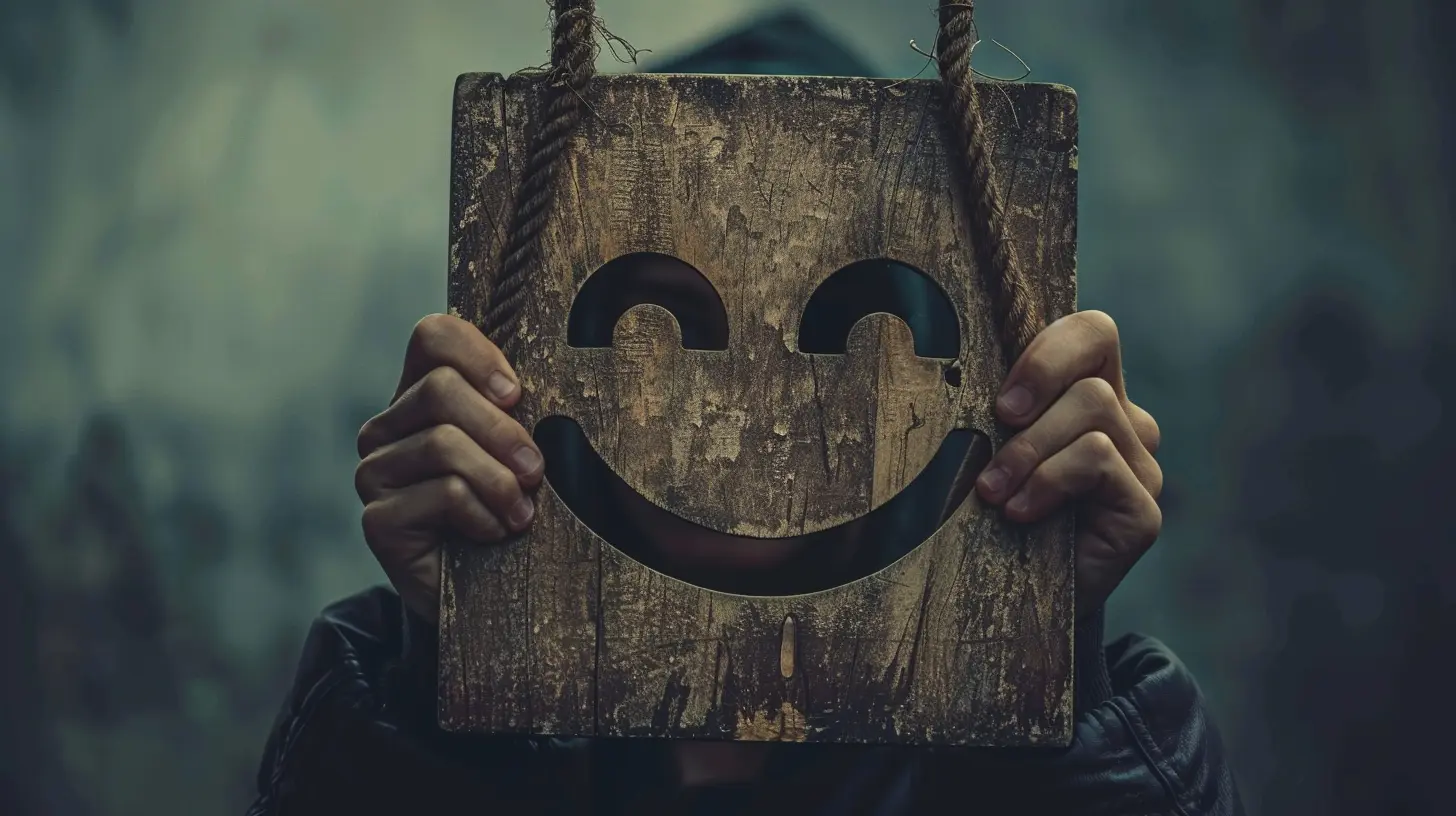
The Vicious Cycle of Emotional Dependency and Low Self-Worth
Here's where it gets tricky. Low self-esteem often leads to emotional dependency, and that dependency reinforces the low self-esteem. It’s like a toxic merry-go-round that keeps spinning.Let me explain.
Step 1: The Need for Validation
When you don’t believe in your worth, you start seeking constant reassurance. You might need your partner to tell you they love you every single day, or feel anxious when your friend doesn’t immediately reply to a text.Step 2: Over-Attachment
Because your sense of worth depends on how others treat you, you may cling tightly to relationships—even toxic ones. You tell yourself, “I can't lose them. Without them, who am I?”Step 3: Loss of Independence
Your identity starts to blur. Instead of living for yourself, you live for someone else’s approval, which only deepens your self-doubt. And just like that, you're back to square one.Scary how fast it snowballs, right?
Why Do Some People Develop Low Self-Esteem?
Let’s be honest—no one’s born hating themselves. So where does it come from?Childhood Experiences
Yep, our early years matter—a lot. If your caregivers were overly critical, emotionally unavailable, or inconsistent, you might have grown up feeling unworthy or invisible.Think of it like building a house. If your foundation (childhood) was cracked, the whole structure (your self-esteem) might feel unstable.
Past Trauma
Emotional abuse, bullying, or failed relationships can leave scars that tell you, “You’re not good enough.” Those lies, if repeated often enough, start to feel like truths.Societal Pressures
Let’s not forget social media, unrealistic beauty standards, and societal expectations. When the world constantly tells you how you should look, act, or succeed, it’s no wonder self-worth takes a hit.The Subtle Signs of Emotional Dependency
It’s not always obvious. Emotional dependency often flies under the radar—until you’re neck-deep in it.Here are a few signs to watch out for:
- You constantly seek reassurance from your partner or friends.
- You fear being alone, even for short periods.
- You change yourself to please others or avoid conflict.
- You feel intense anxiety at the thought of losing a relationship.
- You struggle to make decisions without talking it through with someone else.
- You put their needs above yours, even to your own detriment.
If you recognize yourself in any of these, take a breath. Awareness is the first step toward change.
How Low Self-Esteem Fuels Emotional Dependency
Let’s dig a little deeper into how these two forces feed into each other.You Feel Incomplete Alone
Low self-esteem convinces you that you’re not okay on your own. So, you look for someone else to “complete” you. Sounds romantic? Maybe. But it’s also pretty dangerous. No one can (or should) carry the burden of making you feel okay.You Settle for Less
When you don't think you're worthy of love or respect, you may tolerate unfair treatment in relationships. Boundaries? What boundaries? You fear that speaking up could drive the other person away, and that fear keeps you stuck.You Lose Your Identity
With low self-worth, you start molding yourself to fit what others want. You forget your own goals, likes, or needs. It's like being a chameleon—but at what cost?Building Self-Esteem: The First Step Toward Healthy Independence
Here's the good news—this cycle can be broken. But it starts with you.You don’t need to have sky-high confidence overnight. You just need to start growing seeds of self-worth—tiny, consistent actions that remind you: "I am enough."
1. Start With Self-Awareness
Notice the patterns. When do you feel most insecure? Which people trigger your emotional dependency? Awareness is like turning on the light in a dark room. It changes everything.2. Challenge Negative Self-Talk
We all have that inner critic. But guess what? You don’t have to believe it. Start replacing “I’m not good enough” with, “I’m doing my best, and that’s okay.”3. Take Time Alone (And Learn to Enjoy It)
Spending time alone can feel terrifying at first—but it’s also empowering. Use the time to reconnect with your interests, try solo activities, or simply rest without external input.4. Set Healthy Boundaries
Boundaries aren't walls; they’re bridges to healthier relationships. Start small—like saying no when you're overwhelmed or asking for space when needed.5. Reconnect With Your Passions
What lights you up? Painting, hiking, writing, dancing? Dive into the things that remind you who you are outside of your relationships.Healing Is a Journey, Not a Destination
Let’s be real—it’s not easy work. Healing emotional dependency and building self-esteem takes time. You might stumble or slide back into old patterns—and that’s okay. Progress isn’t linear.Therapy can also be a game-changer. A compassionate therapist can help you untangle the past wounds driving your low self-worth and guide you toward emotionally healthier ways of connecting with others.
Final Thoughts: You Are Enough
At the heart of emotional dependency lies a simple but painful belief: I am not enough unless someone else says I am. But here's the truth—you are already enough. Right now. As you are.You don’t need someone else to fill your emotional cup. You have the power to fill it yourself. And when you start truly believing in your worth, you’ll stop clinging to people out of fear—and start connecting with them out of choice.
You deserve love. You deserve peace. But first, you deserve to love and accept yourself.
all images in this post were generated using AI tools
Category:
Emotional DependencyAuthor:

Gloria McVicar
Discussion
rate this article
1 comments
Uriah McDermott
This article highlights a crucial connection between low self-esteem and emotional dependency. It's interesting how self-worth influences our relationships. Understanding this link can empower individuals to build healthier connections and foster greater self-reliance, ultimately improving emotional well-being.
June 22, 2026 at 5:02 AM
Gloria McVicar
Thank you for your insightful comment. I'm glad you found the connection between self-esteem and emotional dependency compelling. It's an important topic that can lead to positive change.