The Link Between Emotional Growth and Creativity
8 July 2026
Creativity isn’t just about painting a masterpiece or writing a bestselling novel. It’s about solving problems, thinking outside the box, and expressing yourself in unique ways. But did you know that creativity is deeply connected to emotional growth?
Think about it—when you go through emotional struggles, life changes, or even moments of deep reflection, you often find yourself seeing the world differently. This shift in perspective fuels creativity, allowing you to channel emotions into something meaningful. In this article, we’ll dive deep into the connection between emotional growth and creativity, and why nurturing one can significantly boost the other.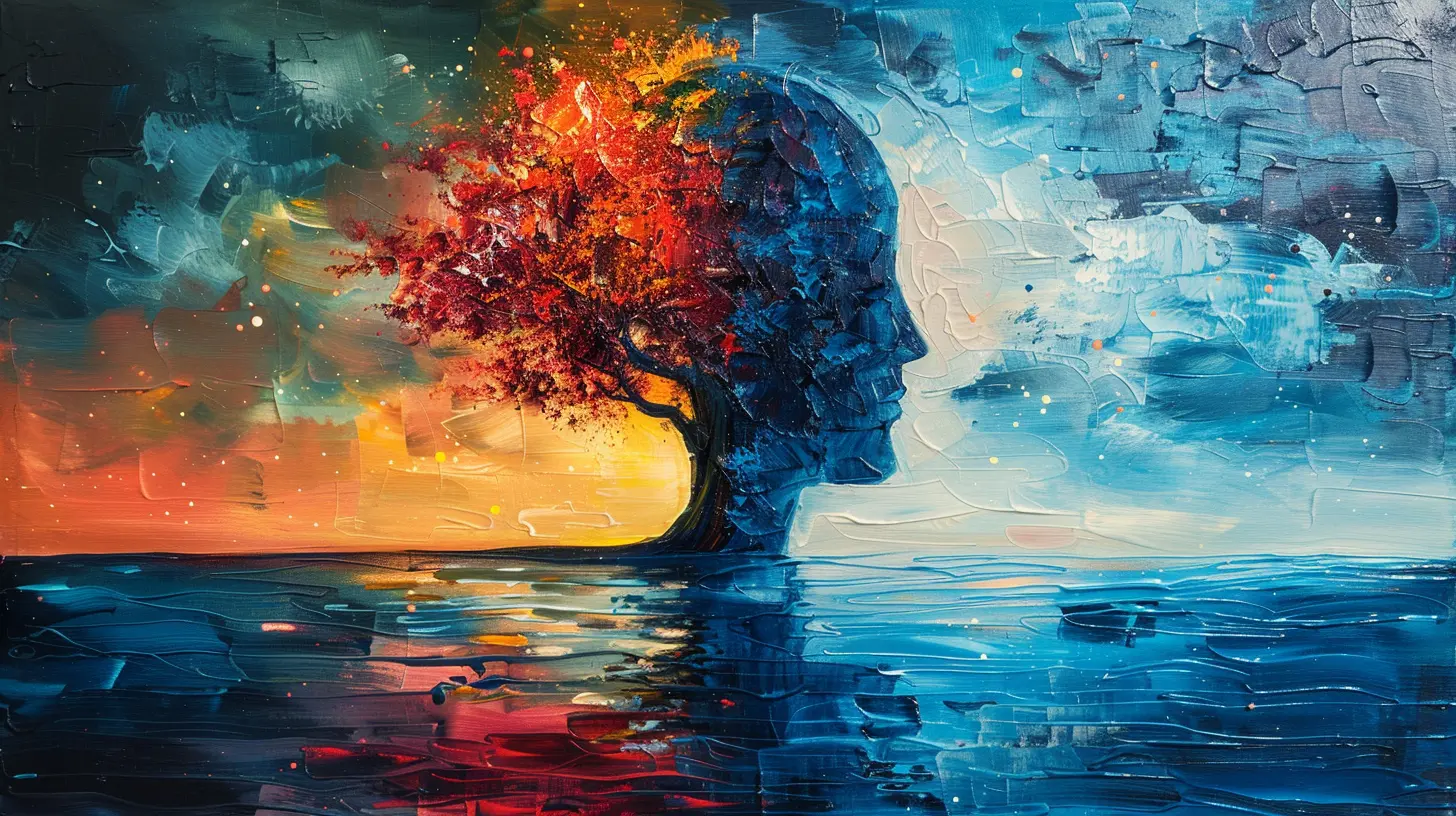
Understanding Emotional Growth
What Is Emotional Growth?
Emotional growth is the process of understanding, managing, and evolving emotionally over time. It’s about learning from experiences, gaining emotional intelligence, and building resilience. Every challenge, heartbreak, or personal success contributes to emotional growth, shaping how we approach life.Signs of Emotional Growth
How do you know you're growing emotionally? Here are some signs:- You respond to difficulties with more patience and understanding.
- You learn from failures instead of letting them define you.
- You express your emotions more freely and healthily.
- You develop stronger empathy for others.
- You become more self-aware and mindful of your thoughts and reactions.
When you experience emotional growth, you gain a deeper understanding of yourself and the world around you. And that’s where creativity comes in. 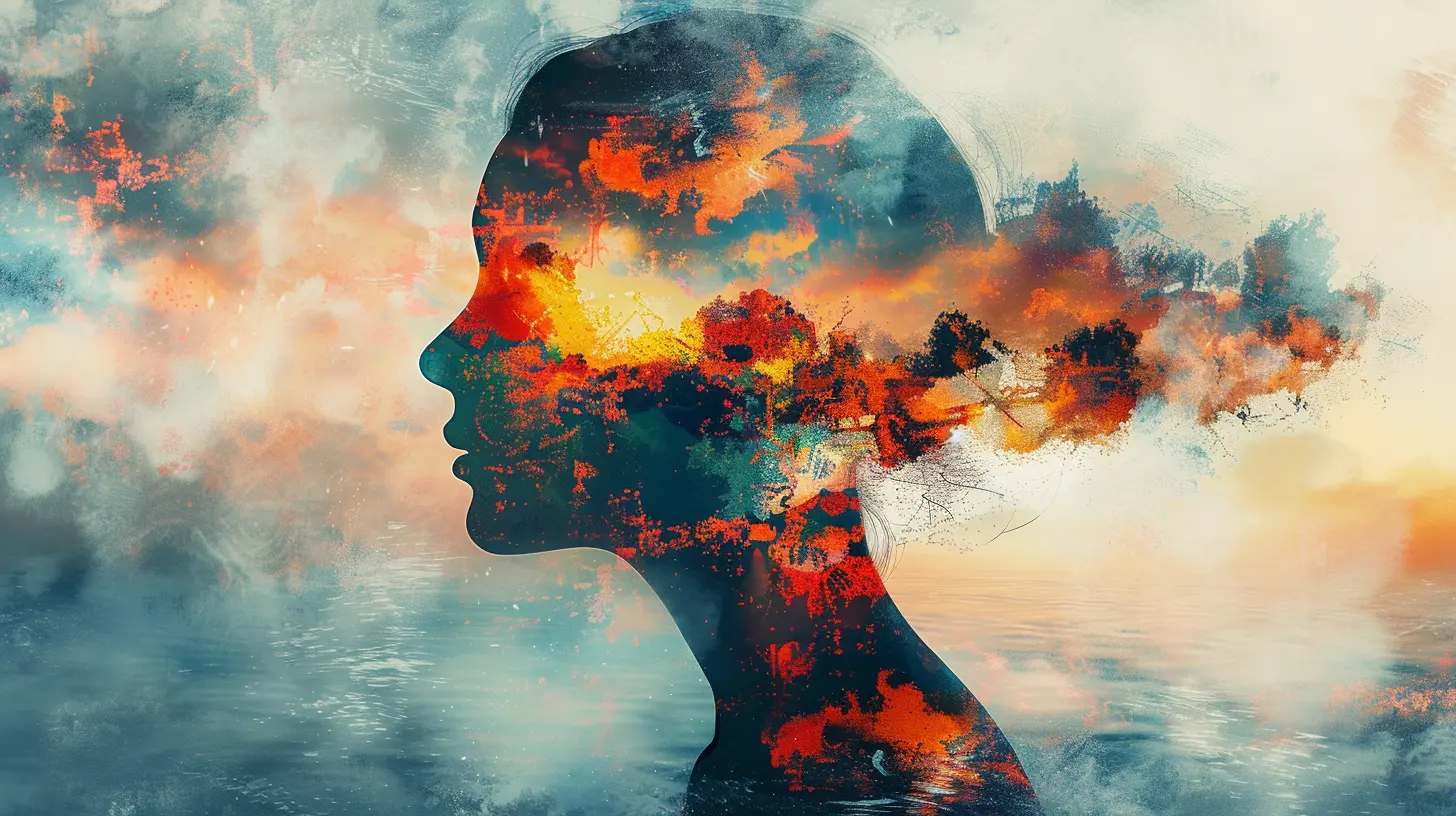
The Role of Emotions in Creativity
Creativity Is More Than Talent
Some people think creativity is something you’re born with, like a natural skill. But creativity is deeply influenced by emotions. Think about some of the greatest artists, musicians, and writers in history—they often create their best work during intense emotional experiences.Emotions fuel creativity, giving people the courage to express themselves in new and innovative ways. Whether it’s through painting, music, writing, or even problem-solving, emotions serve as a powerful driving force.
How Different Emotions Influence Creativity
Not all emotions impact creativity the same way. Here’s how different emotions can influence creative thinking:- Happiness: Feeling happy often sparks curiosity and broad thinking, helping you connect ideas in new ways.
- Sadness: While sadness may feel overwhelming, it can also lead to deep introspection, helping you create meaningful, emotional work.
- Anxiety: A little stress can sometimes push you to think critically and find creative solutions.
- Anger: When processed correctly, anger can lead to passion-driven creative expression, fueling change and innovation.
Instead of avoiding emotions, embracing and understanding them can open up new pathways for creativity. 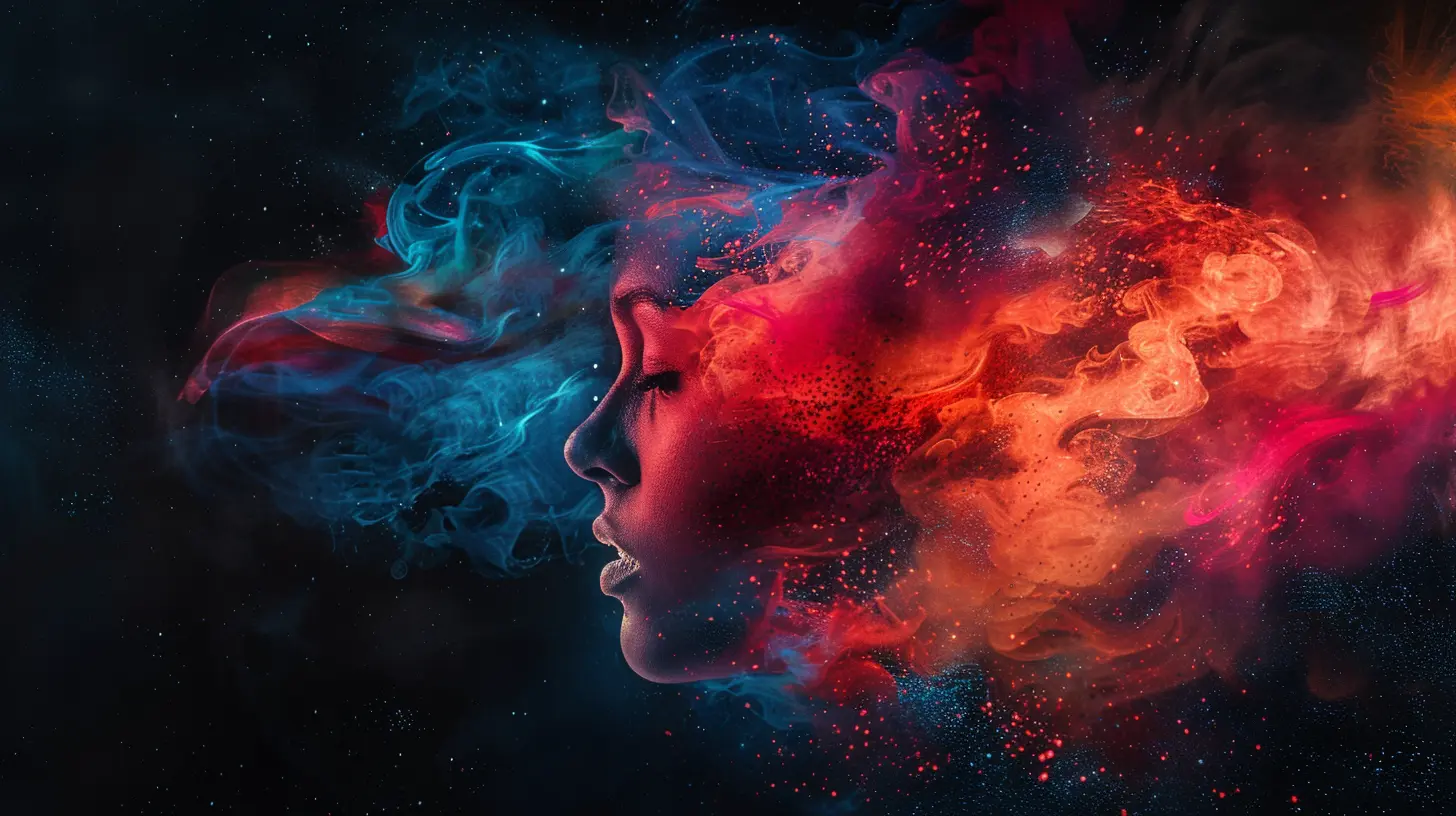
How Emotional Growth Enhances Creativity
1. Deepens Self-Expression
As you grow emotionally, you become more in tune with your feelings and thoughts. This self-awareness allows for stronger creative expression because you’re not afraid to explore your emotions through your work. Whether it’s poetry, painting, or music, emotional growth allows you to create with authenticity.2. Encourages Risk-Taking
Creativity often requires stepping outside of your comfort zone. Emotional growth helps you build confidence and resilience, making it easier to take creative risks without the fear of failure holding you back.3. Improves Problem-Solving Skills
Creativity isn’t just about art—it’s also about finding solutions to problems. People with strong emotional intelligence handle challenges more effectively, thinking creatively to overcome obstacles.4. Helps Process and Heal
Many people use creativity as a way to cope with emotions. Journaling, painting, or even songwriting can help process difficult emotions in a healthy way. Emotional growth teaches you how to channel these feelings constructively, leading to powerful and healing creative expression.5. Strengthens Your Perspective
The more you grow emotionally, the more you understand different viewpoints. This allows for richer storytelling, more innovative ideas, and deeper connections with your audience. Creativity thrives when you can see beyond your own experiences and tap into something universal.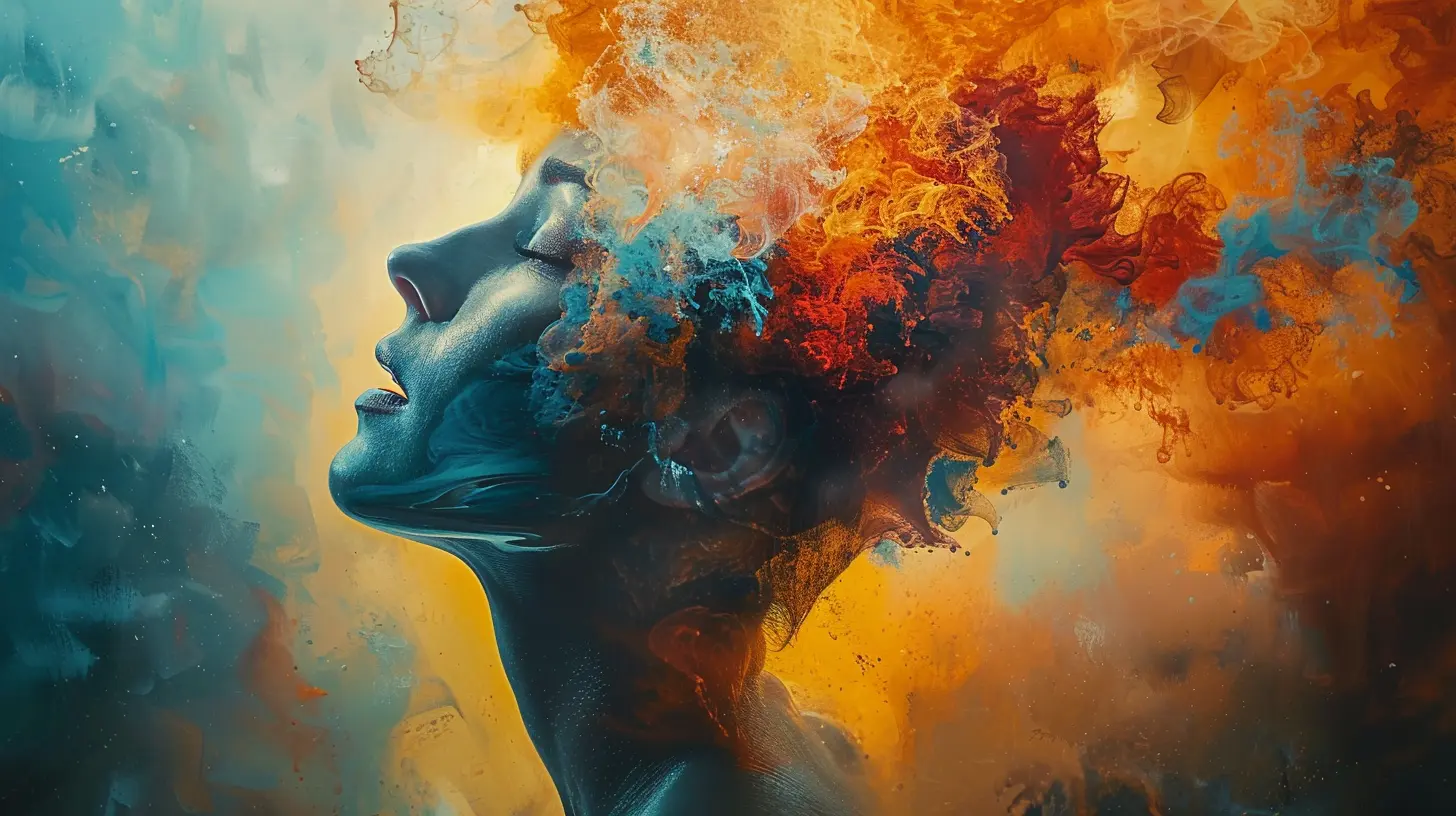
Ways to Cultivate Both Emotional Growth and Creativity
1. Practice Mindfulness
Mindfulness helps you stay present, reducing stress and improving emotional awareness. The more connected you are with your emotions, the more creative you can become. Try meditation, journaling, or even mindful walks to tune into your thoughts and feelings.2. Embrace Your Emotions—All of Them
Don’t shy away from emotions, whether good or bad. Every feeling has a purpose, and when you acknowledge them instead of suppressing them, they can fuel your creativity in unexpected ways.3. Try New Experiences
Stepping out of your routine can spark creativity and emotional growth. Travel to new places, read books outside your usual genre, try new hobbies—anything that challenges you to think differently can help expand your creative mind.4. Use Creative Outlets to Process Feelings
If you're feeling overwhelmed, express yourself creatively. Write, draw, dance—whatever helps you release emotions in a constructive way. The more you engage in creative activities, the more you enhance both emotional and creative growth.5. Surround Yourself with Creativity and Emotionally Mature People
The people around you influence your emotional and creative well-being. Being in environments that nurture emotional intelligence and creativity can help you grow in both areas. Surround yourself with people who inspire you, challenge you, and support your growth.Real-Life Examples of Emotional Growth Fueling Creativity
1. Vincent van Gogh
Despite facing mental health struggles, Van Gogh used his emotions to create some of the most influential paintings in history. His emotional journey translated into vibrant and deeply expressive artwork.2. Maya Angelou
Maya Angelou’s incredible poetry and literature came from her life experiences, transforming emotional pain into powerful and inspiring words.3. Ed Sheeran
Many of Ed Sheeran’s songs are deeply personal, reflecting his emotional experiences. His creativity thrives on his ability to channel emotions into music that resonates with millions.These examples show how emotional growth can lead to some of the most powerful creative expressions.
Final Thoughts
Creativity and emotional growth are like two sides of the same coin. The more emotionally aware and open you become, the more creative you can be. Life isn’t always easy, but every emotion—whether joy, sadness, fear, or excitement—has the potential to spark something incredible.So, embrace your emotions. Use them as fuel for your creativity. Whether you're writing, painting, or finding solutions to everyday problems, remember that your emotional growth is your greatest creative asset.
Next time you feel something deeply, don’t push it away—create something with it. Who knows? That piece of art, song, or idea might just change the world.
all images in this post were generated using AI tools
Category:
Emotional GrowthAuthor:

Gloria McVicar