The Intersection of Mental Health and Disability Rights
27 July 2026
Mental health and disability rights—on the surface, they might seem like two separate conversations. One talks about the emotional and psychological well-being of individuals, while the other speaks to access, equality, and inclusion for people with disabilities. But here’s the truth: they’re deeply connected. In fact, you can’t truly talk about one without bumping into the other.
This article dives into that intersection—where mental health and disability rights meet, overlap, and support each other. We'll walk through how society has approached both topics, the challenges people face when living with both mental health issues and disabilities, and what needs to change so everyone feels seen, heard, and supported.
What Do We Mean by "Disability" and "Mental Health"?
Let’s start by breaking down the basics.We often think of disability as something physical—like using a wheelchair or having limited vision. But disability is so much more than that. According to the World Health Organization, disability includes physical, intellectual, sensory, and mental impairments that, in combination with barriers, may hinder full participation in society.
Mental health issues, like depression, anxiety, bipolar disorder, or schizophrenia, are often considered invisible disabilities. You can’t always see them, but they can significantly impact a person’s day-to-day life, relationships, and work.
Now, not everyone who experiences mental health challenges will identify as disabled. That’s their choice, and it depends on how their condition affects their functioning. But when mental health conditions become chronic and interfere with functioning, they absolutely fall under the disability umbrella.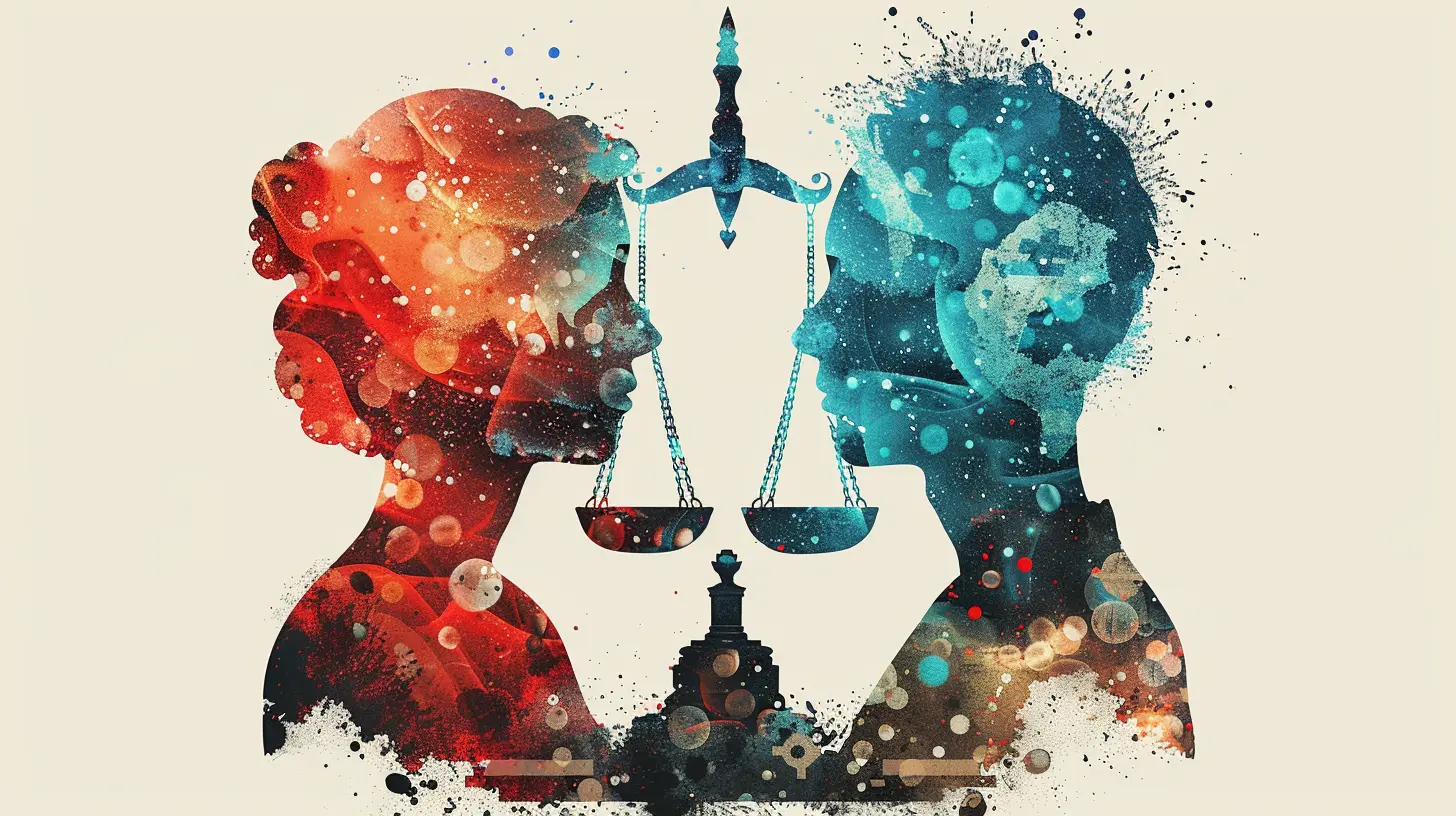
Why Are Mental Health and Disability Rights So Closely Linked?
You know how a Venn diagram has those overlapping circles? Picture one labeled “mental health” and the other “disability rights.” That overlapping middle? It’s full of people whose voices often go unheard.Here’s why they’re intertwined:
- Discrimination and stigma: Whether you're dealing with a physical disability or a mental health condition, you’re likely to face misunderstanding, exclusion, and bias.
- Access to care and support: Mental health services and disability accommodations should go hand-in-hand. But often, people fall through the cracks because systems don’t speak to each other.
- Legal protections: Laws like the Americans with Disabilities Act (ADA) cover mental health conditions, but not everyone knows that. This lack of awareness affects access to workplace accommodations, education support, and more.
- Identity and advocacy: Mental health advocates and disability rights activists often share goals—like breaking down stigma, increasing accessibility, and pushing for equal rights.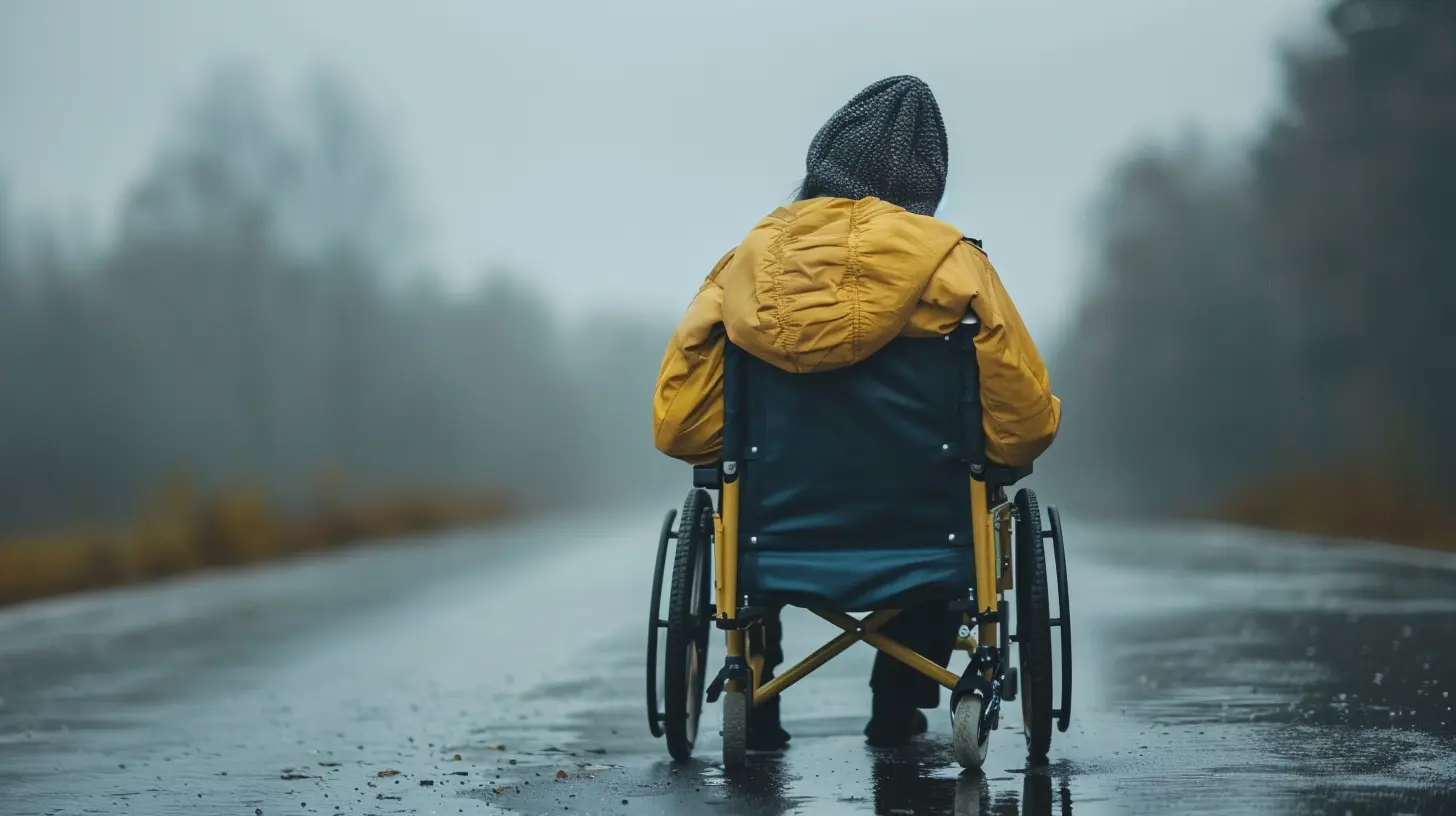
The Legal Side: Mental Illness as a Disability
Let’s talk about laws for a second. We know, legal jargon can feel like a snooze-fest, but bear with us—this matters.Under laws such as the ADA in the U.S., mental health conditions can legally be considered disabilities. That means if you have a psychiatric condition that substantially limits one or more major life activities, you’re entitled to reasonable accommodations.
Think about it this way: If someone with a broken leg can get physical accommodations, someone with an anxiety disorder should get mental health accommodations—like a flexible schedule or space for decompression.
But here’s the catch—people often don’t seek out these accommodations because:
- They don’t know they qualify.
- They're afraid of being labeled or judged.
- Employers or schools don’t know how to provide appropriate support.
So while the laws are there, the practical application often falls short. It’s kind of like having a fire extinguisher but not knowing how to use it during a fire—not very helpful, right?
The Double Whammy: Living with Both Mental Health Challenges and Other Disabilities
Here’s where things get even more complex.Imagine someone with a physical disability who also lives with depression. Or someone on the autism spectrum who experiences intense anxiety. These overlapping conditions can make life a lot more overwhelming, especially when our systems are built for “either-or” support—not “both-and.”
This dual experience often leads to:
- Misdiagnosis: Mental health symptoms may be brushed off as part of the physical or developmental disability.
- Healthcare gaps: Mental health services might not be tailored to people with disabilities. Think therapy clinics that aren’t wheelchair accessible, or practitioners who lack training in neurodivergence.
- Isolation: It’s hard enough managing one condition, let alone navigating a world that's not built for either.
So, people with dual diagnoses often face what experts call "compounded marginalization"—meaning they experience multiple forms of exclusion at once.
Stigma: The Silent Barrier
Let’s be real—stigma is a huge part of the problem. If someone tells you they have a mental health condition, chances are you already have some preconceived ideas. Not because you’re a bad person, but because society has fed all of us a steady diet of fear and misunderstanding.Now add disability into the mix—and the stigma multiplies.
This stigma can lead to:
- Shame and silence
- Employment discrimination
- Poorer health outcomes
- Social exclusion
It’s like trying to walk through a door that’s half-closed. You might squeeze through, but it’s way harder than it should be.
Mental Health and Accessibility: A Two-Way Street
Accessibility isn’t just about ramps and parking spaces. It's about creating environments—physical, emotional, social—where everyone feels they belong.When we talk about mental health and accessibility, we’re asking:
- Are therapy services culturally competent?
- Do workplaces offer mental health days without judgment?
- Are schools providing emotional accommodations, like quiet rooms or social-emotional learning?
Making mental health services accessible means considering:
- Language barriers
- Financial costs
- Transportation issues
- Cultural sensitivity
By the way, mental health professionals also have a role to play here. They need to understand disability rights, trauma-informed care, and how to support clients with intersecting identities.
The Role of Disability Rights Movements
Let’s give credit where it’s due—the disability rights movement has paved the way for much of the progress we see today in mental health advocacy.Remember the phrase “Nothing About Us Without Us”? That came straight from disability advocates demanding to be part of decisions that affect their lives. And it's a powerful message that mental health advocates can adopt too.
Disability rights activism has:
- Pushed for inclusive education
- Fought for workplace accommodations
- Advocated for accessible public spaces
- Raised awareness about ableism
Mental health advocates can learn a ton from this movement—especially the importance of visibility, community, and speaking truth to power.
What Needs to Change?
If we’re going to bridge the gap between mental health and disability rights, we’ve got some work to do. Here’s our wishlist (and hopefully, it becomes a to-do list):1. Rethink Systems of Care
Our healthcare, education, and employment systems need to stop treating mental health and disability as separate silos. Integrated care is the way forward.2. Increase Awareness and Training
More public education, more professional training, and more open conversations about how mental health falls under the disability umbrella.3. Normalize Accommodations
Needing accommodations doesn’t mean someone’s incapable—it means they know what support they need to thrive. That’s a strength, not a flaw.4. Tackle Stigma at the Root
This starts with media representation, school education, and honest discussions in our families and communities.5. Center the Voices of Those Affected
People with lived experience—of mental illness, disability, or both—need to be leading the charge. Policies, programs, and services should be built with them, not just for them.How Can You Make A Difference?
Feeling fired up but not sure where to start? Here are a few small but meaningful steps:- Talk openly about mental health and disability. The more we normalize the conversation, the more we reduce stigma.
- Support inclusive businesses and organizations that champion mental health and disability rights.
- Vote for policies and leaders that prioritize healthcare access and disability protections.
- Educate yourself—and others. Read books, attend events, or join local advocacy groups.
- Listen. Sometimes, the best way to help is by just holding space for someone’s story.
Final Thoughts: Breaking Down the Walls
When we silo mental health from disability rights, we miss the bigger picture—and we leave people behind. But when we bridge the gap, we create a more compassionate, accessible, and just world.So let’s not draw lines between mental health and disabilities. Instead, let’s build a table where everyone gets a seat. That’s where change starts.
No one should have to fight multiple battles just to be seen, heard, and supported. The sooner we recognize the intersection of mental health and disability rights, the sooner we can start creating real, lasting change.
all images in this post were generated using AI tools
Category:
Mental Health AdvocacyAuthor:

Gloria McVicar