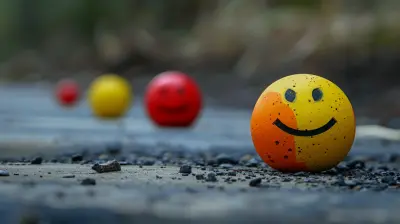
The Importance of Play for Adults: Boosting Mental Wellness Through Fun
17 July 2026
Let’s face it—adulting is exhausting. Between paying bills, endless Zoom calls, and figuring out if that "weird noise" your car is making means financial doom, the idea of play seems like a lovely, distant memory from childhood. You know, back when "adult supervision" was the only thing standing between you and a full-blown glitter explosion.
But here’s the twist: what if I told you that play isn’t just for kids with sticky hands and scraped knees? What if it’s the magic pill your tired, over-caffeinated adult brain has been desperately craving?
Let’s jump headfirst into the ball pit of grown-up play and why it’s absolutely essential to your mental health. Spoiler alert: You might actually enjoy yourself. (Yes, it’s allowed.)
Wait, Adults Need to Play? Are We Talking About Tag or Taxes?
Alright, before you roll your eyes and mutter, "I don’t have time to play—I have responsibilities!" let me stop you right there. We’re not suggesting you abandon your job, adopt seven cats, and join a treehouse commune (tempting though, right?).We're talking about real, grown-up play: activities that are fun, often pointless (in the best way), and make you forget about your email for 10 glorious minutes.
And no, doom-scrolling Instagram while stress-eating trail mix doesn't count.
Let's Define This Mysterious "Play"
Play, in its purest form, is doing something just for the joy of it. No deadlines. No to-do lists. No performance reviews. Just pure, unadulterated fun.For adults, play can look like:
- Playing board games with friends (yes, losing at Monopoly still counts)
- Dancing in your kitchen like you’re auditioning for a music video
- Building LEGO sets because instruction manuals spark joy
- Learning to juggle, paint, or master the ukulele
- Running around with your dog like you both have zero sense of shame
Basically, play is anything that gets you out of your overthinking brain and into the moment.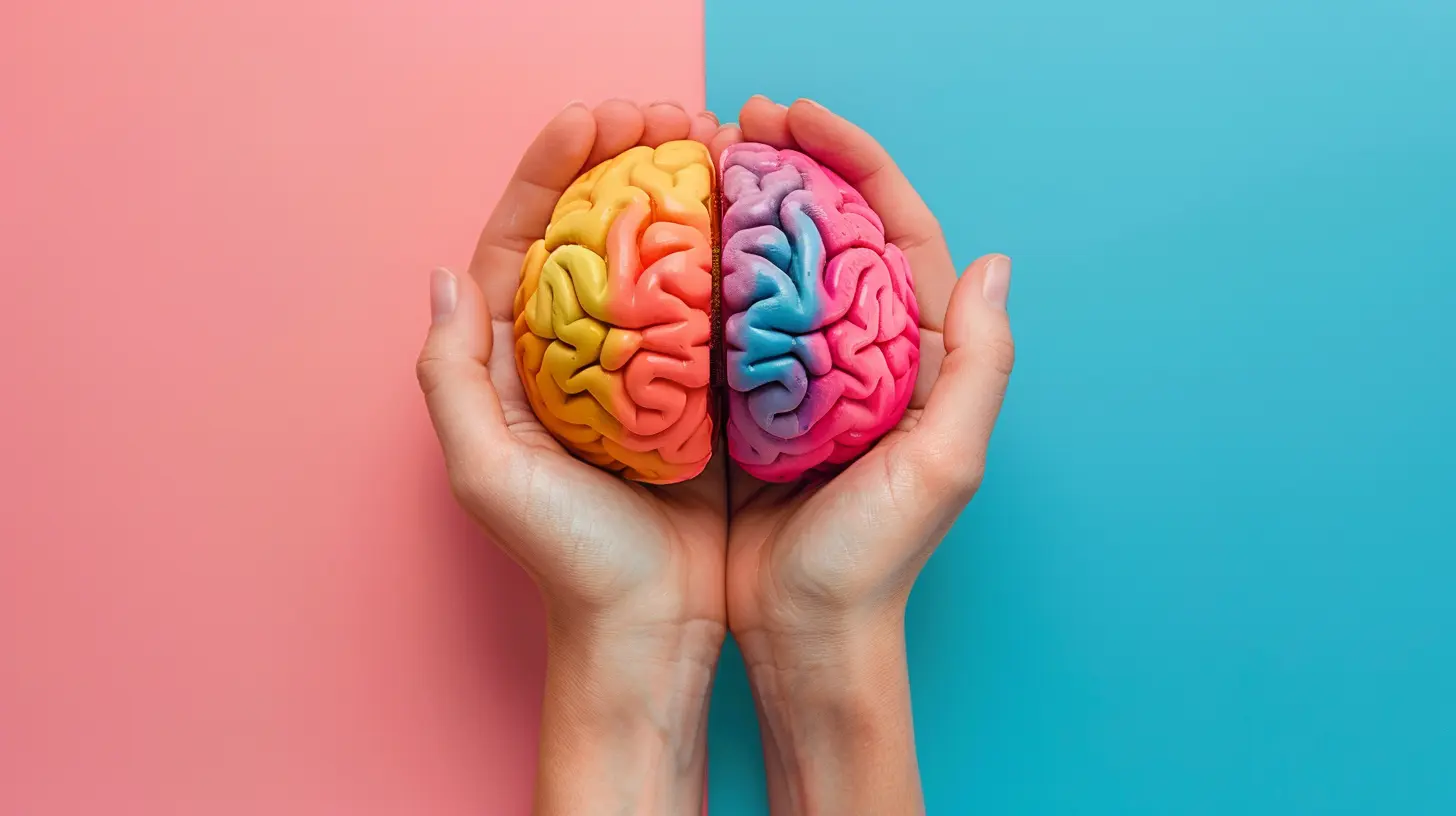
The Science-y Bit: Why Play Works Wonders on Your Brain
Here’s where it gets spicy: psychologists and neuroscientists have actually studied the benefits of play. And guess what? Your brain is basically throwing a party every time you engage in playful behavior.🎉 Dopamine boost? Check.
🧠 Neural growth? Oh yeah.
💪 Lower stress levels? You bet.
❤️ Increased emotional resilience? Absolutely.
Play activates the brain’s reward center, lowers cortisol levels (aka the stress hormone), and even helps improve cognitive flexibility. You know, that thing you need when life throws you a curveball and you’d rather not lose your mind.
But Aren’t Adults Supposed to Be Serious?
Oh, sure. Serious. Responsible. Stiff as an unpaid parking ticket. Society loves to tell us we should grow up, act our age, and leave the silliness behind with our Lisa Frank notebooks.But guess what? That mindset is why so many adults are burned out, anxious, and wondering why their life feels like Groundhog Day with slightly more caffeine.
Play is the antidote to obligation. It’s rebellion with glitter. It’s the grown-up version of saying, “Screw it, I’m going to finger-paint.”
The Psychological Benefits of Grown-Up Play (aka Mental Health Glow-Up)
You probably already guessed that play makes you feel good. But let’s break it down like we’re in a Buzzfeed listicle—because your mental health deserves a PR makeover.1. Bye, Bye Burnout
Burnout isn’t just an overused buzzword—it’s a full-on mental dumpster fire. Working endlessly without breaks or joy wears you down. Play acts like an emotional reset button, injecting fun back into your dry, spreadsheet-filled life.2. Hello, Creativity
Ever wonder why your most brilliant ideas hit you in the shower or mid-doodle? That’s the power of a relaxed, playful mind. When you're not forcing productivity, your brain gets to stretch its creative legs.3. Better Relationships
Playing together builds trust, deepens connection, and brings out the kind of laughter that makes you snort. Whether it’s game night, improv classes, or just a ridiculous dance party, shared play strengthens your social bonds.4. Mood Booster Extraordinaire
Play has been shown to help combat depression and anxiety. It gives your brain a chance to experience joy, something many adults forget to prioritize. Who knew joy was the unpaid intern of emotional wellness?5. Resilience for Days
Playing teaches you to take risks, laugh at failures, and try again. Translation: you become way more emotionally buff when life throws tantrums. Think of it as squats for your soul.Types of Playtailored for Adults (Because Hopscotch Isn’t for Everyone)
Let’s get practical—what counts as play for fully-grown humans? Anything that lights you up and makes time disappear. Here’s a buffet of possibilities:🎭 Creative Play
- Painting, drawing, sculpting- Playing an instrument (yes, even if you're terrible)
- Writing short stories or poetry
- DIY projects or Pinterest crafts that may or may not turn out like a nailed-it meme
🎲 Social Play
- Trivia nights- Game nights
- Virtual escape rooms (hey, 2020 gave us something good)
- Improv or acting classes
🏃♂️ Physical Play
- Dance classes (pole fitness counts, thank you)- Hiking with friends
- Rock climbing, parkour, or chasing your dog through a field like a maniac
- Adult sports leagues (yes, dodgeball for adults is real and amazing)
🧠 Mental Play
- Puzzles and brain teasers- Video games (yes, your Xbox addiction can count as self-care)
- Reading fiction just for fun
- Learning a new, useless skill that makes you giggle
"I Don’t Know How to Play Anymore” — Said Every Burnt-Out Adult Ever
If you’re thinking, “I haven’t played in years. What even is fun anymore?”—you are not alone, my friend. The Play Police aren’t going to bust down your door because you forgot how to enjoy things.Start small. Pay attention to what used to make you laugh as a kid. What activities made you lose track of time? Start there. Experiment like a scientist in a candy store.
Pro tip: If it makes you grin or feel kind of silly, you’re on the right track.
How to Make Time for Play (Even When You’re “Too Busy” Being Important)
We get it. You’ve got meetings, laundry, errands, and existential crises to attend to. But if you’re too busy to play, you’re too busy—period.Here’s how to sneak play into your adult life without blowing up your Google Calendar:
- Schedule it like a dentist appointment (but, you know, less terrifying)
- Involve other people—a play buddy makes it easier to commit
- Pair it with habits—dance while brushing your teeth, doodle during meetings (just say it’s “note-taking”)
- Treat it like self-care, because shocker: it is.
Common Myths About Adult Play—Let's Bust 'Em
Because nothing ruins the party like misinformation.Myth #1: Play is childish
Reality: Play is ageless. The need for joy, connection, and creativity doesn’t magically disappear when your student loans kick in.Myth #2: Play is unproductive
Reality: Play boosts productivity by reducing mental exhaustion and reigniting creative thinking. So, go ahead—doodle like it’s your job.Myth #3: I’ll look stupid
Reality: Newsflash—everyone looks stupid sometimes. The real question is: are you having fun while doing it?Still Not Convinced? Imagine This…
Let’s say you start integrating a little play into your boring adult life. You:- Laugh more than you cry at work (progress!)
- Actually look forward to weekends
- Find joy in small things, like splashing in puddles or throwing a frisbee
- Sleep better, stress less, and stop yelling at your printer
Sounds nice, right? That’s the power of play.
Final Thoughts: Play Is Not Optional—It’s Essential
Look, life is serious enough. There are taxes, dental visits, and group chats with 47 unread messages. But somewhere along the way, we stopped prioritizing joy like it was a critical vitamin.Playing isn’t a time-waster—it’s a mind-healer. It’s emotional CrossFit. It’s permission to be human amid a world that constantly asks us to be “productive.”
So go ahead. Build a pillow fort. Start a water balloon fight. Sing into your hairbrush like you're headlining a concert. Your mental health will thank you—and your inner child will probably throw confetti.
all images in this post were generated using AI tools
Category:
Mental WellnessAuthor:

Gloria McVicar