The Importance of Mental Health Education for All Ages
3 June 2026
Mental health. It’s a phrase we’ve all heard tossed around, whether on social media, TV shows, or in conversations. But how often do we actually stop and think about what it really means—and why it should be taught just like math or reading? Mental health education isn’t just a trend or a buzzword. It’s a necessity, and not just for teenagers or adults. It matters from the time we’re kids all the way into our golden years.
In this article, we’re diving deep into why mental health education for all ages is not only important—but essential. We’ll unpack common misconceptions and shine a light on the benefits of teaching emotional intelligence, coping skills, and resilience early on. Ready to get into it?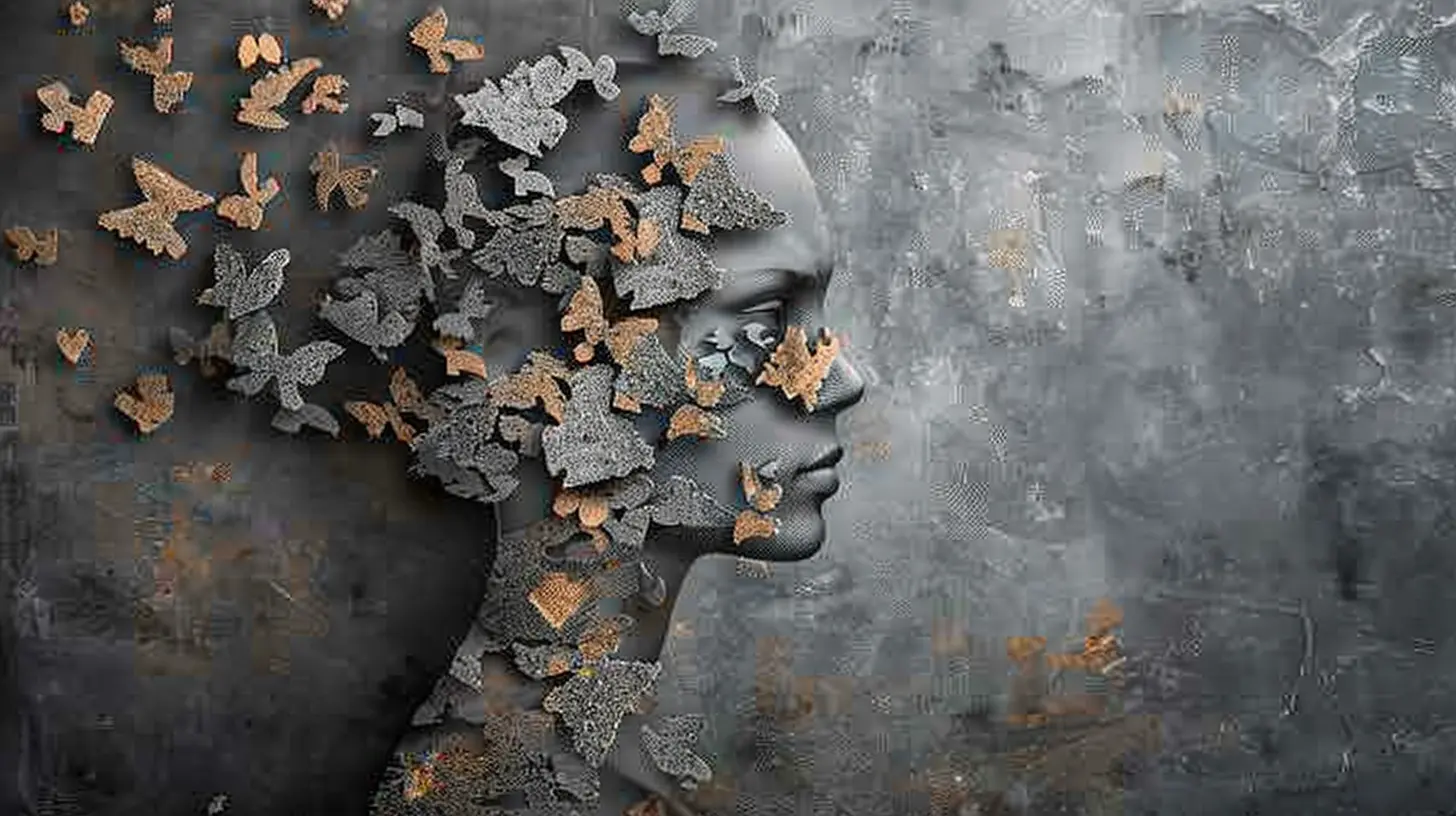
What Is Mental Health Education, Anyway?
Let’s simplify it. Mental health education is just teaching people how their minds work, how emotions function, how to manage stress, and how to be emotionally well. Think of it as mental fitness training—except instead of hitting the gym, you’re learning how to spot anxiety, understand depression, or support someone going through a hard time.It’s about awareness, acceptance, and action. Just like we learn about nutrition for physical health, we need to learn about mental wellness too.
Why Starting Young Is Key
Imagine this. A young boy gets overwhelmed easily and lashes out in class. Teachers call it misbehavior, but what if he's experiencing anxiety? Without mental health education, he doesn't even have the words to explain how he feels.When kids learn about mental health early, they’re more likely to:
- Understand their emotions
- Communicate better with peers and adults
- Develop healthy coping mechanisms
- Know when and how to ask for help
Starting young builds a solid foundation. Kids don’t magically learn to cope with stress when they turn 18. It needs to be taught, just like learning to ride a bike or tie shoelaces.
Teenagers Are Not Just “Moody”
You remember being a teen, right? Hormones everywhere, friendships changing, pressure from school—it’s a lot. Teens often get dismissed as being dramatic or overly emotional. But what if they’re battling depression or chronic anxiety?Mental health education at this stage is crucial. Teenagers are at high risk for mental health issues like:
- Depression
- Anxiety disorders
- Eating disorders
- Substance abuse
When they understand their mental and emotional world, they’re empowered. They feel less isolated. They can spot red flags in themselves and others. It becomes easier to talk about emotions without shame. And that, my friend, is a game-changer.
Adults Need It, Too (Yes, Even You)
Now, you might be thinking, “I’m an adult, I’ve made it through life this far—I don’t need mental health education.”But let’s be honest: How many of us were actually taught how to handle grief, burnout, or panic attacks? How many of us can recognize the early signs of chronic stress or emotional numbness?
Mental health education for adults:
- Promotes healthier workplaces
- Reduces family conflict and improves relationships
- Helps parents model emotional intelligence for their kids
- Encourages early detection and prevention of mental health issues
It’s never too late to learn. Whether you're 25, 45, or 75—your mental wellness matters.
The Elderly Are Often Forgotten
Older adults are often living with isolation, chronic illness, or the grief of losing friends and family. And yet, their mental health is rarely discussed.It’s a myth that mental illness is just a normal part of aging. It’s not. Mental health education for seniors helps them:
- Recognize symptoms of depression or dementia
- Stay socially connected
- Find purpose and meaning in later life
- Access care without stigma
We need to make sure our elders feel seen, heard, and supported—not invisible.
The Role of Schools, Workplaces, and Communities
Creating a mentally healthy society isn’t a one-person job. Schools, workplaces, and communities all have big roles to play.In Schools:
- Incorporate emotional learning into the curriculum- Train teachers to identify mental health concerns
- Offer accessible counseling services
In Workplaces:
- Provide mental health days- Offer workshops on stress management
- Foster open conversations around burnout
In Communities:
- Organize support groups- Reduce stigma through public education campaigns
- Make mental healthcare accessible and affordable
When everyone chips in, real change happens.
Breaking the Stigma, One Conversation at a Time
Let’s face it—talking about mental health has historically been taboo. It’s been shoved under rugs, hidden behind smiles, and brushed off with “You’ll be fine.”Mental health education helps break that cycle. The more we talk about it, the more normal it becomes. And when it’s normalized, people are more likely to seek help.
Think of stigma like a fog. And education? It’s the sunlight that burns it away.
The Science Doesn’t Lie: Education Works
So, is there proof that mental health education actually works? Absolutely.Studies have shown that mental health literacy is directly linked to early intervention, better coping strategies, and lower suicide rates. Kids who are taught emotional regulation in school tend to perform better academically and socially. Adults who receive mental health training in the workplace report lower stress and better job satisfaction.
In short: knowledge is power. And when it comes to mental health, it can literally be life-saving.
Barriers to Mental Health Education (And How to Overcome Them)
We’d be lying if we said it was all smooth sailing. There are still some big roadblocks:- Stigma: Many people still see mental health as weakness.
- Lack of Resources: Especially in underserved communities, mental health services are scarce.
- Cultural Beliefs: Mental illness may be misunderstood or denied in certain cultures.
- Educational Gaps: Some schools and organizations simply don’t prioritize it.
But we can start small:
- Talk openly with family and friends.
- Support mental health programs in your community.
- Advocate for policy changes and better funding in education and healthcare.
Every effort counts.
Mental Health Isn't Optional—It's Essential
Let’s stop treating mental health as something “nice to have” and start treating it like what it is: absolutely essential.You wouldn’t wait for someone to have a heart attack before teaching them about heart health, right? So why wait until someone’s in crisis before talking about mental health?
Whether it’s teaching a kindergartener how to express sadness, guiding a teen through anxious thoughts, helping an adult handle burnout, or supporting a senior through loss—mental health education has a lifelong impact.
It’s time to stop whispering about mental health and start yelling about it—in schools, in workplaces, in homes. Loud, proud, and informed.
Final Thoughts: The Ripple Effect of Awareness
Mental health education is more than a class or a seminar. It’s a ripple effect. One educated child can change how their friends think. One informed parent can raise emotionally intelligent kids. One supportive employer can create a domino of workplace wellness.We all have mental health, just like we all have physical health. You wouldn’t skip brushing your teeth—so don’t skip checking in on your mind.
So, let’s make sure mental health education isn’t an afterthought. Let’s make it a core part of how we grow, connect, and thrive—at every age.
all images in this post were generated using AI tools
Category:
Mental Health AdvocacyAuthor:

Gloria McVicar
Discussion
rate this article
1 comments
Carmen Myers
Crucial for lifelong well-being.
June 14, 2026 at 3:16 AM
Gloria McVicar
Absolutely, mental health education lays the foundation for healthier lives and better coping strategies at every stage.