The Different Faces of Schizophrenia: Myths and Facts
6 December 2025
When you hear the word "schizophrenia," what comes to mind? Maybe you picture someone talking to themselves in a busy street or imagine a person with a "split personality." If that's the case, you're not alone—but here's the thing: most of those ideas are flat-out wrong.
Schizophrenia is one of the most misunderstood mental illnesses out there. Despite how far we've come in terms of mental health awareness, there's still a lot of confusion, stigma, and fear surrounding this complex condition. In this article, we’re going to strip away the myths, lay down the facts, and talk about the many faces of schizophrenia—because it’s not a one-size-fits-all diagnosis.
So, grab a cup of coffee (or tea, no judgment here) and let’s dive in.
What Is Schizophrenia, Really?
Schizophrenia is a chronic brain disorder that affects how a person thinks, feels, and behaves. It’s not some Hollywood-style drama where someone turns into a completely different person. Instead, it’s more like watching a TV where the picture is fuzzy, the sound is glitchy, and the remote doesn't always work—frustrating, unpredictable, and exhausting.This mental illness often starts quietly in the late teens to early 30s and affects about 1 in 100 people globally. That might not sound like much, but in a world of over 8 billion, that's millions of people living with it every day.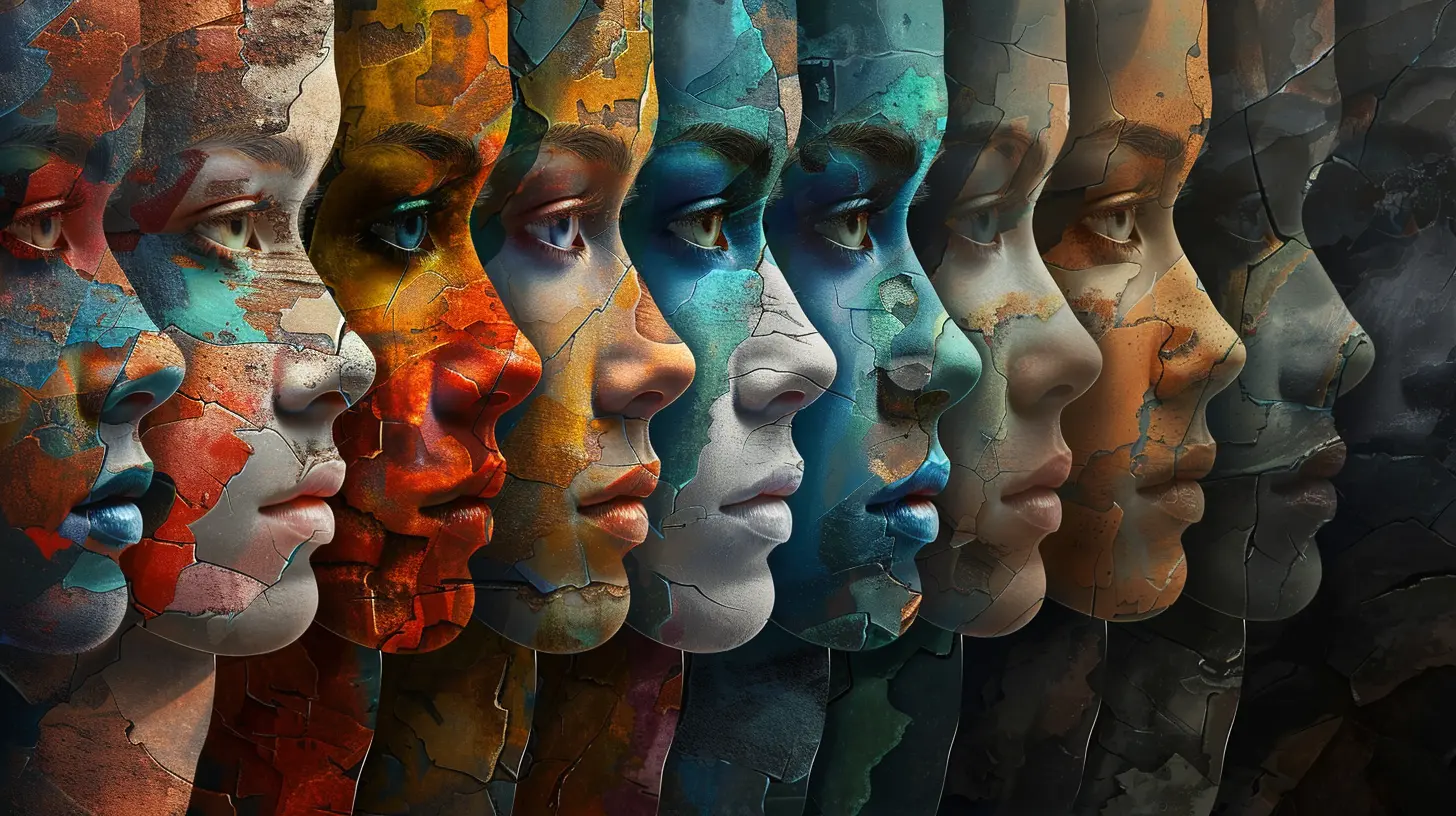
Myth #1: Schizophrenia Means “Split Personality”
Let’s get this one out of the way, fast and hard—schizophrenia is NOT the same as multiple personality disorder (now called Dissociative Identity Disorder). While the media loves to mesh the two together, they are totally different conditions.Schizophrenia mainly causes disruptions in thought, perception, and emotional responsiveness—not identity switching. The “split” in schizophrenia refers more to a split from reality, not a split in personality. Think of it like trying to tune into the right radio frequency and constantly getting static.
Myth #2: People With Schizophrenia Are Violent
This myth is not only false, it’s harmful. Statistically, individuals with schizophrenia are more likely to be victims of violence than perpetrators. Imagine trying to make sense of a world that feels like it's constantly lying to you, or hearing voices telling you you're worthless—violence is usually not even on the radar.Yes, there are rare but tragic exceptions—like with any group of people—but painting everyone with the same brush only fuels stigma and fear. And that stigma? It keeps people from seeking help when they need it most.
The Many Faces of Schizophrenia
Schizophrenia doesn’t wear just one mask—it’s a spectrum. No two people experience it in exactly the same way. The symptoms are usually divided into three buckets:1. Positive Symptoms
No, “positive” doesn’t mean good. In this context, it means “added” behaviors or experiences that aren't typically present in healthy individuals.- Hallucinations: Most commonly hearing voices, but can include sensory experiences that feel real—even though they're not.
- Delusions: Strongly held beliefs that aren’t based in reality (like thinking someone is spying on you or believing you have superpowers).
- Disorganized thinking: Thoughts can be jumbled and hard to follow, making speech incoherent at times.
2. Negative Symptoms
This refers to things that are missing—emotions, motivation, social interaction.- Apathy or lack of emotion
- Reduced speaking or communication
- Social withdrawal
It’s like the world turns grayscale emotionally, and connecting with people feels like trying to swim through quicksand.
3. Cognitive Symptoms
These can be the most disabling part of schizophrenia, even if they're less visible.- Trouble with memory
- Difficulty focusing
- Poor executive functioning (basically, trouble planning and organizing)
Living with these symptoms can feel like trying to juggle ten balls while blindfolded… on a unicycle.
Myth #3: Schizophrenia Can’t Be Treated
Not true. While it’s a lifelong condition, treatment can drastically improve quality of life. Think of it like managing diabetes or high blood pressure—you may not be able to cure it, but with the right tools and support, you can live well.Treatment often includes:
- Medication: Typically antipsychotics to help manage symptoms
- Therapy: Especially cognitive behavioral therapy (CBT)
- Social support: Peer groups, community programs, and family involvement
- Lifestyle management: Nutrition, sleep, stress reduction, and exercise
Recovery looks different for everyone. Some people might need more support, others less. But "recovery" doesn't always mean zero symptoms—it can mean learning how to live a fulfilling life even with symptoms.
The Role of Early Intervention
Here’s the kicker: The earlier schizophrenia is diagnosed and treated, the better the outcomes tend to be. That’s why recognizing the early signs is crucial.These can include:
- Subtle changes in thinking or mood
- Withdrawing from friends and family
- Strange or unusual beliefs
- Trouble concentrating or making decisions
- Suspiciousness or paranoia
Unfortunately, because the early signs can be vague and overwhelming, many people don’t get help until the illness has progressed significantly.
Myth #4: People With Schizophrenia Can't Lead Normal Lives
Let me bust that myth wide open.People with schizophrenia can go to school, have relationships, work jobs, and live independently. Sure, they might need some accommodations or extra support—but don’t we all at some point?
There are countless stories of individuals with schizophrenia who are artists, writers, professors, tech professionals, or community leaders. What they need is understanding, not pity. Compassion, not isolation.
Schizophrenia in Pop Culture: More Harm Than Good?
Unfortunately, films and TV shows often show a twisted version of schizophrenia. Characters are often portrayed as dangerous, bizarre, or terrifying. Think about movies like “Split” or “Psycho”—terrible representations that further entrench stereotypes.This portrayal leads to fear, discrimination, and shame. And that shame? That’s what keeps people silent.
Imagine if we portrayed people with diabetes as dramatic villains—how ridiculous would that be? Mental illness deserves the same nuance and compassion.
Living With Schizophrenia: A Personal Perspective
If you’ve made it this far, you might be wondering—what’s it really like to live with schizophrenia?Many describe it as living in two realities at once—one shared with everyone else, and another that only they can see or hear. It can be lonely. Confusing. Terrifying at times.
But it can also be filled with moments of clarity, connection, and strength.
One person once shared, “Sometimes the voices are cruel, but sometimes, they’re just lonely too.” That level of self-awareness? It’s incredibly powerful.
People with schizophrenia are not broken. They are dealing with something that demands both grace and grit—something most of us couldn't even begin to imagine.
Supporting Someone With Schizophrenia
If someone you know is living with schizophrenia, your role can be critical. Here’s how you can help:- Educate Yourself: The more you know, the less you'll fear.
- Be Patient: Healing isn’t linear. There will be ups and downs.
- Listen Without Judgment: Sometimes, they just need someone to sit with them in the darkness.
- Encourage Treatment: Gently guide them toward professional help.
Don’t try to "fix" them. You’re there to support, not to solve.
Schizophrenia Doesn’t Define a Person
Let’s be real. Schizophrenia is tough. But it doesn’t have to be a life sentence of isolation or despair.People with schizophrenia are friends, siblings, coworkers, artists, thinkers, and dreamers. Their illness is part of them—but it’s not all of them.
We need to replace fear with empathy. Trade stigma for support. And most importantly, swap myths with facts.
Because at the end of the day, we’re all just trying to navigate the static—and a little understanding can go a long way.
Final Thoughts
Schizophrenia doesn’t wear one face. It wears many—and they’re all real, human, and deserving of respect and empathy. The more we talk about it honestly, the more we tear down the walls of stigma.So next time someone casually throws around the word "schizo" or makes a joke about hearing voices—pause. Educate. Speak up.
Because changing the world’s view of mental illness starts with open conversations. And you? You're already part of the change just by reading this.
all images in this post were generated using AI tools
Category:
Mental IllnessAuthor:

Gloria McVicar
Discussion
rate this article
1 comments
Berenice Jones
Understanding schizophrenia is crucial for compassion and support. Let's break the stigma together, embracing diverse experiences while empowering those affected with knowledge and empathy. Change starts here!
December 10, 2025 at 4:44 AM
Gloria McVicar
Thank you for your thoughtful comment! Embracing understanding and compassion is essential in supporting those affected by schizophrenia and challenging stigma. Together, we can foster empathy and awareness.