Steps to Overcome Emotional Dependency for Good
17 August 2026
Ever feel like your happiness hinges on someone else? Like your world crumbles when they’re not around, or their approval feels like oxygen? You, my friend, might be dealing with emotional dependency. But don’t worry—you’re not alone, and better yet, you can break free!
Emotional dependency is like being on a rollercoaster that someone else is controlling. One minute, you’re soaring high, the next, you're in a gut-wrenching plunge… and you didn’t even choose the ride! The key to emotional freedom? Learning to steer your own emotional ship.
So, let’s dive into the steps to overcome emotional dependency for good. 
🚀 What is Emotional Dependency?
Before we tackle the solution, let’s define the problem. Emotional dependency happens when your sense of self-worth, happiness, and emotional stability are tightly wrapped around another person. It could be a partner, a friend, or even a family member.Signs you might be emotionally dependent:
- You feel anxious or empty when alone
- You constantly seek reassurance from others
- You fear abandonment to an extreme level
- You struggle to make decisions on your own
- You sacrifice your needs to please someone else
Sound familiar? Don’t worry, you’re not doomed! Breaking free from emotional dependency is absolutely possible, and it starts with these steps. 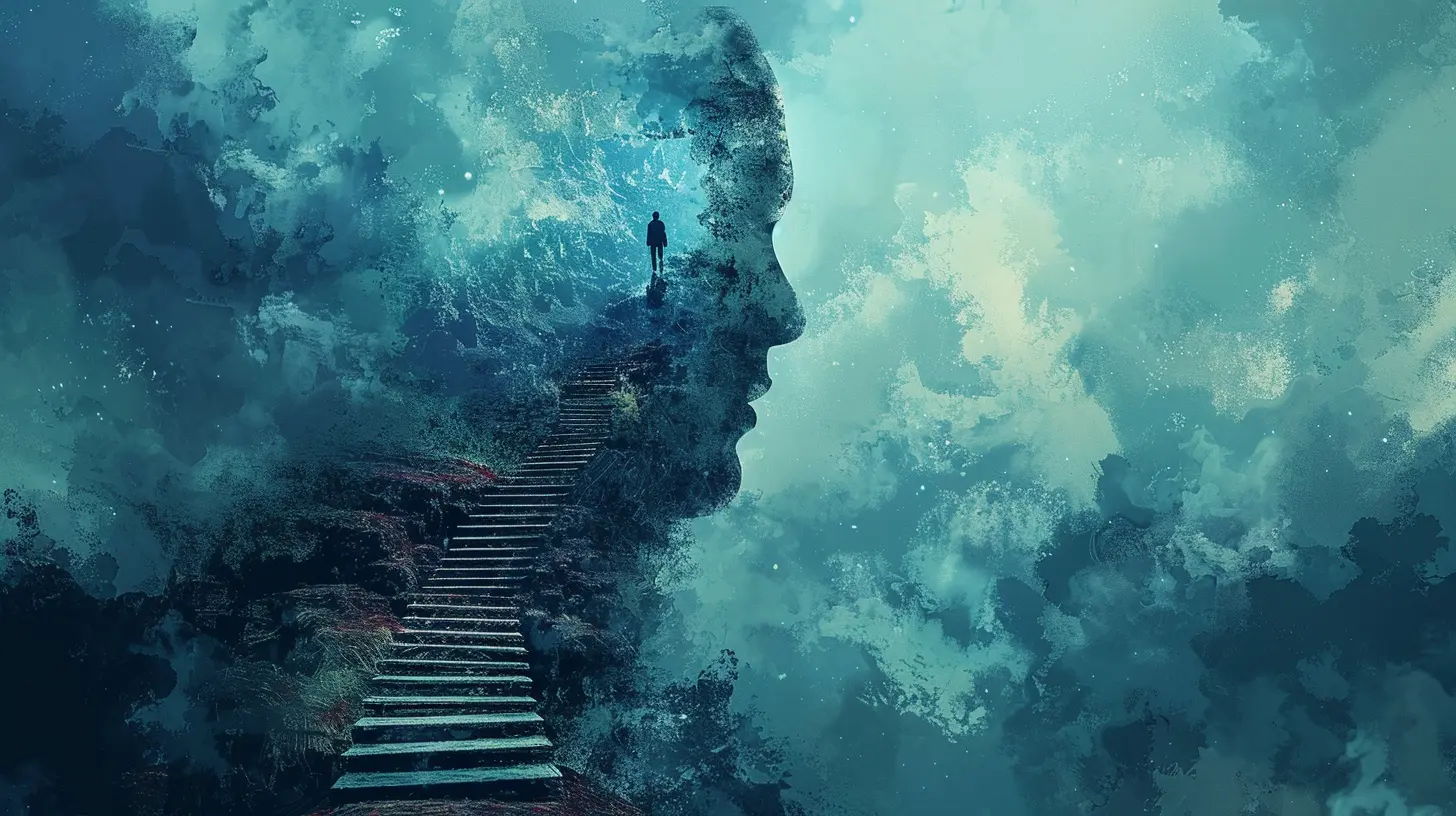
🔥 1. Recognize the Pattern
The first step to change? Awareness. You can’t fix what you don’t acknowledge! Pay attention to your thoughts and behaviors. Are you constantly seeking validation? Do you feel lost without a particular person? Recognizing these patterns is the first step toward reclaiming your independence.A simple trick: Keep a journal. Write down situations where you felt overly reliant on someone’s approval or support. Identifying these moments will help you gain clarity on your emotional habits. 
💡 2. Build Self-Awareness
Ask yourself:- Where does my emotional dependency come from?
- Is this tied to childhood experiences or past relationships?
- What am I afraid will happen if I stand on my own?
Often, emotional dependency is rooted in fear—fear of rejection, loneliness, or inadequacy. Understanding the "why" behind your dependency helps you tackle the issue from its core instead of just treating the symptoms. 
💪 3. Strengthen Your Self-Esteem
Low self-esteem and emotional dependency go hand in hand. If you don’t believe in your worth, you’ll constantly look to others for validation.Ways to boost self-esteem:
- Practice self-compassion – Treat yourself like you would a close friend
- Set small, achievable goals – Each win will build your confidence
- Challenge negative self-talk – Replace “I need them to be happy” with “I am enough on my own”
- Celebrate your individual qualities – What makes you you? Own it!
The stronger your self-worth, the less you'll rely on others to define it for you.
⚡ 4. Develop Emotional Independence
Think of emotional independence like a muscle—the more you work on it, the stronger it gets.Here’s how to flex that muscle:
- Make decisions on your own – Start with small ones, then gradually take bigger leaps
- Learn to self-soothe – When you’re upset, try deep breathing, journaling, or meditation instead of instantly seeking external reassurance
- Spend time alone – Get comfortable in your own company—solo dates, hobbies, or even just sitting with your thoughts can help
The goal? To make sure your happiness and emotional well-being are not completely dictated by external forces.
🛠 5. Set Healthy Boundaries
Ever heard the saying, "Good fences make good neighbors"? Well, good boundaries make healthy relationships.Setting boundaries doesn’t mean you don’t care about people—it means you care enough about yourself too.
Some examples:
- Saying no without guilt
- Communicating your needs clearly
- Not over-explaining or justifying your choices
- Avoiding relationships that drain you
Healthy relationships are based on mutual respect, not dependency. Boundaries help you break free from the cycle of needing someone else to "complete" you.
🌱 6. Cultivate a Life Outside Your Relationships
Picture this: Your entire world revolves around one person. Now, what happens if they step away? If the answer is "my world crumbles," it's time to build a life that doesn’t revolve around a single relationship.- Develop hobbies and interests – What excites you outside of your relationships? Explore it!
- Expand your social circle – Having multiple connections helps prevent over-reliance on just one person
- Focus on personal growth – Take a class, learn a skill, or challenge yourself in new ways
When your life is full and rich on its own, you won’t feel like you need someone else to feel whole.
🧘♀️ 7. Practice Mindfulness and Self-Reflection
Sometimes, dependency comes from reacting to emotions instead of observing them. Mindfulness helps you pause, reflect, and choose a response instead of acting out of fear or insecurity.Try this:
- When you feel the urge to seek external validation, pause. Ask yourself, “What do I think about this?”
- When fear of abandonment creeps in, remind yourself, “I am enough as I am.”
- When anxiety hits, take a few deep breaths and ground yourself in the present moment.
The more in tune you become with yourself, the less you'll rely on others to manage your emotions.
🚀 8. Seek Professional Help if Needed
Breaking free from emotional dependency isn’t always easy—especially if it’s deeply rooted. A therapist can help you navigate past wounds, build healthy coping mechanisms, and guide you toward emotional independence.Therapy isn’t a sign of weakness; it’s a power move. Think of it as hiring a coach to help you win your own emotional championship.
🎉 Final Thoughts
Breaking free from emotional dependency doesn’t mean you stop caring about people—it means you stop needing them to define your happiness. It’s about shifting from I rely on them for my worth to I am enough on my own.Will it take time? Yep. Will there be setbacks? Absolutely. But each step you take toward emotional independence is a step toward living a life where you call the shots. And that, my friend, is a life worth building.
So, what’s the first step you’re going to take today?
all images in this post were generated using AI tools
Category:
Emotional DependencyAuthor:

Gloria McVicar