Social Media and Mental Wellness: Finding Balance in a Digital World
5 May 2026
In today’s hyper-connected world, social media is the air we breathe. It’s everywhere—on our phones, our laptops, even our watches. We scroll while we eat, like while we walk, and post while we’re supposed to be sleeping. But with all this digital noise, many of us have begun to wonder: what’s it doing to our mental health?
Let’s dive into this modern-day conundrum and talk about how social media affects our mental wellness—and more importantly, how to strike a healthy balance.
The Double-Edged Sword of Social Media
Social media gets a bad rap, and honestly, it's earned some of it. But let’s be fair—it’s not all doom and gloom. Like most things in life, social media has its pros and cons. Think of it as a double-edged sword; it can either be a tool for connection and inspiration or a source of stress and anxiety.The Bright Side
Let’s start with the good stuff. Social media does offer some real perks:- Staying Connected: Whether it’s chatting with a friend across the globe or video-calling your grandma, social platforms keep us linked.
- Self-Expression: From sharing your art project to discussing your mental health struggles, social media allows us to express ourselves freely.
- Support Communities: Online groups can be a safe space, especially for those who feel misunderstood or isolated in their daily lives.
- News & Awareness: Social causes get attention, news circulates faster, and people become more informed.
All in all, social media can feel like a virtual hug—comforting, timely, and exactly what you need.
The Dark Side
But like any powerful tool, misuse can have consequences. Here’s what happens when the balance tips:- Comparison Trap: Let’s be honest, it’s hard not to feel a pang of jealousy scrolling through someone’s “perfect” vacation or “flawless” morning routine.
- Fear of Missing Out (FOMO): Seeing others constantly doing something exciting can make you feel like you're missing out on life.
- Addiction & Obsession: Ever found yourself reaching for your phone without even realizing it? That’s no accident—these platforms are designed to keep you hooked.
- Sleep Disruption: Blue light from screens can mess with your melatonin, making it harder to fall asleep.
- Reduced Self-Esteem: Constant comparison and negative feedback can chip away at your confidence more than you think.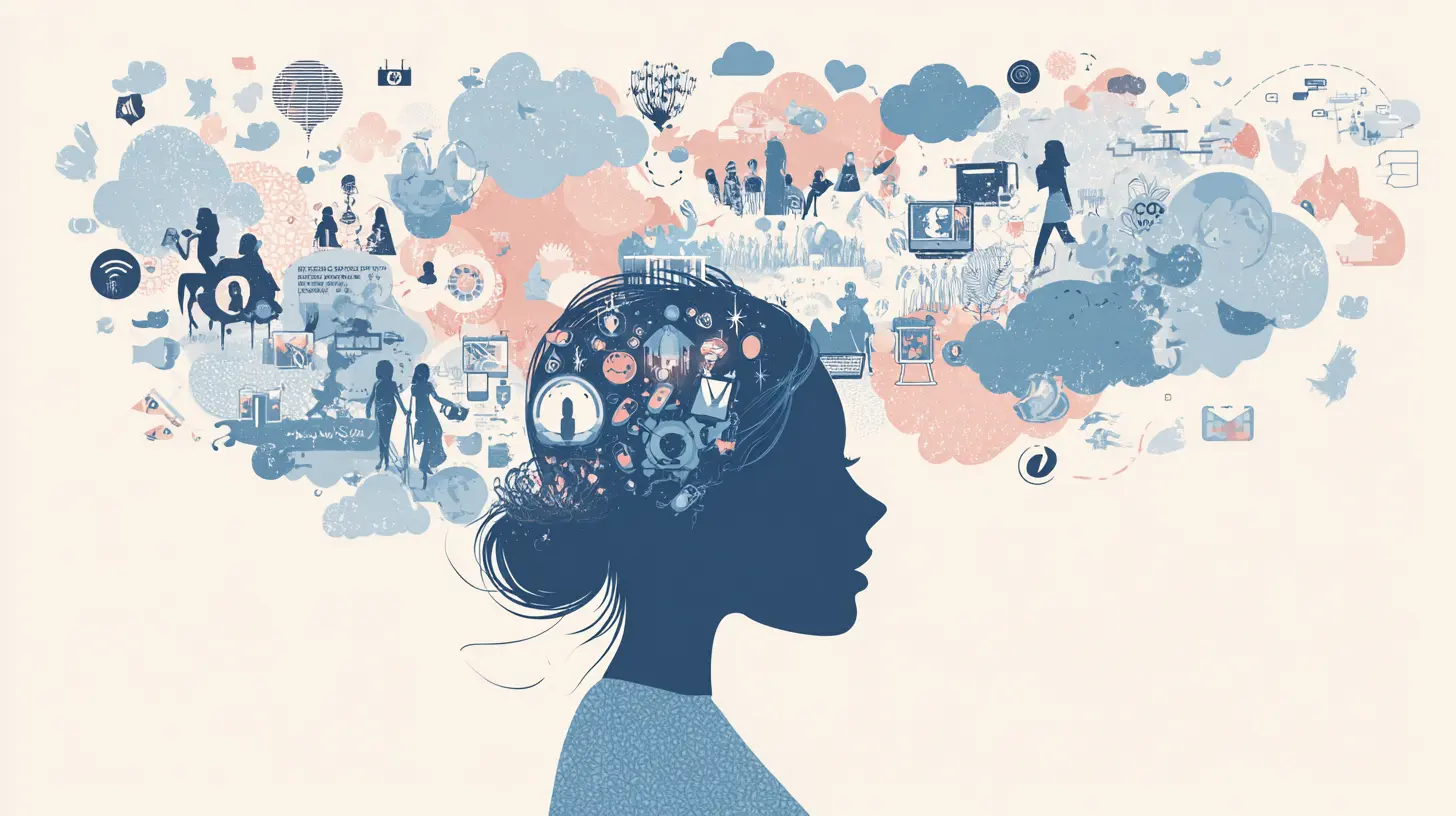
The Science Behind the Scroll
So what exactly is happening in our brains when we dive into these platforms?When you get a like, a comment, or a new follower, your brain releases a little shot of dopamine—the “feel-good” chemical. It’s the same reward system triggered by things like eating chocolate or winning a game. This makes using social media super addictive.
But there’s a catch.
Over time, we need more and more of that digital validation to get the same high. When the likes slow down, or the comments stop flowing, we start to feel... empty. Depressed. Anxious. That’s when social media turns from a fun scroll to a dangerous spiral.
Long-term exposure can also:
- Heighten anxiety and depression
- Cause attention issues
- Lead to cyberbullying and online harassment
- Foster body image issues, especially among teens
It’s like eating cake for every meal—it feels good for a minute but leaves you feeling sick and sluggish in the long run.
Signs That Social Media Might Be Hurting Your Mental Health
Worried that your feed might be affecting your mood? Here are some red flags to watch out for:- You feel worse after spending time on social media
- You're constantly comparing yourself to others
- You check your phone first thing in the morning and last thing at night
- You feel anxious or irritated when you're not online
- You spend more time online than with people in real life
- Your productivity is suffering because of constant distractions
If any of these sound familiar, it might be time for a little digital detox.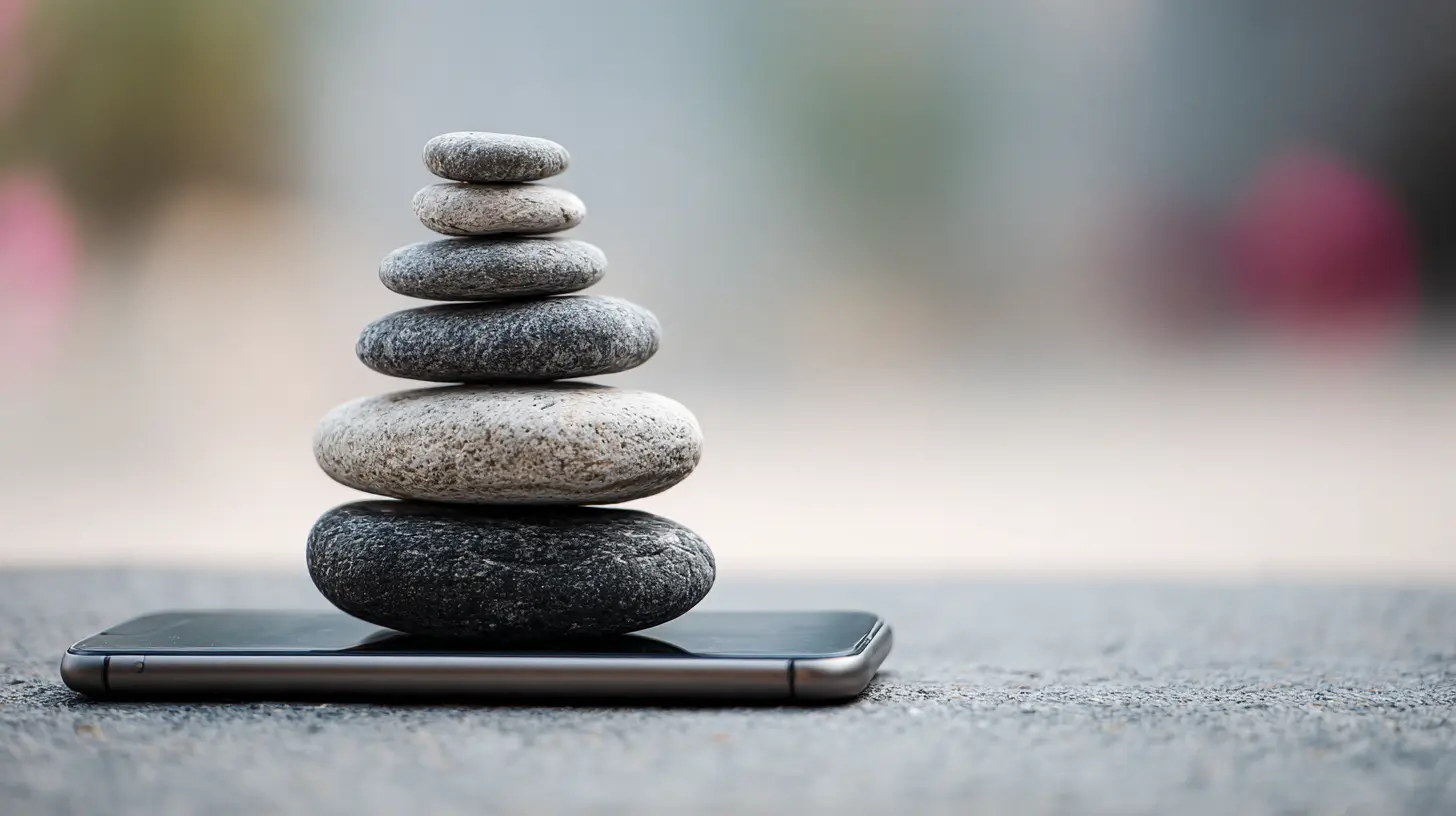
Finding the Sweet Spot: How to Use Social Media Mindfully
Let’s face it—social media isn’t going anywhere. So instead of swearing it off entirely (which, let’s be real, is pretty unrealistic for most of us), let’s talk about how to use it smarter. Here’s how to strike that golden balance:1. Set Time Limits
You don’t need to quit cold turkey, but setting boundaries can work wonders. Try:- Limiting usage to 30 minutes to an hour a day
- Using app timers or screen time tools
- Turning off push notifications to reduce distractions
Think of it like digital dieting—you don’t have to cut out carbs, just don’t binge.
2. Curate Your Feed
Your social media experience is only as good as the content you consume. Unfollow accounts that make you feel inadequate, and fill your feed with:- Inspirational content
- Positive news
- Educational resources
- Humor and feel-good accounts
- Real, unfiltered people
Treat your feed like your fridge: if you don't want junk, don’t stock it.
3. Schedule “No Social” Zones
Create tech-free spaces in your day. For instance:- No phones during meals
- No scrolling in bed
- Designate certain hours as “offline time”
The goal? Give your brain some time to rest, recharge, and be fully present.
4. Practice Digital Detoxes
Every now and then, take a full break. Whether it’s a few hours, a weekend, or even a whole week—disconnect to reconnect. You’d be surprised at how freeing it feels.5. Use It For Good
Channel your scrolling energy into something positive:- Uplift others with positive comments
- Share your own mental health journey
- Use platforms to spread awareness about causes you care about
When you shift from consuming to creating, you regain control of your online experience.
Social Media and Teens: A Delicate Balance
Let’s not forget about the younger crowd. Teenagers are digital natives—they’ve grown up with social media the same way millennials grew up with TV. But their developing brains are particularly vulnerable to the negative effects of social media.As parents, educators, or even older siblings, we can:
- Encourage open conversations about how platforms make them feel
- Set healthy boundaries for screen time
- Teach critical thinking so they can spot unrealistic content
- Promote real-life connections and hobbies
Remember, it’s not about banning social media—it’s about teaching young people how to use it wisely.
Redefining “Connection” in a Hyper-Connected World
Here’s the bottom line: more followers don’t equal more friends. More likes don’t mean more love. And more scroll time doesn't equal more satisfaction.True connection happens when you look someone in the eyes, listen with your heart, and show up with your full presence. Social media can facilitate communication, but it should never replace real-life intimacy.
So the next time you're tempted to scroll for hours, ask yourself—"Is this feeding me or draining me?"
Final Thoughts
Look, social media isn’t the villain. It’s just a tool—a very powerful one. The trick lies in how you use it. When approached mindfully, it can be a powerful ally in your mental wellness journey. But when left unchecked, it can slowly erode your self-esteem, focus, and emotional balance.So don’t be afraid to take control. Set boundaries, curate your space, and remember: it’s okay to step away. Your mental wellness is worth far more than a few likes.
Take care of your mind. It’s where you live.
all images in this post were generated using AI tools
Category:
Mental WellnessAuthor:

Gloria McVicar
Discussion
rate this article
1 comments
John Dillon
Limit screen time for better mental health.
May 23, 2026 at 2:43 PM
Gloria McVicar
I completely agree. Finding that balance is key for maintaining our mental wellness in a digital age.