Resilience and Self-Reflection: Learning from Adversity
31 July 2026
Let’s be honest: life loves to throw curveballs. Sometimes it’s a minor inconvenience—like spilling coffee on your favorite shirt five minutes before an important Zoom meeting. Other times, it’s a full-blown, soul-rattling experience—like losing a job, going through a breakup, or being ghosted by your therapist (okay, maybe that last one’s just me). But here’s the good news: despite life’s uncanny ability to mess with our plans, there’s a superpower we all have access to—resilience. And it gets even better when you combine it with a healthy dose of self-reflection.
So grab your emotional toolkit, because we’re about to dive deep into how bouncing back and looking inward can help you turn adversity into your own glow-up moment.
What Is Resilience—And Can I Order It on Amazon?
Let’s clear this up: resilience isn’t just bouncing back like a rubber ball. It’s more like being one of those inflatable punching clowns—life knocks you down, but you wobble back up with a goofy grin (and maybe a few life lessons). Resilience is the psychological muscle that helps us recover from setbacks, adapt to change, and keep moving forward—even when we’d rather just binge-watch cat videos and avoid adulting altogether.But no, unfortunately, you can’t Prime-deliver it. Sorry.
The good news? Resilience isn’t something you’re either born with or without. It’s a skill—a mindset—you can build over time. It’s like emotional squats for your brain.
Adversity: AKA The Gym Membership You Didn’t Sign Up For
Let’s talk about adversity. It’s unavoidable, unpredictable, and usually arrives without warning—kind of like my neighbor’s karaoke nights. Still, adversity is the ultimate (and often unwanted) teacher. It shows up in many forms: personal loss, failure, rejection, illness, or even an identity crisis sparked by a bad haircut.But guess what? These difficult experiences, while they suck in the moment, often become the turning points that shape us. They force us to reassess what matters, tweak our internal GPS, and sometimes completely reroute our lives.
Think of adversity as emotional CrossFit. It hurts while you’re in it, but you’re stronger (and maybe spiritually ripped) when you come out the other side.
Self-Reflection: Your Inner Mirror (No Selfies Required)
Now, let’s pair that adversity workout with a mental spa session: self-reflection. This is the part where you ask yourself, “What the heck just happened?” and then actually wait for the answer.Self-reflection is the process of looking inward—examining your thoughts, feelings, actions, and reactions from a place of curiosity rather than judgment. It's like being your own life coach, but without the overpriced coffee and buzzwords.
Here’s the fun part: when you combine resilience with reflection, you turn every setback into a setup for growth. It’s like turning lemons into lemon-scented essential oils for your emotional diffuser. (Too much?)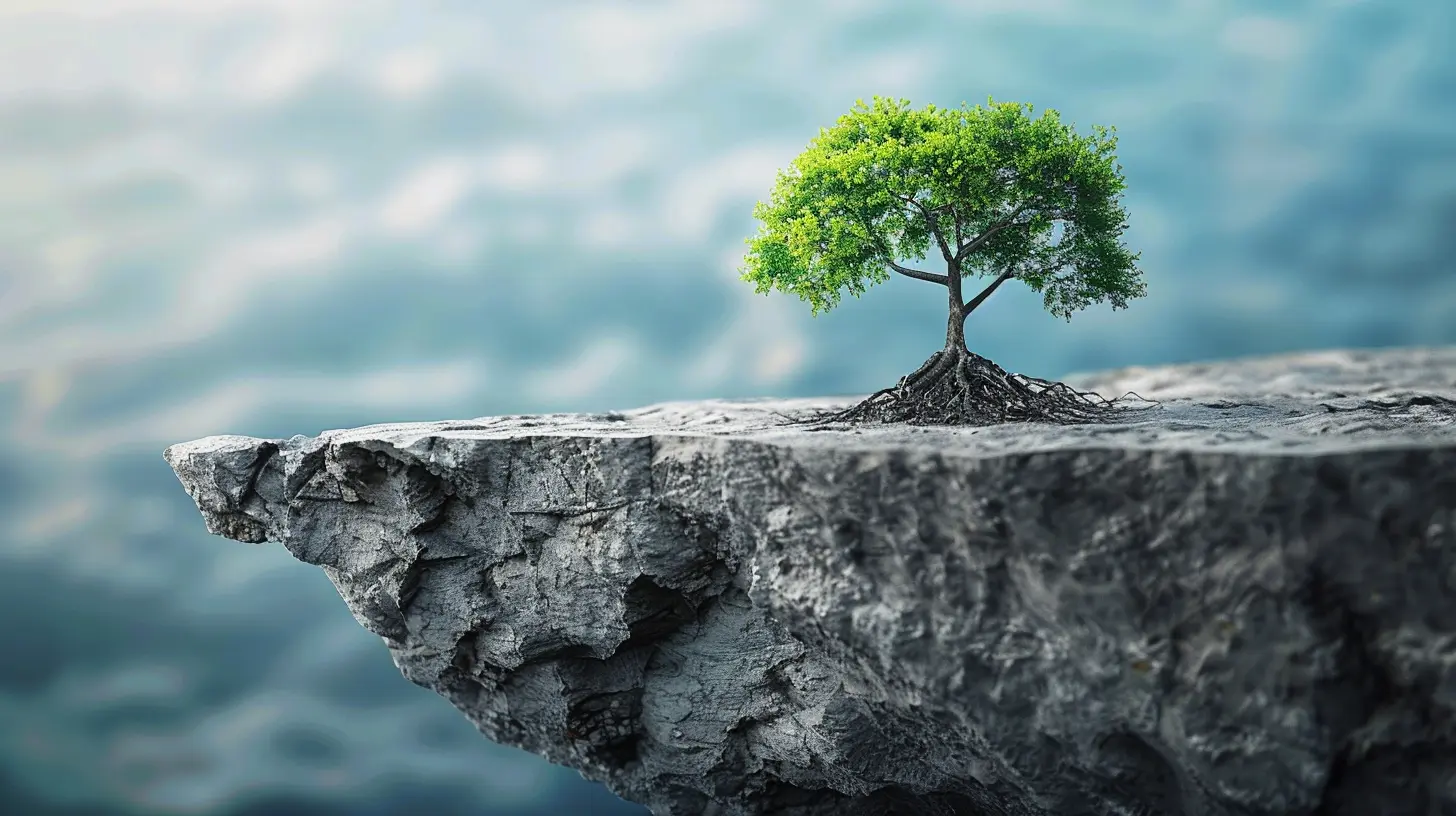
The Psychology Behind the Magic
Alright, let’s get slightly nerdy for a second (but in a fun way, I promise).Psychologists often define resilience as a dynamic process. That means it’s influenced by internal factors (like personality traits, coping skills) and external ones (like social support, environment). Being resilient doesn’t mean you’re invincible. It means you bend, but don’t break—and sometimes you even grow back stronger in places you didn’t know were weak.
Self-reflection, on the other hand, is linked to metacognition (thinking about your thinking). It helps us recognize patterns, break toxic cycles, and make more conscious choices. Kinda like being the Sherlock Holmes of our own minds—minus the pipe and problematic character traits.
When you put the two together, you create a feedback loop that boosts emotional intelligence, self-awareness, and overall well-being.
Why Most People Avoid Reflection (And Why That’s a Problem)
Let’s face it: self-reflection isn’t always comfortable. Like… at all.It means admitting you may have had unrealistic expectations, made poor decisions, ignored red flags the size of Canada, or reacted like a drama llama in a situation that required a calm camel. Oops.
But avoiding reflection means missing out on the gold buried in our experiences. It’s kind of like watching a movie, leaving before the ending, and then reading spoilers online—why rob yourself of the real payoff?
Being honest with ourselves is hard. But it’s also the beginning of real growth.
Signs That You’re Actually Stronger Than You Think
So how do you know if you’ve got resilience? Here are a few signs:- You’ve been through rough stuff—and you’re still here.
- You can laugh at yourself (even when you cry first).
- You adapt to change, even if you grumble about it first.
- You ask hard questions and aren’t afraid of uncomfortable answers.
- You’ve learned something valuable from failure.
- You’ve had a "what doesn’t kill me makes me weirder" moment.
Yep. Sounds like you’re already more resilient than you give yourself credit for.
Building Resilience Without Losing Your Mind
Just like building biceps, resilience takes consistent work (but with less protein powder).Here’s how to flex your emotional muscles:
1. Get Comfortable With Discomfort
Growth doesn’t happen in your cozy blanket fort. It happens when you’re sweaty, nervous, and slightly confused.Lean into tough feelings. Don’t fight them like a toddler refusing broccoli. Sit with them, name them, and get curious about what they’re trying to teach you.
2. Strengthen Your Support Squad
No one wins the mental health Olympics alone. Friends, family, therapists, Reddit communities—whatever your vibe, lean on them.Being vulnerable isn't weakness. It's brave. It's human. And it helps a ton.
3. Set Tiny, Ridiculously Doable Goals
You don’t have to become the Dalai Lama overnight. Start small—like journaling for five minutes, going for a walk, or not spiraling when you get left on read. Celebrate every little win.Because little wins add up, and suddenly you’re out here thriving in ways Past You couldn’t imagine.
4. Learn to Reframe
No, not your selfies (though lighting helps). Reframing your mindset can change everything. Instead of thinking, “This is the worst,” try, “This sucks, but let’s see what it’s teaching me.”It’s not about toxic positivity. It’s about shifting perspectives so you don’t drown in doom.
Mastering the Art of Self-Reflection (Without Overthinking Yourself Into Oblivion)
Here’s the deal—self-reflection can be a slippery slope if you don’t keep it grounded. We’re going for insight, not a spiral.Try these self-reflection prompts to steer your mental ship:
- What did I feel during that experience?
- What triggered my reaction?
- What did I learn (even if it stung)?
- How can I respond differently next time?
Write it down. Talk it out. Meditate on it. Or pace around the kitchen at 2 a.m. with your cat as your therapist. Whatever works.
Just don’t get stuck in the "what-if" loop. That’s not reflection—that’s overthinking in disguise.
Resilience + Reflection = Results (And Maybe Some Enlightened Sass)
When you start combining regular doses of resilience and reflection, something magical (and slightly chaotic) happens—you start to transform. Your pain becomes purpose, your cringe becomes fuel, and your setbacks become setups for comebacks.You realize that life isn’t about avoiding storms. It’s about learning to dance in the rain wearing glitter boots and a “Try me” attitude.
You stop asking, “Why me?” and start asking, “What now?”
Spoiler alert: That’s when life gets juicy.
Real Talk: You Are Not Broken
Repeat after me (maybe not out loud if you're reading this in a crowded Starbucks): Struggling doesn’t mean you're broken. It means you're trying. It means you’re human. And being human is messy, awkward, beautiful, complicated, and kind of amazing.You don’t have to get it all right.
You just have to keep showing up.
One bad chapter doesn’t mean your story’s over—it just means you’ll have one heck of a redemption arc.
Final Thoughts: From Messy to Mighty
Resilience and self-reflection aren’t magic wands. They won’t erase pain or make life Instagram-perfect. But they will help you navigate the chaos with more clarity, courage, and confidence.And maybe—just maybe—you’ll start to see adversity not as the enemy, but as the fire that forges your strongest self.
So the next time life tosses you into the deep end, whisper to yourself, “I’ve been through worse. Let’s go.”
And don’t forget to bring snacks.
all images in this post were generated using AI tools
Category:
Psychological ResilienceAuthor:

Gloria McVicar