Mental Health Advocacy Through Art and Storytelling
20 December 2025
Let’s talk about mental health—you know, that thing we all have but rarely like to talk about out loud. Like a weird uncle at a family reunion, mental health tends to make people nervous. But guess what? It shouldn’t! Now more than ever, we need open, honest, loud-and-proud conversations about mental well-being. And what better way to kickstart those convos than through art and storytelling?
Because really, what’s more human than telling stories and painting feelings? From ancient cave drawings to TikTok monologues, expressing ourselves creatively has always been our jam. So let’s dive headfirst into the magical land where mental health meets brush strokes and plot twists—without the therapist’s couch (unless you like the couch, in which case, go for it).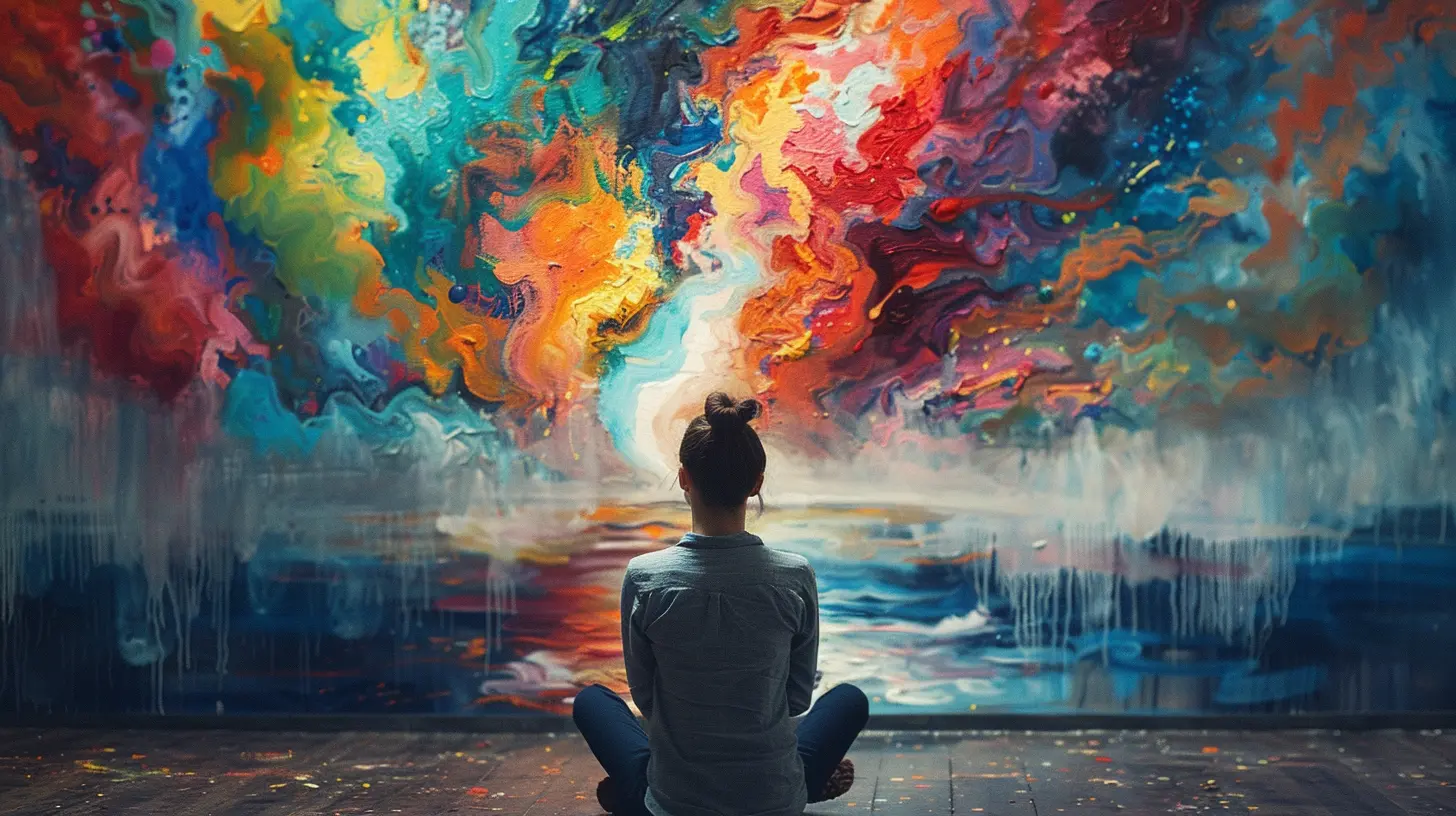
Why Art and Storytelling Deserve a Standing Ovation in Mental Health Advocacy
Mental health is complex. It’s like trying to untangle your headphone wires in the dark… after a toddler’s been playing with them. But when you add creativity—paint, poetry, prose—you take something tangled and give it form, color, and voice.Art and storytelling help translate the often indescribable experience of mental illness into something tangible. Instead of saying, “I’m anxious,” someone might draw a tornado spiraling through a crowded theater. And suddenly, the rest of us go, “Ohhh… I get it.”
Let’s Be Honest—Therapy Isn’t for Everyone
I know, I know… therapy is wonderful. Therapists are superheroes. But not everyone has access. Not everyone feels comfortable sharing their deepest, darkest thoughts with a stranger in a beige room with ferns.Art and storytelling? They’re the people’s therapy. Free, expressive, and available 24/7. Whether you’re sketching in your notebook at 2am or writing poetry in your Notes app while waiting for your overpriced latte—you're advocating for your mental health and possibly even someone else’s.
The Art of Healing: How Creativity Helps Us Cope
Ever cried during a movie? Or felt lighter after journaling your heartbreak? That’s not coincidence—that’s your brain saying, “Ahhh, sweet emotional release.”1. Externalizing Internal Chaos
Painting a picture of your depression doesn’t cure it, but it definitely gets it out of your system and onto something else—canvas, paper, Instagram post. It’s like telling your anxiety: “You’re not the boss of me… you’re just a character in my next short story.”Creating art can help you take control of the narrative. Suddenly, your trauma isn’t just something that happened to you—it’s your battle scar, and you’re the author. That’s some Avengers-level empowerment stuff right there.
2. Making the Invisible… Visible
Mental illness is sneaky. It doesn’t always show up with a cast or crutches. But art lets people see it. And once something is visible, it’s harder to ignore.A painting that screams chaos. A poem that whispers despair. A short film that unpacks generational trauma in ten minutes. These pieces shout what words often can’t—and that creates empathy. One person’s self-expression can be another person’s “OMG, me too!”
Storytelling: The Ancient Power Tool We Didn’t Know We Needed
Think about your favorite book, show, or movie. Chances are, it includes a character who goes through stuff. Big feelings. Maybe even a mental health crisis or two.Now think about how that character made you feel seen.
That’s storytelling magic.
1. Stories Build Bridges (Not Just Netflix Binges)
Good stories don’t just entertain; they connect. When marginalized voices share their lived experiences, they invite us into rooms we’ve never been in. We start to understand what it's like to live with PTSD, bipolar disorder, or obsessive-compulsive disorder not because someone read us a definition, but because we walked a mile in their narrative Nikes.2. The Ripple Effect of “Me Too”
Every time someone shares their mental health journey—whether it’s on stage, in a comic strip, or through a podcast—there’s someone, somewhere whispering, “I thought I was the only one.”That whisper? It’s gold. That sense of solidarity? Pure magic. Sharing stories breaks down shame, replaces stigma with understanding, and makes room for healing on both ends.
Real Talk: Advocacy Doesn’t Require a Paintbrush or Pulitzer
You don’t need to be the next Van Gogh (ear optional) or Toni Morrison to make an impact. Mental health advocacy through art and storytelling isn’t about being perfect—it’s about being authentic.Doodle Anxiety? Share It.
That sketch of a screaming sun surrounded by clouds of doom? Post it. Someone out there is feeling the exact same way and too scared to say it.Write Angry Poems? Publish 'Em.
Your poetry doesn’t have to rhyme. It just has to communicate. Slam poetry, spoken word, or cringey high school scribbles—if it helps you process and it resonates with someone else? You’ve already won.Start Conversations with a Story
Your blog post about surviving burnout or your Instagram carousel on postpartum depression? That’s advocacy. That’s art. That’s storytelling. Welcome to the revolution.Big Names, Big Feels
Mental health advocacy through art and storytelling isn’t just happening in cozy journals and late-night paint sessions—it’s mainstream, baby!Celebs Getting Real
Artists like Lady Gaga, Demi Lovato, and Prince Harry have shared their mental health struggles publicly—often through documentaries, books, and songs. Why does it matter? Because when big names say, “Yeah, therapy saved my life,” it normalizes seeking help. When the rich and famous admit they're not okay—guess what? The rest of us get permission to not be okay, too.Social Media as a Modern Canvas
Instagram illustrations about trauma recovery. TikToks showing the ups and downs of OCD. Twitter threads unpacking ADHD symptoms. Social media, for all its doom-scrolling downside, has also become a powerful platform for real talk about mental health.Mental Health Art Projects That’ll Blow Your Mind (In a Good Way)
Let’s take a quick trip through some kick-butt projects that have combined creativity with advocacy:- The Semicolon Project: What started as a punctuation mark has become a global symbol for suicide prevention and mental health resilience. Tattoos, art, merch—you name it.
- Inside Out Project: Started by French artist JR, this global participatory art project lets people post giant portraits in public spaces to bring visibility to personal stories.
- PostSecret: A legendary anonymous art project where people mail in their secrets on postcards. Many of them reveal raw, emotional, mental health struggles.
- The Moth: Storytelling events (and a podcast!) where people share personal narratives—many centered around mental illness, recovery, and resilience.
The Healing Is Mutual
Here’s the kicker: when you create or share art and stories about mental health, you’re not just helping others—you’re helping yourself too.Art As Catharsis
Making something out of your mess? That’s therapeutic. You’re transforming chaos into coherence, pain into prose, anxiety into acrylics. It’s messy, sure—but it’s medicine.A Community Built on Vulnerability
Every time someone shares their story and someone else listens, a domino falls. Shame starts to crumble. Stigmas shrink. And what’s left is community—raw, real, and ridiculously beautiful.So… Where Do You Start?
Great question, my creative crusader! Whether you’re a Picasso-in-the-making or someone who still draws stick figures, you can totally jump on the mental health advocacy train.- Start a blog or post on Medium.
- Join open mics or virtual poetry slams.
- Paint, doodle, and share on social media.
- Write zines or comics about your mental health journey.
- Support and amplify voices of others doing the same.
Remember: your story, your art—it matters.
Final Thoughts: Art + Storytelling = Advocacy with a Soul
At the end of the day, mental health advocacy through art and storytelling isn’t just trendy—it’s transformational. It helps us speak when we don’t have words. It helps us listen when all we want to do is scroll past. And most importantly, it reminds us that we’re not alone.Every brushstroke, every word, every shared story chips away at the shame surrounding mental health. And together? We’re painting a future that’s more compassionate, more connected, and way less beige-therapy-room-energy.
So grab a pen, a paintbrush, a mic—or just your own lived experience—and go make some noise. The world is finally listening.
all images in this post were generated using AI tools
Category:
Mental Health AdvocacyAuthor:

Gloria McVicar
Discussion
rate this article
2 comments
Kristy Griffin
This article highlights the powerful intersection of art and storytelling in mental health advocacy. By using creative expression, individuals can share their experiences, foster empathy, and dismantle stigma. Such approaches not only empower voices but also create a shared understanding, promoting community healing and awareness.
December 25, 2025 at 5:46 AM
Gloria McVicar
Thank you for your thoughtful comment! I wholeheartedly agree that art and storytelling play a vital role in mental health advocacy by fostering empathy and community healing.
Rose Franco
Love this piece! 🎨✨ Art and storytelling are powerful tools for mental health advocacy. They allow us to connect, heal, and express ourselves in ways that words alone sometimes can’t. Keep sharing those creative vibes—every story matters, and your voice can inspire others to embrace their journeys too! 🌈💖
December 21, 2025 at 4:32 PM
Gloria McVicar
Thank you so much! I completely agree—art and storytelling have a profound ability to inspire and heal. Your support means a lot! 🌟💖