How Yoga Can Help You Manage Stress and Anxiety
3 February 2026
Stress and anxiety have become buzzwords in today's fast-paced world. Whether it's work deadlines, financial worries, or personal struggles, we all experience moments that leave us feeling overwhelmed. But what if I told you there’s a natural, effective way to calm your mind and ease your stress?
Enter yoga—an ancient practice with modern benefits that can truly transform how you manage stress and anxiety.
In this article, we’ll dive deep into how yoga helps your mind and body cope with daily stressors. So, roll out your mat, take a deep breath, and let’s get started! 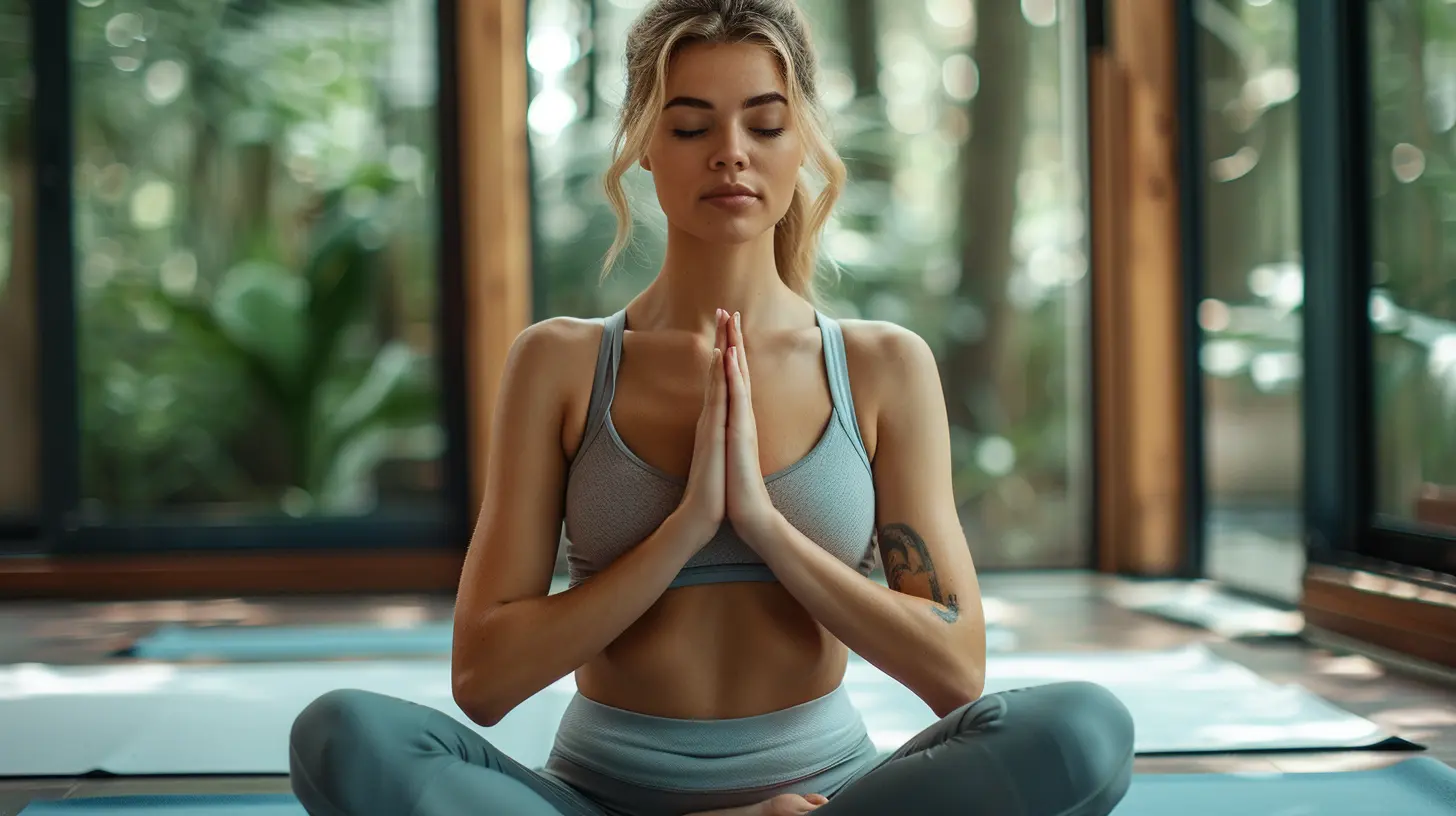
The Mind-Body Connection: Why Yoga Works
Ever noticed how stress impacts not just your thoughts but also your body? Your heart races, your muscles tense up, and your breathing becomes shallow. That’s because the mind and body are deeply connected.Yoga bridges this connection by integrating movement, breath, and mindfulness. It brings you into the present moment, helping you break free from the cycle of anxious thoughts.
But how exactly does yoga work its magic? Let’s break it down. 
1. Yoga Reduces Cortisol Levels (The Stress Hormone)
When you're stressed, your body releases cortisol. While this hormone is useful in small amounts, chronic stress keeps it elevated, leading to anxiety, fatigue, and even health problems like high blood pressure.Studies have shown that regular yoga practice significantly reduces cortisol levels, making you feel calmer and more balanced. It's like pressing a reset button on your nervous system! 
2. Deep Breathing Calms Your Nervous System
Ever noticed how your breath changes when you're anxious? It becomes quick and shallow, sending signals to your brain that something is wrong.Yoga incorporates deep breathing techniques (pranayama), which help activate your parasympathetic nervous system—the "rest and digest" mode. This counteracts the stress response, slowing your heart rate and promoting relaxation.
Try this simple technique:
- Inhale deeply through your nose for four counts.
- Hold your breath for four counts.
- Exhale slowly through your mouth for four counts.
Repeat this a few times, and you’ll feel the difference almost instantly! 
3. Yoga Improves Sleep Quality
Let’s be honest—stress and anxiety often steal our sleep. If you've ever spent hours tossing and turning, you know how exhausting it can be.The good news? Yoga promotes better sleep by:
- Relaxing tense muscles
- Slowing down racing thoughts
- Encouraging deep breathing for a calmer nervous system
Practicing a few gentle yoga poses before bed can work wonders for your sleep quality. Poses like Child’s Pose, Legs-Up-The-Wall, or Reclining Butterfly are especially soothing.
4. Mindfulness and Meditation Reduce Anxious Thoughts
Yoga is not just about movement—it also involves mindfulness. By focusing on your breath and body, you train your mind to stay in the present rather than dwelling on the past or worrying about the future.This mindful awareness helps you respond to stress rather than react impulsively. Over time, it rewires your brain to become more resilient against anxiety.
Next time you feel overwhelmed, pause for a moment. Take a deep breath and bring your focus to the now. It’s amazing how much this simple shift can change your perspective.
5. Physical Movement Releases Endorphins (The Feel-Good Chemicals)
You’ve probably heard that exercise is great for mental health. But did you know that yoga, in particular, has a unique way of boosting your mood?Yoga combines movement with breath, triggering the release of endorphins—your body’s natural mood boosters. Unlike high-intensity workouts that may feel draining, yoga leaves you refreshed and rejuvenated.
Even a few minutes of stretching and deep breathing can instantly lift your mood when you're feeling low.
6. Yoga Builds Emotional Resilience
Life will always have ups and downs—it’s how we handle them that matters.Yoga teaches you to stay calm and composed, even in challenging situations. Just as you learn to hold a difficult pose on the mat, you develop the strength to navigate stressful moments with grace and patience.
The more you practice, the more resilient your mind becomes. Instead of reacting to stress with panic, you’ll find yourself responding with clarity and confidence.
Best Yoga Poses to Relieve Stress and Anxiety
Now that we know how yoga helps, let’s look at some beginner-friendly poses that can melt stress away in minutes.1. Child’s Pose (Balasana)
- Helps release tension in the back, shoulders, and neck- Encourages deep relaxation and introspection
2. Downward Dog (Adho Mukha Svanasana)
- Stretches the spine and relieves built-up stress- Increases blood flow to the brain, promoting clarity and focus
3. Cat-Cow Stretch (Marjaryasana-Bitilasana)
- Synchronizes breath with movement to relax the nervous system- Releases tension in the spine, improving flexibility
4. Legs-Up-The-Wall (Viparita Karani)
- Drains excess blood from the legs, reducing fatigue- Calms the nervous system and promotes deep relaxation
5. Corpse Pose (Savasana)
- The ultimate relaxation pose- Allows your body to absorb the benefits of your yoga practice
Try holding each pose for at least 30 seconds to fully experience the calming effects.
How to Incorporate Yoga into Your Daily Life
Starting a yoga practice doesn’t mean you have to spend hours contorting into complicated poses. Even a few minutes a day can make a noticeable difference in your stress levels.Here are some easy ways to incorporate yoga into your routine:
- Morning Stretch: Start your day with a few gentle poses to set a positive tone.
- Lunchtime Break: Take five minutes to breathe deeply and stretch at your desk.
- Evening Wind-Down: End your day with a short yoga session to release tension.
- Mindful Breathing: Whenever stress hits, pause and take a few deep breaths.
The key is consistency! Like any habit, the more you practice, the greater the benefits.
Final Thoughts
Life can be overwhelming, but yoga offers a way to find peace amidst the chaos. By combining movement, breath, and mindfulness, it helps you manage stress and anxiety naturally—no side effects, no expensive treatments, just you and your breath.So, why not give it a try? Your mind and body will thank you.
all images in this post were generated using AI tools
Category:
Stress ReliefAuthor:

Gloria McVicar
Discussion
rate this article
2 comments
Fenn Kelly
Yoga offers a holistic approach to managing stress and anxiety by promoting mindfulness, enhancing emotional resilience, and fostering relaxation. Regular practice can significantly improve mental well-being, making it a valuable tool for anyone seeking balance.
February 19, 2026 at 4:31 AM
Gloria McVicar
Thank you for your insightful comment! I completely agree—yoga truly enhances mental well-being through mindfulness and relaxation.
Xavi Forbes
Discover the transformative power of yoga! Embrace each breath as a tool to release tension, cultivate mindfulness, and empower your journey towards serenity—unlock your potential for peace and resilience today!
February 3, 2026 at 5:05 PM
Gloria McVicar
Yoga truly offers powerful tools for managing stress and anxiety. Each breath can guide us toward greater calm and resilience.