How to Practice Progressive Muscle Relaxation for Stress Relief
27 April 2026
Ever feel like stress has you tied up in knots? Like your brain is running a marathon while your body’s bracing for impact? You're not alone. Life's little (and big) stressors can build up fast—deadlines, traffic, relationships, money troubles—and even when we try to relax, our bodies sometimes don't get the memo.
That’s where Progressive Muscle Relaxation (PMR) comes in.
PMR is like giving your body a much-needed sigh of relief. It's simple, free, and you can do it almost anywhere. In this guide, we’re diving deep into how to practice PMR effectively so you can kick stress to the curb and find your calm. Let’s get into it.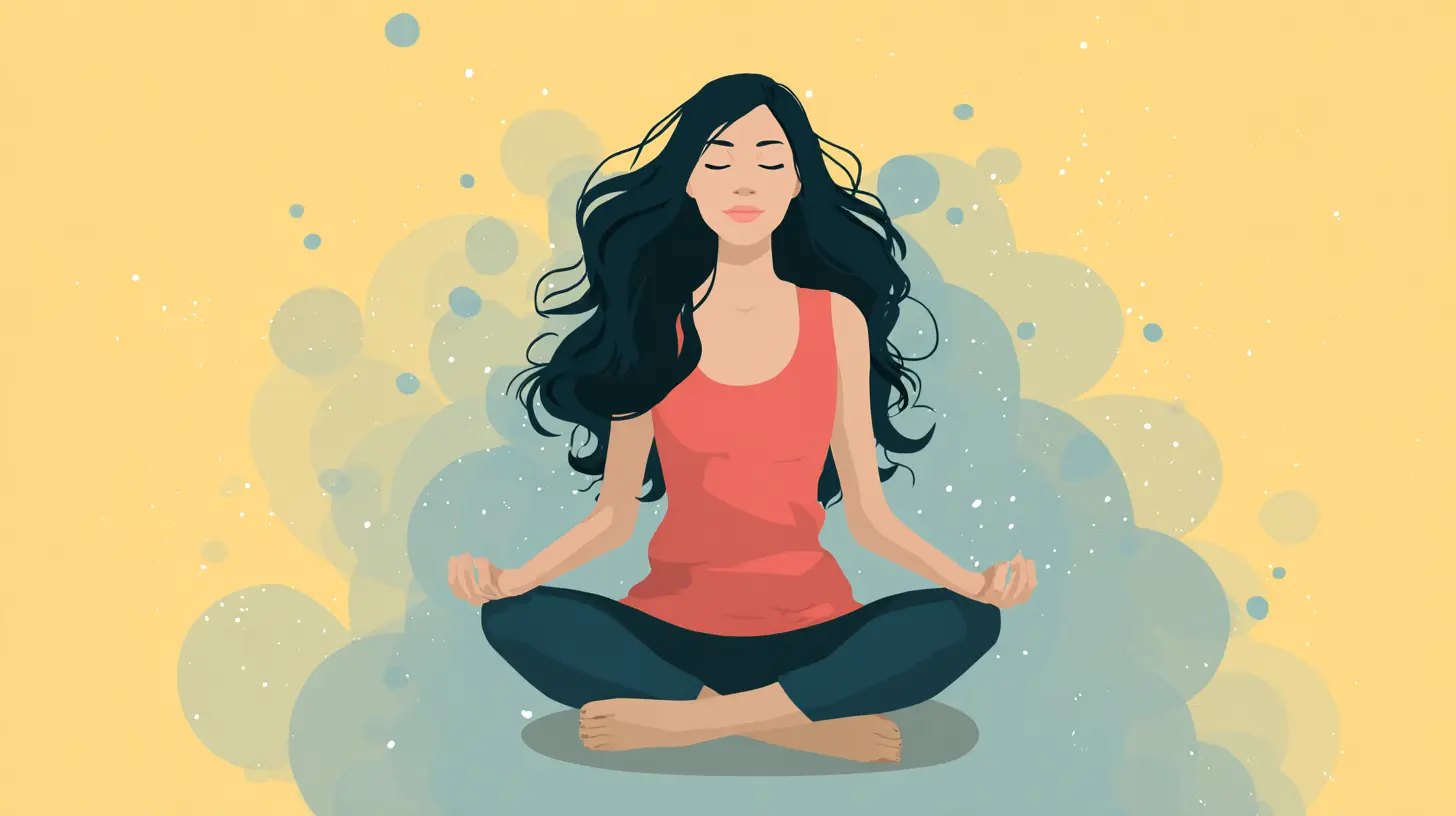
What is Progressive Muscle Relaxation?
Let’s break it down. Progressive Muscle Relaxation is a stress-management technique developed by Dr. Edmund Jacobson in the 1930s. It’s based on one straightforward idea: when your body is physically relaxed, your mind has a much harder time being anxious.PMR involves tensing and then relaxing different muscle groups in a specific sequence. The goal? To become more aware of physical sensations and to intentionally melt away physical tension that often goes unnoticed.
Think of it like a stress scan for your body. You’re going from head to toe (or vice versa), tuning into each area, and releasing the pressure that’s been piling up.
Why PMR Works So Well for Stress
Stress isn’t just in your head—it’s in your shoulders, your jaw, your back, your gut. When you’re constantly tense, your body starts to operate on high alert, like it’s stuck in "fight or flight" mode.PMR helps you:
- Interrupt the stress cycle
- Lower heart rate and blood pressure
- Reduce anxiety and muscle tension
- Improve sleep quality
- Increase self-awareness of your stress triggers
It’s kind of like hitting the reset button on your nervous system.
When Should You Use Progressive Muscle Relaxation?
Honestly? Anytime. But here are a few great moments to try it:- Before bed: Helps you drift off to sleep faster and sleep deeper.
- Before or during a stressful situation: Calms you down and centers your focus.
- After a workout or physical activity: Helps your body recover and cool down.
- During a panic attack or anxiety episode: Regains control over physical symptoms.
You don’t need to wait until you're on the verge of a meltdown. Use PMR proactively, just like you’d stretch to prevent injury.
Step-by-Step Guide to Practicing PMR
Alright, let’s break down exactly how to do this. Find a quiet, comfortable spot where you won’t be disturbed. Turn off distractions (yeah, that includes your phone). Sit or lie down with your hands resting on your lap or by your sides.1. Start with Some Deep Breathing
Before you even get into the muscle work, take a minute to focus on your breath.- Inhale slowly through your nose for 4 seconds.
- Hold it for 2 seconds.
- Exhale slowly through your mouth for 6 seconds.
Do this for about a minute to get centered.
2. Follow the Muscle Sequence
Now we’ll move through different muscle groups. The idea is simple: tense for 5-10 seconds, relax for 20-30 seconds. Notice the contrast between tension and relaxation.A. Feet and Toes
Curl your toes tightly. Feel the strain. Then release. Let your feet go limp.B. Calves
Pull your toes toward your shins, tightening your calves. Hold. Let go.C. Thighs
Squeeze your thighs together or press them into the chair/bed. Hold. Release.D. Buttocks
Clench those glutes. Hold it. Feel the tension. Now let it fall away.E. Stomach
Tighten your abdominal muscles like you’re expecting a punch. Hold. Relax.F. Chest
Take a deep breath and hold it, tightening your chest. Then exhale and let go.G. Hands
Clench your fists tightly. Hold. Release and spread your fingers wide.H. Arms
Bend your elbows and tense your biceps. Hold. Let it all go.I. Shoulders
Shrug your shoulders up to your ears. Squeeze. Drop them.J. Neck
Press your head back gently (don't strain). Hold. Bring it back and relax.K. Face
Scrunch your facial muscles—forehead, eyes, jaw, lips. Hold. Then gently relax them.3. Sit in the Stillness
Once you’ve moved through each area, take a minute or two to sit or lie in total relaxation. Let your body feel heavy, safe, and soft. Notice how different you feel.Quick Tips for PMR Success
Doing PMR isn’t rocket science, but a few tweaks can make it WAY more effective:- Be consistent. Practice daily if you can—even just 10 minutes goes a long way.
- Don’t rush. This isn’t a race. The slower, the better.
- Stay present. Your mind might wander. Just gently bring it back.
- Use a recording or script. If it’s hard to remember all the steps, use a guided PMR audio—or record your own.
PMR with a Twist: Customize to Your Needs
PMR isn’t one-size-fits-all. You can tailor it based on your lifestyle.- Short on time? Just do a mini version. Pick 3-4 areas (like shoulders, jaw, hands, and feet).
- Have chronic pain? Skip areas that feel painful. You don’t need to push through.
- Want to sleep better? Do PMR lying in bed right before sleep. Lights off, phone away.
Feeling a little creative? Pair PMR with visualization. Imagine stress as steam escaping your body with each exhale. Picture your muscles melting like butter in the sun. Cheesy? Maybe. Effective? Absolutely.
What If PMR Doesn’t Work Right Away?
Hey, progress over perfection. Especially when it comes to stress. Some people feel the benefits immediately, while for others, it takes a few sessions to really "click."If the first time feels awkward or you can't focus, that's okay. You're planting the seeds of relaxation. Stick with it.
Also, remember PMR is a skill. Like learning to play the piano—you won’t master it overnight, but with practice, it becomes second nature.
The Science Behind PMR: Why It’s Not Just Hocus Pocus
Still wondering if this whole thing is legit? Let’s talk evidence.Studies show that PMR can:
- Reduce cortisol (your body’s main stress hormone)
- Lower symptoms of generalized anxiety disorder (GAD)
- Help in managing insomnia and improving sleep quality
- Alleviate symptoms of chronic pain and headaches
- Improve focus and emotional resilience
Healthcare professionals—from psychologists to physical therapists—recommend it as part of non-drug approaches to managing stress, anxiety, and tension.
It’s been used in schools, hospitals, therapy settings, and even by athletes and performers to calm nerves before big moments.
This stuff’s proven, folks.
Combining PMR with Other Stress-Relief Tools
PMR is powerful on its own, but if you’re looking for even more chill, try mixing it with:- Mindfulness meditation – Stay aware and present while relaxing.
- Breathwork – Add deep breath techniques to anchor your focus.
- Aromatherapy – Use calming scents like lavender or eucalyptus.
- Soft music or ambient sounds – Nature sounds or lo-fi beats work wonders.
- Journaling after PMR – Reflect on how your body felt before and after.
It’s like creating your own personal stress relief playlist.
Wrapping It Up: Your Calm is in Your Control
Life’s stressful—we can’t change that. But you can absolutely change how your body responds to it. Progressive Muscle Relaxation is like giving your nervous system a warm hug. It’s simple, effective, and you don’t need expensive tools or fancy setups.All you need is you, a quiet space, and a few minutes of intention.
Next time you feel like you're holding the weight of the world—literally in your shoulders—take a pause, tune in, and release that tension, one muscle at a time.
Your body will thank you. Your mind will too.
all images in this post were generated using AI tools
Category:
Stress ManagementAuthor:

Gloria McVicar
Discussion
rate this article
1 comments
Samira Frank
Feeling tense? Just think of your muscles as stubborn cats—gently coax them to relax! Dive into progressive muscle relaxation and let stress melt away like ice cream on a sunny day!
April 28, 2026 at 2:39 AM
Gloria McVicar
Great analogy! Imagining muscles as stubborn cats makes relaxation more approachable. Thanks for sharing!