How to Organize a Community Event to Raise Mental Health Awareness
2 January 2026
Mental health is a topic we often keep behind closed doors. But here's the thing: it affects everyone in one way or another. Whether it's anxiety, depression, or the everyday pressure of keeping it all together, mental well-being matters. So, what better way to break the silence than to bring people together?
Organizing a community event to raise mental health awareness isn't just about putting tables and chairs in a park. It's about creating a safe space—one that educates, empowers, and supports. If you've ever thought, “Someone should do something,” you're that someone. Let's walk through how to make it happen.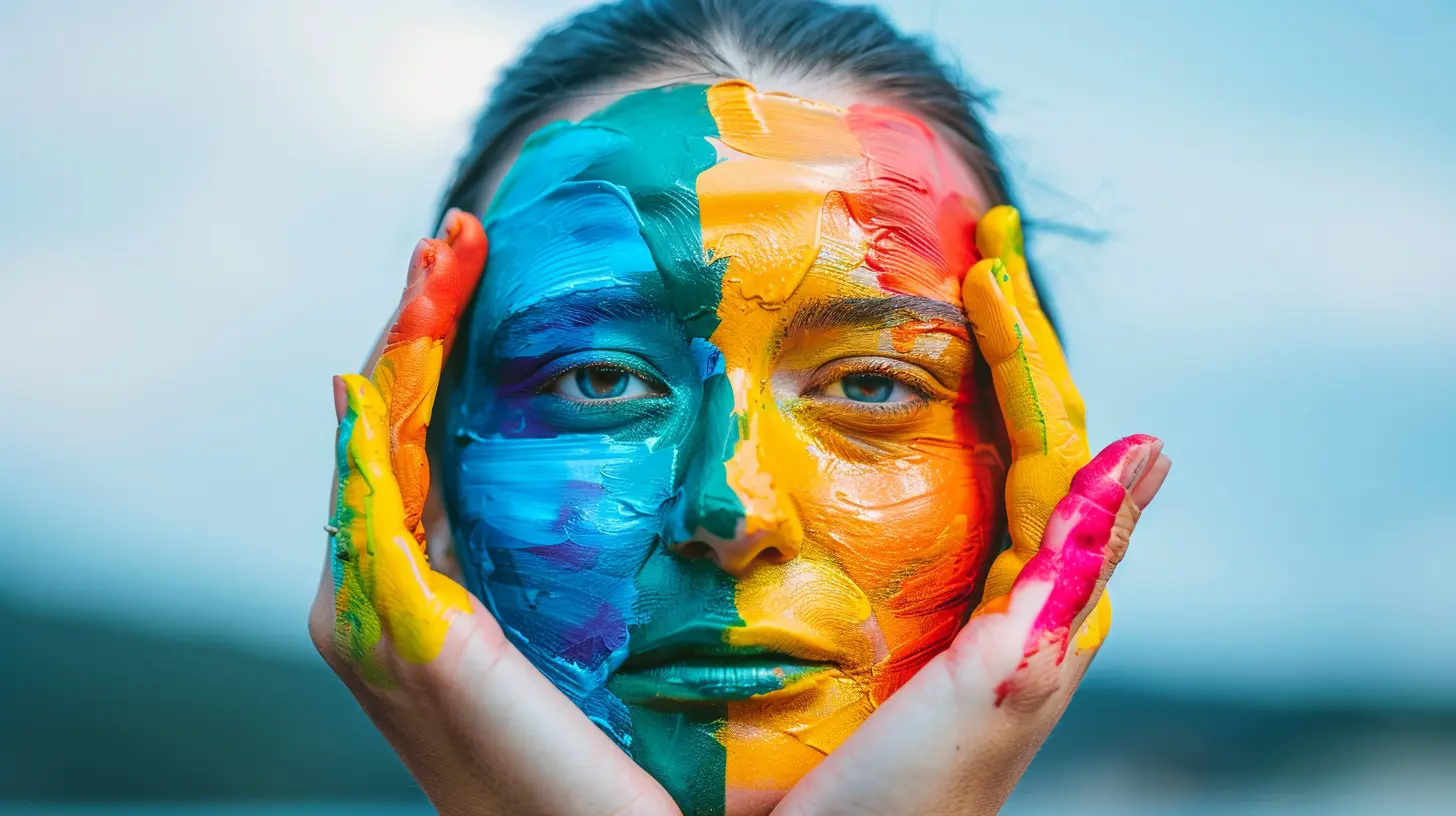
Why Mental Health Awareness Events Matter
Before we dive into the how, let’s talk about the why. Mental health issues are more common than you might guess. According to the World Health Organization, depression is the leading cause of disability worldwide. And yet, there’s still so much stigma.Community events can change that narrative. They:
- Create safe places for open discussions.
- Offer access to vital resources.
- Help people feel less isolated.
- Encourage early support and intervention.
Think of it like shining a giant flashlight in a dark room—people suddenly realize they’re not alone.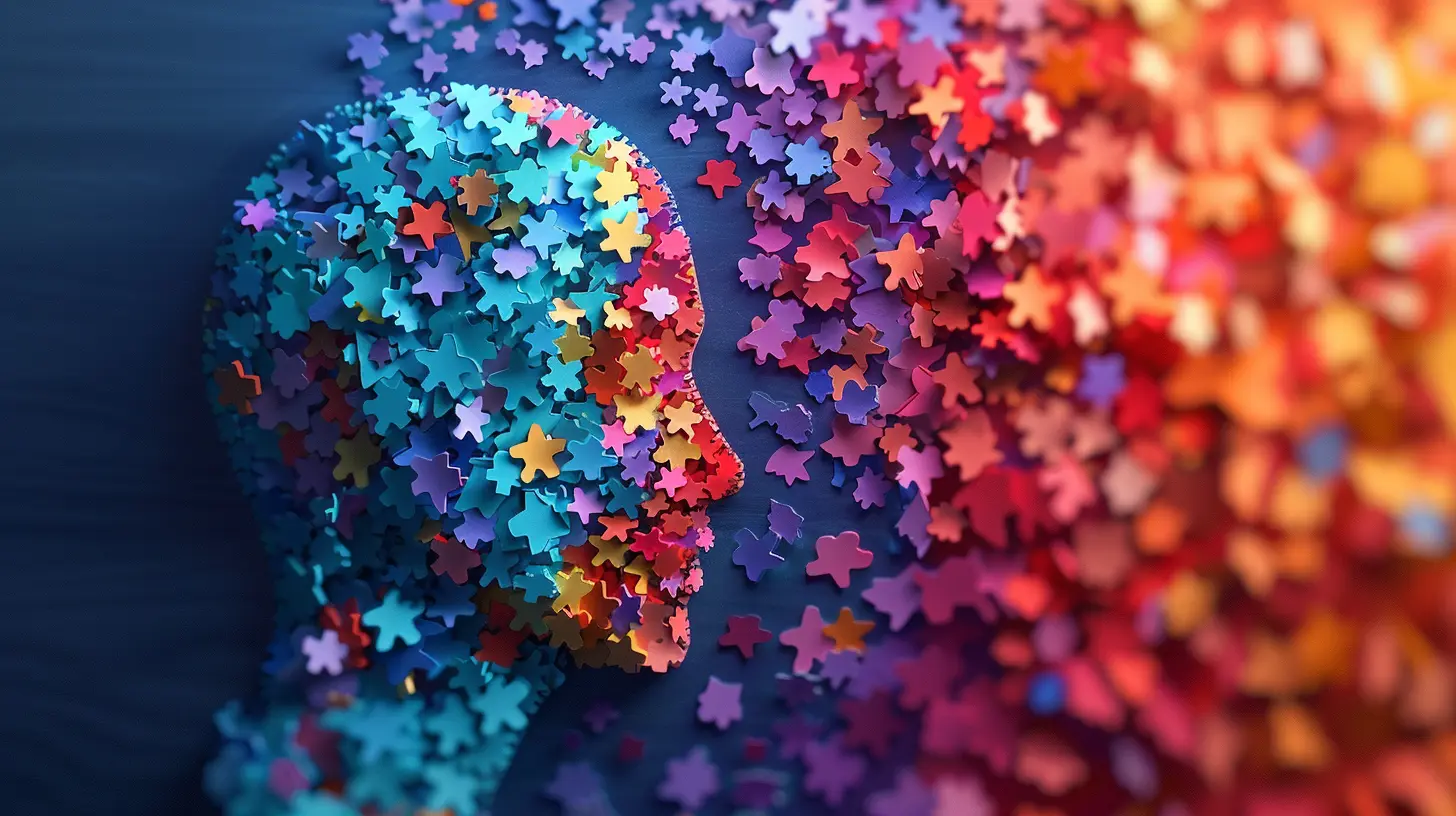
Step 1: Define Your Goal
Alright, so you’re ready to make a difference. First question: what exactly do you want to accomplish?Is your goal to:
- Raise general awareness?
- Fundraise for a mental health organization?
- Educate the public?
- Connect people to mental health professionals?
- Support those currently struggling?
Be specific. If you try to do everything, you risk doing nothing well. Pick a goal, write it down, and let every decision you make reflect it.
Step 2: Build a Team
Even superheroes need sidekicks. Organizing a community event is no small task, so gather a team of passionate and reliable people.Look for:
- Mental health advocates
- Event planners
- Marketing gurus
- Volunteers
- Connections to local organizations or speakers
Divide responsibilities. Having someone in charge of logistics, another person for outreach, and someone else for fundraising can streamline the process and spare your sanity.
Step 3: Choose the Right Format
Not all events are created equal. The format of your event should match your goal and your audience.Here are a few options:
- Mental Health Fair: Booths from local organizations, therapy centers, and wellness groups
- Panel Discussion: Invite psychologists, counselors, and people with lived experiences
- Community Walk or Run: Promote movement while raising funds and awareness
- Workshops: Focus on stress management, mindfulness, or coping strategies
- Art Exhibit or Open Mic Night: Let people express mental health through creativity
Ask yourself, “What would get people to show up?” If your town loves running events—go for a walk/run. If local cafés host poetry nights, an open mic might just hit the sweet spot.
Step 4: Pick the Right Time and Place
You’ll want a venue that’s accessible—not just physically but emotionally. Make sure it feels safe and welcoming to everyone.A few things to consider:
- Is the location ADA accessible?
- Can it host the expected number of guests?
- Is it easy to get to by public transport or car?
- What’s the vibe? (You don’t want your wellness workshop held next to a construction site.)
As for timing, weekends usually work best. Avoid major holidays or community events that might compete for attention. And don’t forget to check the weather if it’s outdoors—no one enjoys soggy pamphlets.
Step 5: Secure Sponsors and Partners
No lie—events can get pricey. But here’s the good news: people love supporting meaningful causes.Reach out to:
- Local businesses
- Mental health clinics
- Nonprofits
- Universities
- Wellness brands
Offer sponsorship packages like:
- Logo placement on banners and programs
- Recognition in press releases
- Booth space at the event
- Social media shoutouts
You can also partner with mental health organizations to bring in resources, speakers, or even funding. Collaboration is a win-win.
Step 6: Plan Programming That Resonates
Here’s where the magic happens. The content of your event can literally change lives. No pressure, right?Some ideas to include:
- Expert Talks: Psychologists, counselors, and researchers sharing insights
- Real Stories: People talking about their own mental health journey
- Resource Tables: Local mental health services, crisis hotlines, support groups
- Interactive Activities: Mindfulness exercises, journaling prompts, yoga
Make it engaging. Throw in music, food trucks, or giveaways. No one ever said mental health education had to be boring.
Step 7: Promote Like You Mean It
If a mental health event happens and no one hears about it... did it even happen?Get the word out:
- Social Media: Create Facebook/Instagram pages, use relevant hashtags like #MentalHealthAwareness or #EndTheStigma
- Flyers and Posters: Post around town—cafés, schools, gyms, community centers
- Local Press: Send press releases to newspapers, radio stations, and online blogs
- Community Boards: Use platforms like Eventbrite, Meetup, or your local city website
Pro Tip: Ask your partners and sponsors to help spread the word. Every shared post or forwarded email matters.
Step 8: Prepare for Mental Health Sensitivity
You’re dealing with a tender topic. Make sure your event:- Has peer support or mental health professionals on site
- Offers quiet zones for those who may feel overwhelmed
- Uses inclusive language in all materials and promotions
- Provides content warnings when necessary
It’s not just about awareness—it’s about support. Make people feel seen, heard, and safe.
Step 9: Handle Logistical Details (The Unsexy Stuff)
Okay, it’s not glamorous, but it’s critical. Here’s your logistical to-do list:- Get permits for public spaces
- Ensure liability insurance if needed
- Rent tables, chairs, sound systems
- Assign volunteers to registration, setup, and cleanup
- Make event-day schedules and contingency plans
Murphy’s Law applies to events too—if something can go wrong, it just might. Planning ahead keeps the headaches at bay.
Step 10: Follow Up and Keep the Momentum Going
So the event’s over. People showed up, they laughed, maybe even cried, and then they went home. Now what?Don’t let the energy die.
- Post-event surveys: Ask for feedback to improve next time.
- Share photos and thank-yous on social media.
- Send appreciation emails to volunteers, partners, and attendees.
- Make a plan to do it again—bigger and better.
This isn’t a one-off. Awareness is an ongoing journey, and one event can be the spark that lights up meaningful change in your community.
Common Pitfalls to Avoid
Let’s get real. Stuff can go sideways. Here are a few to keep on your radar:- Being too broad: You can't address every mental health issue at once. Focus.
- Lack of follow-through: People need next steps—resources, support, or ways to stay involved.
- Ignoring inclusivity: Make sure your event is accessible to all genders, ages, backgrounds, and abilities.
- Poor communication: Confirm everything. Then confirm it again.
Don’t worry if things aren’t perfect. The fact that you’re showing up for mental health speaks volumes.
Final Thoughts
Organizing a community event to raise mental health awareness is a big task, but it's also hugely rewarding. You have the power to start conversations, build connections, and maybe—just maybe—save a life.You don’t need fancy credentials or a celebrity speaker to make an impact. You just need a bit of heart, hustle, and a whole lot of empathy.
So, ready to take the leap? Your community needs you.
all images in this post were generated using AI tools
Category:
Mental Health AdvocacyAuthor:

Gloria McVicar
Discussion
rate this article
2 comments
Layne McWhorter
What a fantastic guide! Organizing a community event is such a meaningful way to support mental health awareness. Thank you for sharing!
January 27, 2026 at 6:02 PM
Violet Kelly
This article provides valuable insights into organizing community events for mental health awareness. It highlights the importance of collaboration, clear communication, and inclusive activities to engage diverse audiences. Empowering individuals and fostering open discussions can significantly impact mental health understanding.
January 8, 2026 at 5:51 AM
Gloria McVicar
Thank you for your thoughtful comment! I'm glad you found the insights on collaboration and inclusivity valuable for promoting mental health awareness.