How to Create Inclusive Mental Health Support Systems
11 April 2026
Mental health is just as important as physical health, and yet, for many people, accessing the right support can be a challenge. That’s especially true for marginalized communities, who often face barriers like stigma, lack of representation, and financial struggles when seeking help.
So, how do we fix this? How do we create mental health support systems that actually work for everyone, not just a select few? It’s a big question, but the good news is that change is possible. Let’s break it down step by step. 
Understanding Inclusivity in Mental Health
Before we dive into the "how," let's talk about why inclusivity matters in mental health support.Imagine going to a therapist who doesn’t understand your lived experience. Maybe they dismiss your struggles because they don’t see them as valid, or they lack cultural awareness. Would you feel comfortable opening up? Probably not.
That’s what happens to countless people who come from underrepresented communities—whether it's due to race, gender identity, sexual orientation, disability, or socioeconomic status. A truly inclusive mental health system ensures that everyone has access to compassionate, culturally competent, and affordable care. 
Barriers to Inclusive Mental Health Support
To build a system that serves everyone, we need to understand the obstacles that currently exist. Here are some of the biggest:1. Financial Barriers
Therapy and mental health services can be ridiculously expensive. Many people simply can’t afford it, especially if they don’t have insurance or live in a country without universal healthcare.2. Lack of Representation
Many marginalized individuals struggle to find therapists who look like them or understand their experiences. For example, Black individuals may find it difficult to connect with a predominantly white field of mental health professionals who may not grasp the nuances of racism’s toll on mental health.3. Cultural Stigma
In some communities, mental health issues are still a taboo topic. People are told to "just pray it away," "toughen up," or "stop overreacting." This makes it difficult for individuals to seek help without fear of judgment.4. Language and Accessibility Issues
Many mental health resources are only available in certain languages, making them inaccessible to non-English speakers. Additionally, people with disabilities—especially those who are deaf or blind—often struggle to find services that accommodate their needs.5. Distrust in the System
For some communities (especially Black, Indigenous, and LGBTQ+ individuals), there’s a long history of medical mistreatment and discrimination. It’s no surprise that many people simply don’t trust traditional mental health institutions.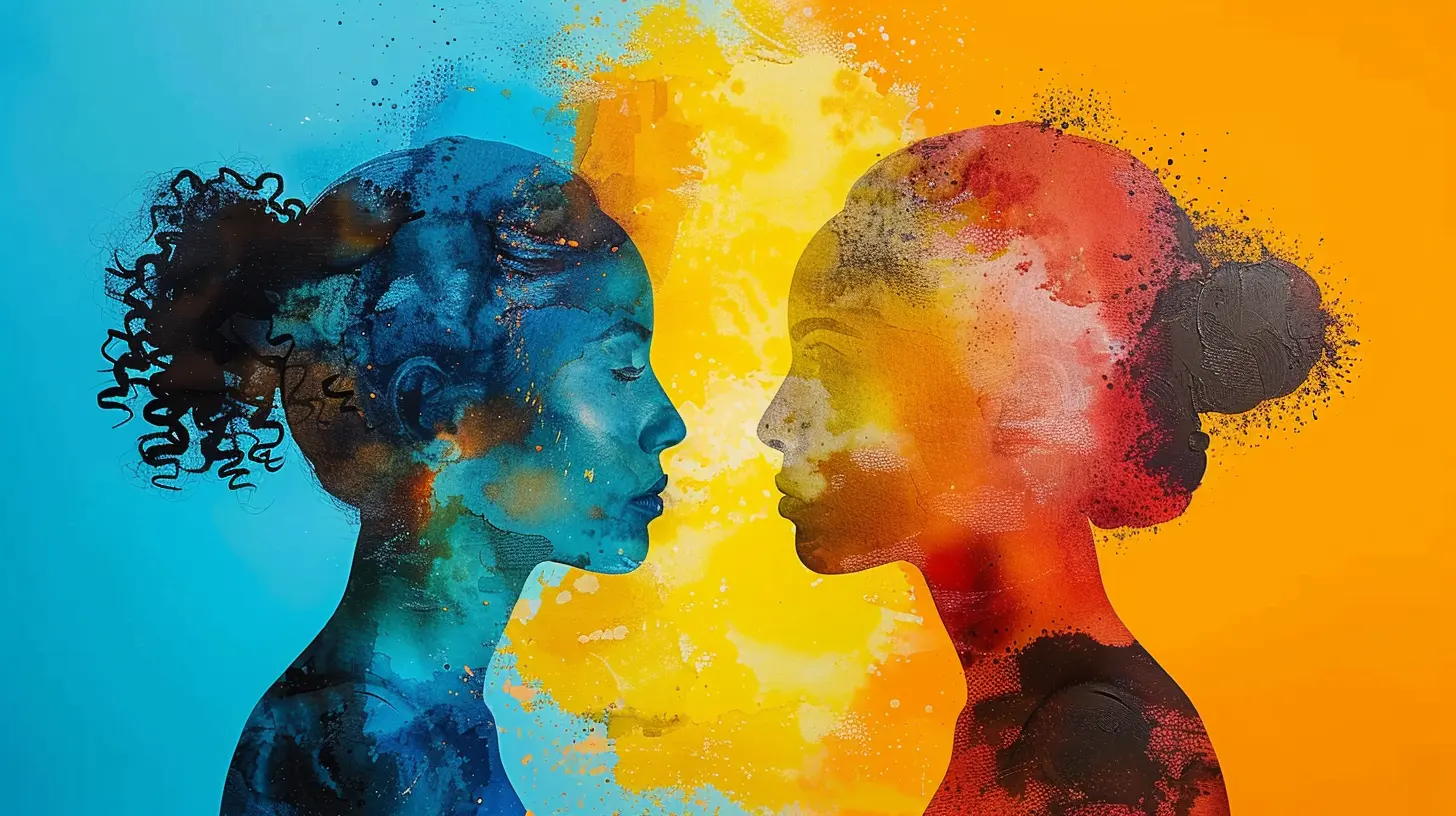
How to Build Inclusive Mental Health Support Systems
Creating a mental health system that works for everyone isn’t just a nice idea—it’s a necessity. Here’s how we can make it happen:1. Expand Affordable and Free Mental Health Services
Money shouldn’t be a barrier to mental health care. Here’s what can help:- Sliding-scale therapy: More therapists offering services based on income level.
- Community-funded programs: Local organizations and nonprofits offering free or low-cost mental health support.
- Government support: Increased funding for mental health initiatives that serve low-income populations.
2. Train Therapists in Cultural Competency
Therapists need to understand the backgrounds and experiences of the people they serve. This means:- Undergoing anti-racism and cultural competency training.
- Learning about LGBTQ+ identities, neurodivergence, and disability.
- Acknowledging how systemic issues (racism, poverty, discrimination) impact mental health.
When mental health professionals are well-trained in these areas, clients feel safer, understood, and more willing to engage in therapy.
3. Increase Representation in the Mental Health Field
Representation matters, period. People need to see therapists and mental health advocates who look like them and share similar experiences.How do we make this happen?
- Scholarships and grants for aspiring therapists from marginalized communities.
- Mentorship programs to support diverse mental health professionals.
- Encouraging bilingual therapists to serve non-English-speaking communities.
When clients see someone who understands their struggles firsthand, they’re more likely to feel seen and heard.
4. Tackle Mental Health Stigma at the Community Level
We need to start conversations that normalize mental health care, especially in communities where it's stigmatized. This can be done through:- Public campaigns promoting mental health awareness.
- Community workshops that provide education on mental wellness.
- Social media advocacy from influencers and public figures breaking the silence around mental health.
Shame and secrecy should never prevent someone from getting the help they need. The more we talk about it, the more we normalize seeking support.
5. Improve Accessibility for Disabled and Non-English Speakers
Mental health resources should be available in multiple languages and formats. This means:- More translated materials and multilingual therapists.
- ASL-interpreted therapy sessions for the deaf community.
- Online therapy options for those who can’t travel.
No one should be left behind because of language barriers or disabilities.
6. Integrate Mental Health Support into Schools and Workplaces
Mental health should be prioritized in schools, universities, and workplaces. Here’s how:- Mental health days as part of company policies.
- School counseling services that are actually useful and destigmatized.
- Workplace wellness programs providing mental health resources.
If we normalize mental health care in everyday settings, more people will feel comfortable accessing it.
7. Encourage Peer-Led Support Groups
Not everyone feels comfortable with traditional therapy, and that’s okay! Community-based, peer-led support groups can fill the gap by providing:- Safe spaces to share experiences without judgment.
- Culturally specific support groups for people of color, LGBTQ+ individuals, or those with disabilities.
- Online support communities for those who prefer virtual spaces.
Sometimes, just knowing you’re not alone can make a world of difference. 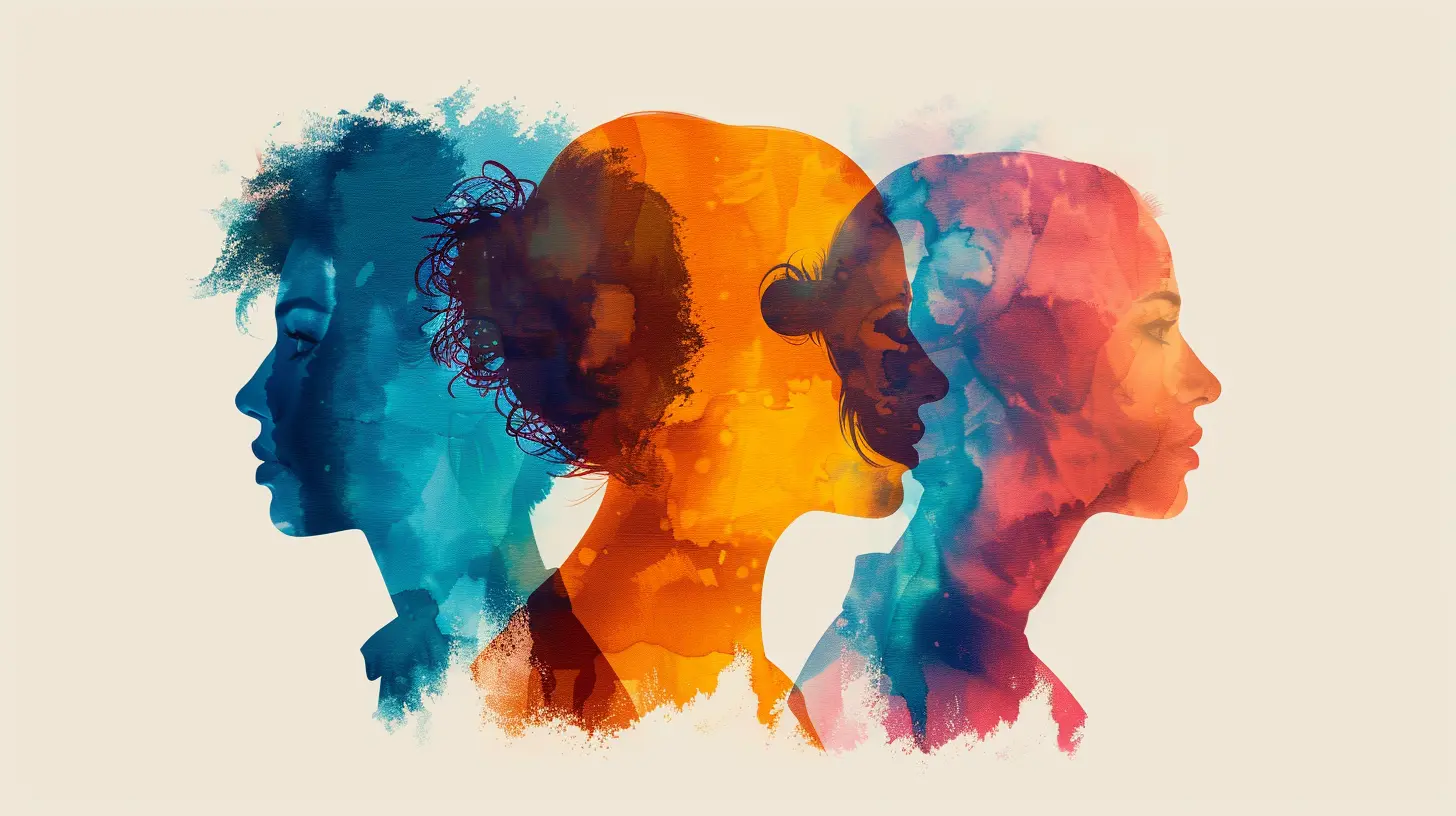
The Role of Technology in Inclusive Mental Health Support
Technology is changing the way we access mental health care. From therapy apps to online support groups, digital solutions can bridge the gap for many people.Here’s why tech is a game-changer:
- Teletherapy makes mental health care more accessible, especially for those in rural areas.
- Mental health apps provide coping tools, meditation guides, and crisis support.
- Online forums and communities help individuals connect with others facing similar struggles.
While technology isn’t a replacement for professional help, it’s a valuable tool in expanding access.
Final Thoughts
Creating an inclusive mental health support system isn’t about ticking boxes—it’s about making sure that every single person has access to the care they deserve.It means tearing down the financial, cultural, and systemic barriers that have excluded marginalized groups for too long. It means rethinking the way we approach mental health care, from education and accessibility to representation and affordability.
If we truly want to make a difference, we need to push for change at every level—in our policies, communities, and conversations. Because mental health support should never be a privilege. It should be a right.
all images in this post were generated using AI tools
Category:
Mental Health AdvocacyAuthor:

Gloria McVicar
Discussion
rate this article
2 comments
Alana McCallum
Creating inclusive mental health support systems is essential. Diverse perspectives enrich understanding and foster connection. Let's prioritize accessibility, empathy, and tailored resources to ensure everyone feels valued and heard in their mental health journey.
July 5, 2026 at 3:59 AM
Carson McTigue
Love this! Creating inclusive mental health support truly makes a difference—everyone deserves to feel seen and heard!
April 11, 2026 at 3:53 AM
Gloria McVicar
Thank you! It really is vital for everyone to feel valued and understood.