How to Create a Calm, Stress-Free Home Environment
5 August 2026
Let’s face it—life is chaotic. From busy workdays to endless to-do lists, it's easy to feel like you're caught in a storm of stress. But what if, when you walk through your front door, you feel instant relief? What if your home became your personal sanctuary—the place you go to recharge and breathe easy?
That’s exactly what this article is all about: turning your home into a peaceful, stress-free haven. Not just a place you sleep, but a space that actively promotes calm and mental wellness.
This guide dives deep into practical, psychological, and design strategies that’ll help you create the calmest version of your home—where peace isn’t just a goal, but a way of life.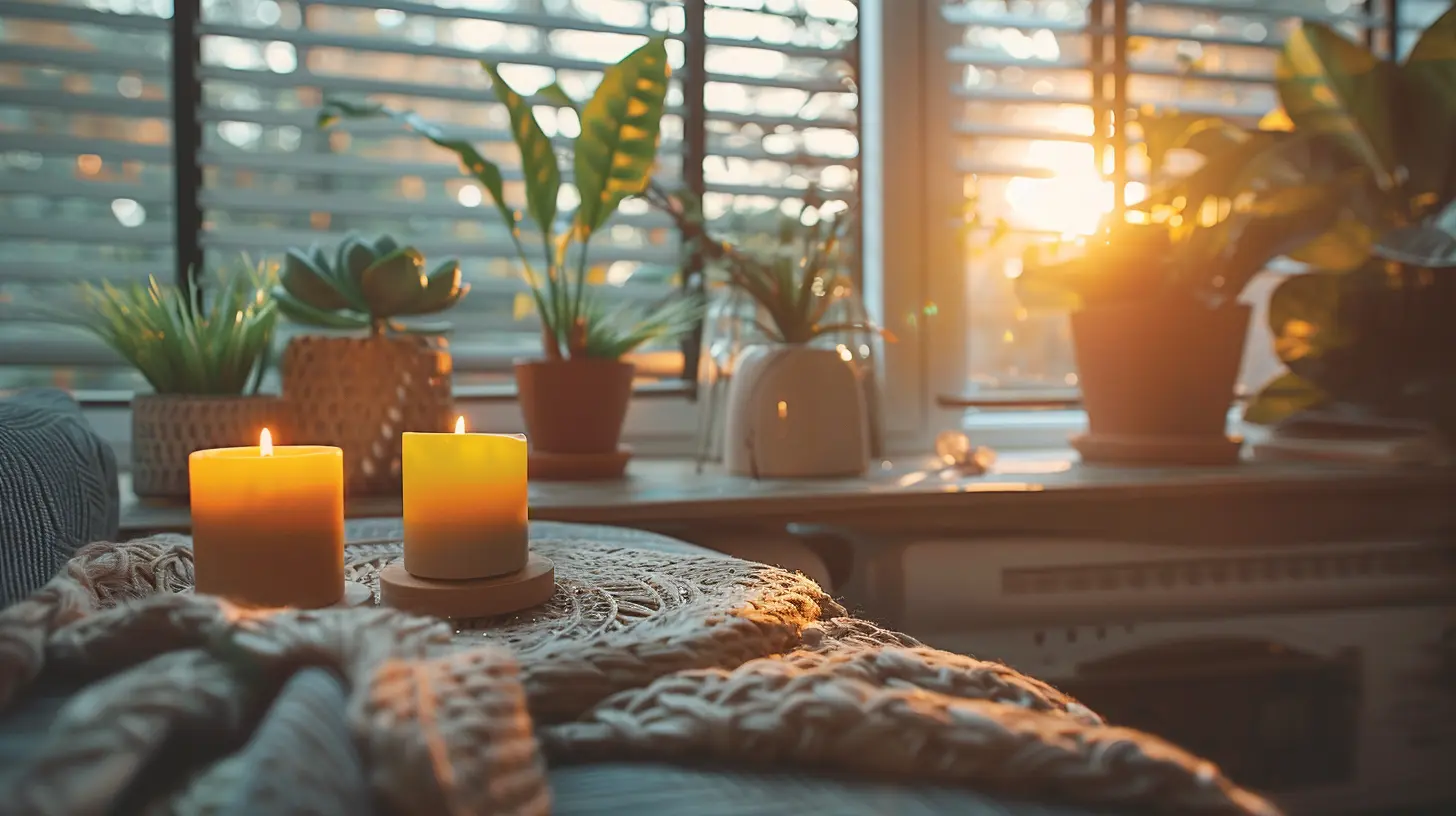
Why Creating a Calm Home Matters
Your environment shapes your mental state more than you might think. A cluttered, noisy, or chaotic home can contribute to anxiety, restlessness, and even physical fatigue. In contrast, a clean and calm space can help your brain relax, focus, and feel safe.Think of your mind like a sponge. If it’s constantly soaking up noise, distractions, mess, and tension, there’s barely any room left for peace or joy. That’s why crafting a soothing environment is essential—it’s not a luxury, it’s a necessity.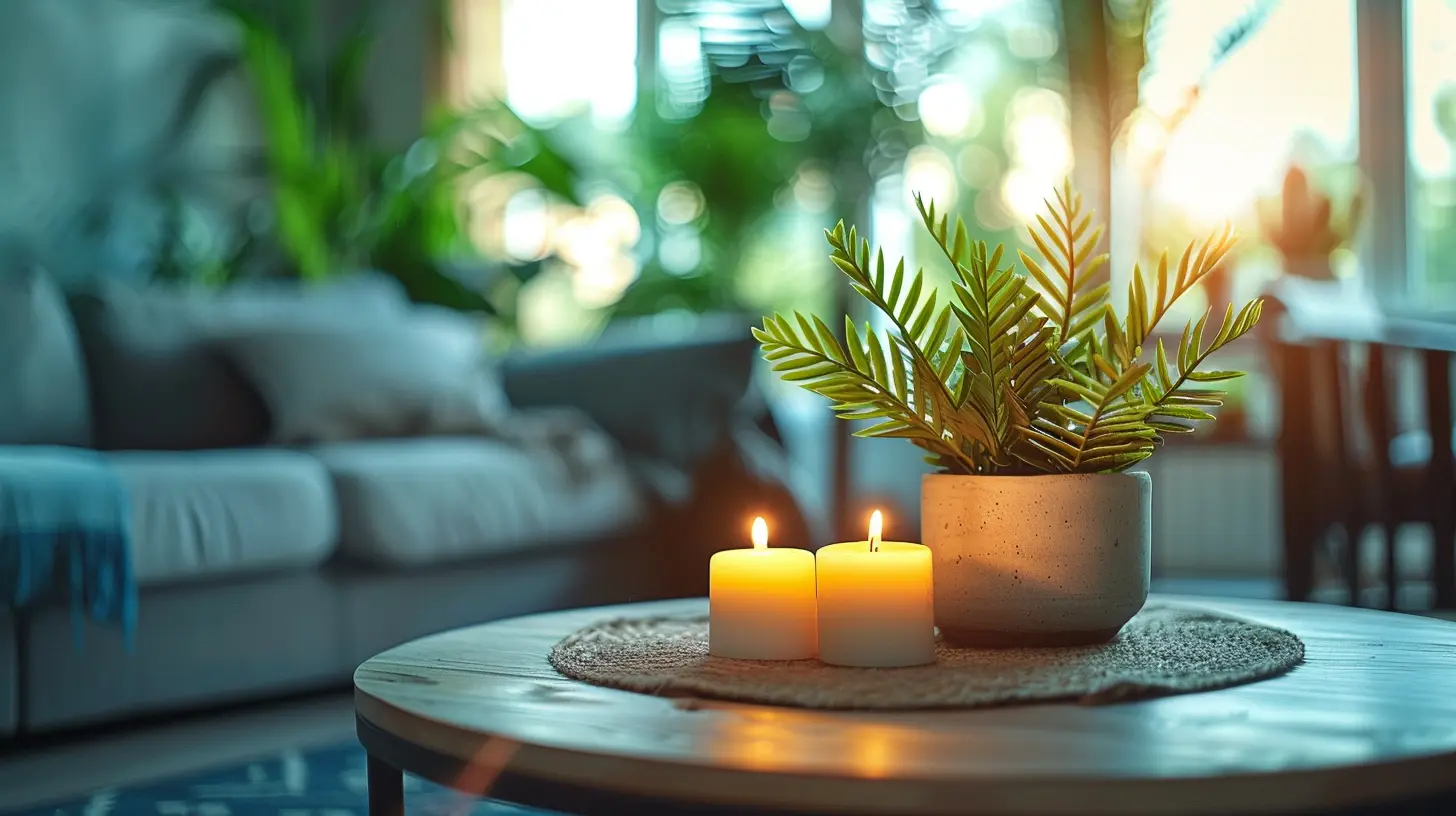
Step 1: Declutter Like Your Peace Depends on It (Because It Does)
You’ve probably heard this before, but let’s say it louder for the folks in the back: clutter equals chaos.Clutter doesn’t just take up physical space—it clogs up mental space as well. Every pile on your desk or clothing draped over furniture becomes a visual reminder of something undone. That’s stress you don’t need.
Decluttering Tips:
- Start small: Begin with a drawer, a shelf, or one room.- Ask yourself: Does this item serve a purpose or bring me joy?
- Donate or discard: Be honest—if you haven't used it in a year, it’s probably time to let it go.
Decluttering isn’t just tidying—it’s emotional hygiene. You’re making space not just in your house, but in your mind.
Step 2: Let Light In—It’s Nature’s Antidepressant
Sunlight is a mood booster, plain and simple. Exposure to natural light increases serotonin production, which helps you feel happier and calmer.Here's how to maximize natural light:
- Keep windows clean: Even a little grime can block a lot of light.- Use sheer curtains: They diffuse harshness without blocking brightness.
- Rearrange furniture: Keep larger pieces of furniture away from windows.
And if your space doesn’t get a lot of natural light? Invest in some full-spectrum light bulbs or a light therapy lamp. It’s not quite the sun, but it’s the next best thing.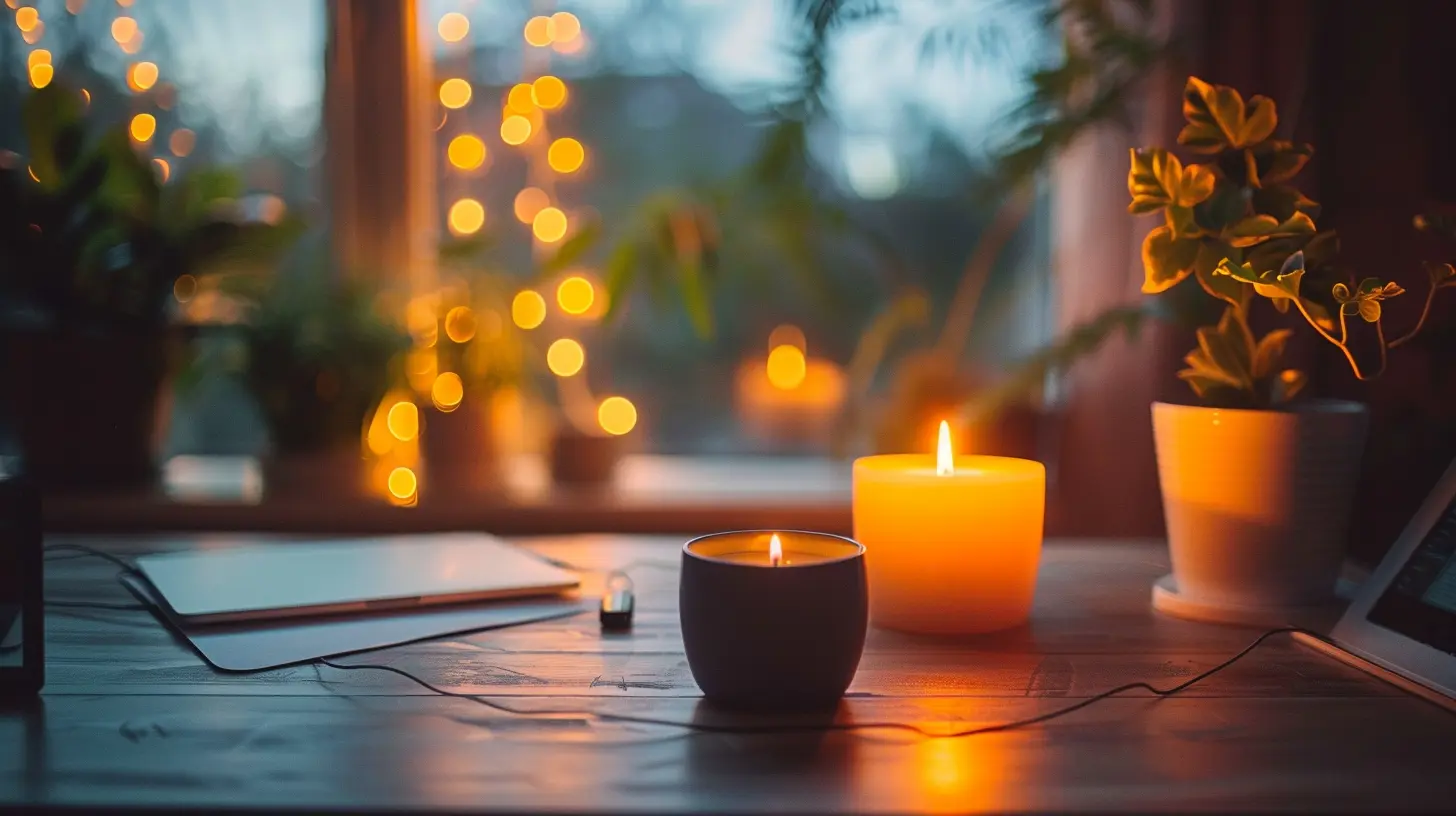
Step 3: Choose Colors That Soothe, Not Stimulate
Colors talk—even if you don’t realize it. Bright reds and neon greens might be exciting, but they shout instead of whisper. What you want in a peaceful home is a color palette that whispers, “Relax.”Calming Color Choices:
- Soft blues and greens: Like water and nature, they evoke serenity.- Neutrals and earth tones: Think beiges, taupes, and warm grays.
- Pastels: Soft pinks, lavender, or muted yellows can feel light and airy.
Not sure where to start? Paint a small wall or add some calming accessories like throw pillows or art. Your eyes—and nervous system—will thank you.
Step 4: Bring Nature Indoors
You don’t need to live in a forest to feel the grounding effect of nature. Indoor plants are like little calm machines. They purify the air, reduce stress, and make your space feel more alive and less sterile.Best Low-Maintenance Plants for Peace:
- Snake plant: Practically unkillable.- Peace lily: Even the name screams tranquility.
- Pothos: Hardy, lush, and perfect for hanging.
If you’re not into plants? No problem. Try using natural materials like wood, bamboo, or stones in your décor. Even nature-inspired artwork can evoke similar feelings of calm.
Step 5: Reduce Noise Pollution—Create a Sound Sanctuary
We often underestimate how noise affects our mood. That loud TV in the background or the constant dinging from your phone? They’re stealing your peace one alert at a time.Create a Quieter Home:
- Use rugs and curtains: They absorb sound and reduce echo.- White noise machines or calming music: Great for masking intrusive sounds.
- Tech boundaries: Turn off notifications, or better yet, leave your phone in another room for an hour or two.
Silence isn’t empty—it’s full of answers. Giving your brain a break from noise helps it reset and recharge.
Step 6: Designate A ‘Zen Zone’
Every home should have a corner, however small, that's meant purely for unwinding. This is your “Zen Zone”—a stress-free space with no bills, no laundry, no screens (if you can help it).What to Put in Your Zen Zone:
- A comfy chair or floor cushion- Soft lighting or candles
- A cozy blanket
- Maybe a journal or your favorite book
This space is a signal to your brain: “Hey, it’s okay to let go now.”
Step 7: Keep Things Scent-sational
Ever walk into a room and instantly feel calm because of how it smells? That’s not just in your head—it’s science. Scent has a direct connection to the emotional center of the brain.Calming Scents to Try:
- Lavender: Great for winding down at night- Eucalyptus: Fresh and clears mental fog
- Chamomile or vanilla: Comforting and sweet
Use essential oil diffusers, candles, or even simmer some orange peels and cinnamon on the stove. Smells hold memories—and can also hold you in the moment.
Step 8: Simplify Your Décor
More isn’t always better. A minimal, intentional space invites the mind to settle. Every object in your home should have a reason—either it serves you or it soothes you.Tips for Intentional Décor:
- Limit wall art: One or two meaningful pieces are better than a gallery wall of clutter.- Stick to a theme: Whether it's coastal, boho, or Scandinavian—consistency calms.
- Leave breathing room: Empty space is not wasted space; it gives your eyes a rest.
Your home isn’t a museum; it’s a retreat. Design it like it’s your healing space.
Step 9: Tidy Daily, Not Occasionally
The truth? Peace doesn’t come from perfection. It comes from daily habits that prevent things from spiraling.Create a 10-Minute Daily Routine:
- Fluff pillows- Wash dishes
- Put away laundry
- Wipe down counters
- Light a candle
Ten minutes at the end of your day can mean waking up to calm instead of chaos. It’s a small price for a big mental payoff.
Step 10: Set Emotional Boundaries at Home
Physical changes help, but emotional boundaries are the glue that holds your peaceful home together.Are you allowing work stress to spill into your evenings? Are you saying “yes” to things at home that wear you down? Your home has to be a stress-guarding forcefield, not just an address.
Try This:
- Set a ritual to “close” your workday (e.g., shut your laptop and light a candle)- Have an honest talk with anyone who disrupts your peace
- Make space for “you time” daily—even if it’s just 15 minutes
Mental clarity needs a container. Home should be that container.
Final Thoughts: Peace Is Personal
The truth is, creating a calm, stress-free home isn’t about having the prettiest space or the most luxurious items. It’s about how it makes you feel.Your home should be the place where your shoulders drop, your breath slows, and your mind finds rest. Don’t wait for the “perfect time” to get started. Every small change matters.
Start with a corner... then a room... and soon, you’ll have an entire home that feels like a deep exhale.
all images in this post were generated using AI tools
Category:
Stress ReliefAuthor:

Gloria McVicar