How Social Norms Shape Our Everyday Behavior
2 May 2026
Have you ever stopped mid-step, suddenly unsure which side of the sidewalk to pass on, just because someone was heading straight toward you? Or maybe you’ve stifled a laugh in a quiet room, even though something was really funny? That, my friend, is the power of social norms.
We don’t always realize it, but our lives are practically choreographed by invisible strings—unwritten rules we’ve soaked up since childhood. These rules don’t live in law books. Instead, they live in our minds and communities, silently guiding how we dress, talk, walk, and even how we express emotions.
In this article, we’re going deep into how social norms shape our everyday behavior. We’ll unpack where they come from, why we follow them (even when we don’t want to), and what happens when we decide to break them.
Let’s get into it.
What Exactly Are Social Norms?
First things first: what are social norms? Think of them as mental shortcuts for how to behave in certain situations. They're the unwritten “rules” that tell us what’s acceptable and what’s not within our culture, group, or society.There are two main types of social norms:
- Descriptive norms – What most people actually do. (Like how everyone claps at the end of a movie in some cultures.)
- Injunctive norms – What people should do, according to society. (Like not cutting in line.)
These norms aren’t fixed in stone, and they can vary wildly depending on where you are, who you're with, and what you’ve learned.
Where Do Social Norms Come From?
Social norms are born out of collective behavior. Basically, when a group of people continues to act a certain way and it works well enough, that behavior becomes a standard.Let’s break it down:
- Family and upbringing: Our earliest exposure to norms comes from our family. Think about table manners or the way we speak to elders.
- Culture and society: Broader cultural values shape what’s considered "normal." For example, hugging a friend might be common in Brazil but awkward in Japan.
- Peers and social groups: Ever changed your fashion or slang just to fit in with a group? That’s peer-driven norm adaptation.
- Media and technology: From Instagram trends to viral TikTok behaviors, media constantly introduces new “norms,” even if they’re temporary.
Over time, we internalize these social cues, and they begin to influence our behavior automatically.
The Psychology Behind Why We Follow Them
Why do we care about fitting in so much? Because deep down, we're wired to belong. Humans are social creatures, and feeling like part of a group has always been crucial to our survival.Here’s what’s going on psychologically:
1. Fear of social rejection
Nobody likes being the odd one out. That uncomfortable feeling when you wear the wrong outfit to a party? It’s your brain trying to protect you from social exclusion.2. Need for approval
We naturally seek affirmation. Getting that nod or smile of approval from others is like getting a dopamine hit. It feels good.3. Cognitive efficiency
Norms help reduce mental effort. Imagine walking into a new place and having to figure out everything from scratch. Exhausting, right? Norms save brain power by giving us a behavioral roadmap.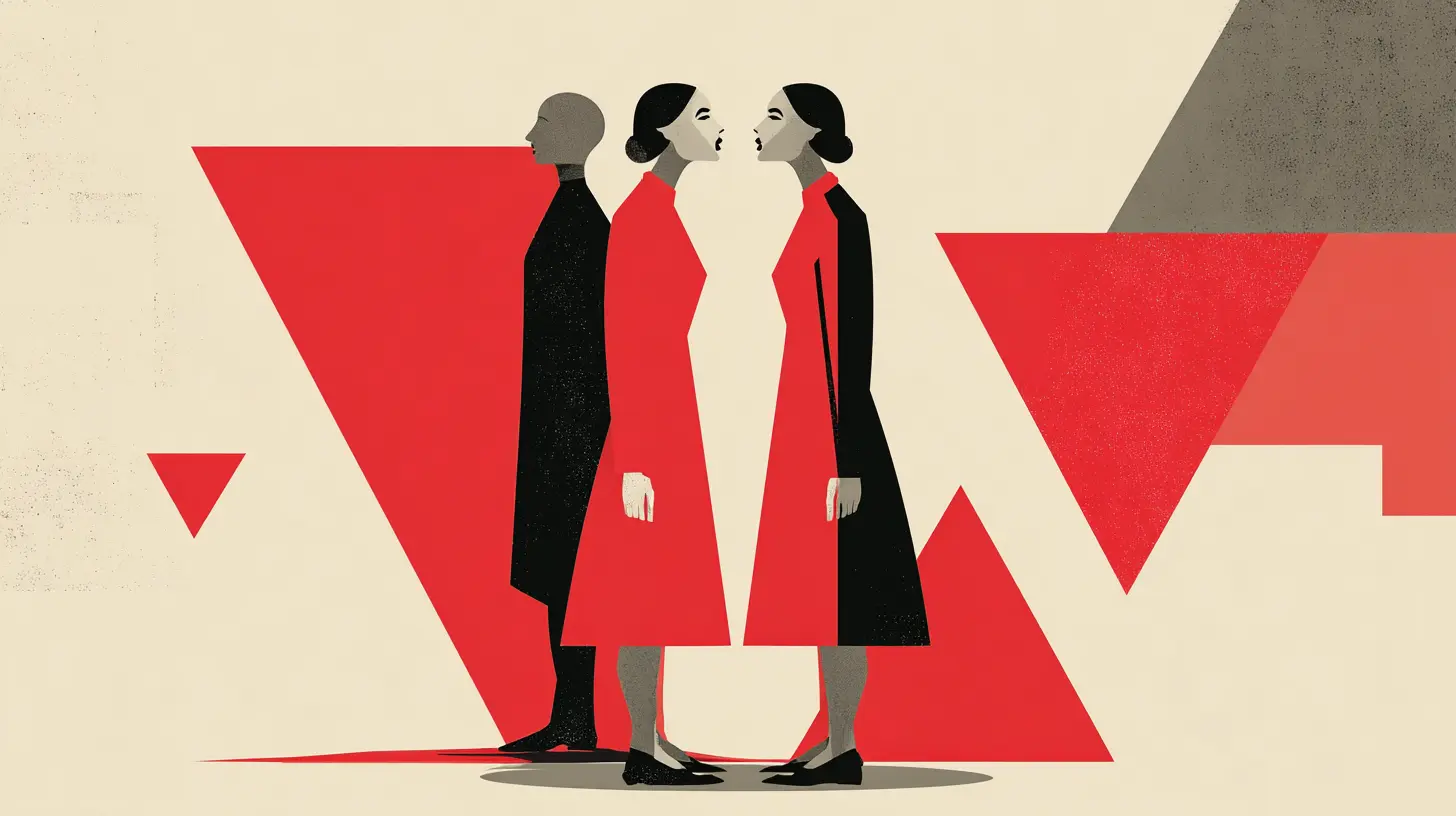
Little Ways Norms Shape Our Daily Lives
You might not even notice half the norms you follow. But they’re everywhere, subtly influencing how you behave from morning till bedtime. Let’s look at a typical day:Morning routines
You wake up, brush your teeth, shower, and get dressed. Why? Because society expects us to be "presentable" in public. If you showed up at work in pajamas, you’d break a pretty big norm.Commuting
Whether you drive, take the bus, or walk, you follow traffic rules and unspoken etiquette—like not blasting loud music in a crowded subway.At work or school
You raise your hand before speaking in class, respond politely to emails, and dress according to what’s considered professional. These are all norms specific to workplace or academic culture.Social interactions
Simple gestures like saying “please” and “thank you,” maintaining eye contact, or respecting personal space—these are all social behaviors we’ve learned to avoid seeming rude.When We Break the Rules: The Cost of Defying Norms
Let’s be real—going against social norms can be uncomfortable. Sometimes, it’s downright risky.Depending on the norm and the context, breaking it could lead to:
- Judgment or gossip
- Embarrassment or shame
- Punishment or consequences (like getting kicked out of a group or losing a job)
- Physical danger, in certain cultures or countries where norms are strictly enforced
But here’s the interesting part: not all norm-breaking is bad. Some of the biggest social changes in history—like civil rights movements, women's suffrage, or even the shift toward remote work—started because people challenged existing norms.
Social Media and the Evolution of Norms
Social media isn't just reshaping how we communicate—it's rewriting the rulebook on behavior. Platforms like Instagram, X (formerly Twitter), and TikTok amplify trends, set new norms, and sometimes even collapse old ones.Think about:
- Cancel culture – A new form of punitive norm enforcement.
- Influencer culture – Influencers often set the standard for what’s cool or acceptable, especially for younger generations.
- Online etiquette – A whole new world of norms around digital behavior, like not texting in ALL CAPS or using the right emojis.
In some cases, online spaces also give people freedom to challenge real-world norms without the same consequences.
Cultural Differences in Norms: What’s “Normal” Changes
Here’s where it gets fascinating—what’s totally fine in one culture might raise eyebrows in another.Take eye contact, for example:
- In the U.S., it’s seen as confident and respectful.
- In some Asian cultures, too much eye contact is considered rude or confrontational.
Or even how we express emotions:
- Some cultures encourage open expression and individualism.
- Others value restraint and group harmony.
This is why being culturally aware matters, especially in our increasingly global world. It helps us avoid misinterpretation and shows respect.
Can Social Norms Change? Absolutely.
Social norms aren’t set in stone. They’re more like clay—constantly molded by collective behavior and belief systems. And with enough momentum, they can shift significantly.Here’s how change usually happens:
1. Awareness – Someone (or many people) starts questioning the norm.
2. Resistance – There’s often pushback. People resist change.
3. Acceptance – Over time, the new behavior is seen as acceptable or even expected.
4. Internalization – The new norm becomes second nature.
Take the growing normalization of mental health conversations. Just a decade ago, talking openly about therapy or depression was taboo in many places. Now, it’s becoming more common—and that’s thanks to millions of people slowly chipping away at the old norms.
How to Recognize and Reflect on the Norms You Follow
Want to better understand how social norms impact your behavior? Try this:- Observe your own reactions. When someone does something “off,” what’s your gut reaction? That’s a norm being challenged.
- Ask yourself why. Where did this expectation come from? Is it still serving you?
- Experiment gently. Try small deviations (like wearing something a little different or speaking up more than usual) and see how it feels.
- Stay curious. Especially when encountering people from different cultures or communities. What’s normal for them, and how does it differ from your norms?
Final Thoughts: You’re More Influenced Than You Think
It’s kind of mind-blowing, isn’t it? So many of our decisions each day aren’t completely “ours.” They’re influenced—sometimes heavily—by the expectations of others.That doesn’t make us mindless followers, though. It just means we’re social beings, shaped by the world around us. Understanding that gives us power. Once we see the norms, we get to question them, reshape them, and maybe even create better ones.
So the next time you hesitate before doing something “different,” ask yourself: Am I following a rule because it’s right—or just because it’s normal?
That little question might just be the start of some serious inner freedom.
all images in this post were generated using AI tools
Category:
Social PsychologyAuthor:

Gloria McVicar
Discussion
rate this article
1 comments
Tatianna McTigue
It's wild how we tiptoe through life, balancing on the invisible tightrope of social norms... like quirky acrobats of society!
May 5, 2026 at 2:32 AM
Gloria McVicar
Absolutely! It's fascinating how we all navigate those unwritten rules, shaping our interactions in such unique ways.