How Nature Can Calm Your Mind and Reduce Stress
2 December 2025
Let’s admit it—life can get utterly chaotic. Between endless to-do lists, buzzing phones, and that constant pressure to be "on" 24/7, our brains rarely get a moment to breathe.
But what if the cure for our stress isn't another productivity hack or a fancy meditation app, but something way simpler? Picture this: trees swaying gently, birds chirping without a care, sun filtering through the leaves. Sounds good already, doesn’t it?
In this article, we’ll dive deep into how nature isn’t just pretty to look at—it’s actually a scientifically backed, mood-boosting, stress-slashing powerhouse. So, grab a cozy drink, kick back, and let’s wander into the wild benefits of the great outdoors.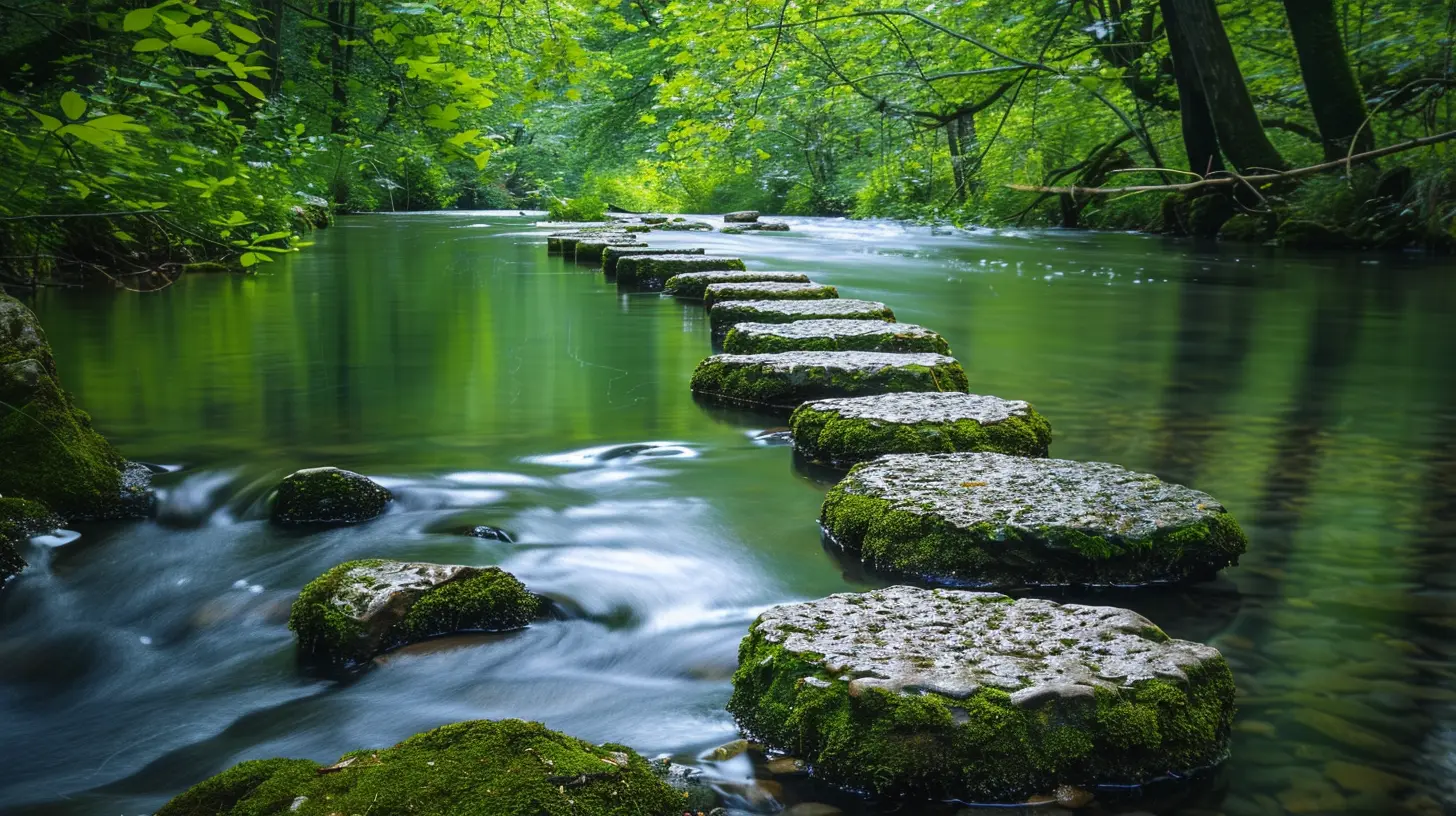
Why We’re More Stressed Than Ever
Modern life is fast. Like, warp-speed fast. We juggle jobs, relationships, notifications, finances, mental health—the list goes on. Our brains are constantly bombarded, and it’s exhausting. Chronic stress has become the norm, not the exception.It’s no wonder mental health issues like anxiety and depression are on the rise. We’re out of sync—with ourselves and with nature. But that’s not how we were meant to live. We evolved outdoors, not in cubicles or behind screens.
So, what happens when we return to our roots?
The Science Behind Nature’s Calm
Turns out, stepping into nature isn’t just a poetic idea—it literally rewires your brain.Studies have shown that spending time in natural environments lowers cortisol (your body’s main stress hormone), slows down your heart rate, and even reduces muscle tension. Basically, it flips your brain into chill mode.
Want some numbers? A 2020 study published in Frontiers in Psychology found that people who spent just 20 minutes in nature significantly reduced their cortisol levels. No therapy session required.
And it's not just about stress relief. Nature enhances cognitive function, boosts creativity, and even improves memory. Your brain loves green spaces—more than it loves caffeine (yes, really).
Nature and the Nervous System: A Love Story
When you're stressed, your sympathetic nervous system kicks in—cue the fight-or-flight mode. Great for running from lions. Not so great for replying to work emails.Nature, however, activates the parasympathetic nervous system, aka "rest and digest" mode. It's like hitting the reset button. Your body relaxes, your breathing slows, and your mind clears.
This isn’t just hippie talk—it’s hardcore biology.
Think of your brain like a sponge soaked with stress. Nature squeezes some of that out, making room for calm, clarity, and maybe even a little joy.
Green Spaces and Mental Health: What the Research Says
Tons of research backs up what nature lovers have been saying all along: getting outside makes you feel better.Here’s a snapshot of what science says:
- A 2015 Stanford study found that people who walked in a natural setting (vs. a busy city street) showed decreased activity in the part of the brain linked to depression.
- Japanese researchers have long studied the benefits of “Shinrin-yoku” or “forest bathing,” and found it lowers blood pressure and anxiety.
- A 2019 UK study revealed that spending just two hours a week in nature improved overall well-being and life satisfaction.
Nature isn't a luxury—it's a necessity.
Quick Walks, Big Wins
Here’s the best part: you don’t need to go full Bear Grylls to feel the benefits.Even a 10-minute walk in your local park can work wonders. Yes, seriously.
Short bursts of nature exposure are enough to:
- Lower your heart rate
- Improve your mood
- Boost your focus
- Calm your nerves
So next time you’re about to hit peak stress levels, leave your phone behind and take a stroll. Think of it as a "reset" for your brain.
How Nature Influences Mindfulness
Mindfulness is basically the art of being present. And nothing gets you in the moment quite like nature.Have you ever watched leaves dancing in the wind? Or listened to the rhythm of raindrops on a rooftop? Nature invites you to slow down, breathe, and connect—with the world and with yourself.
There’s something grounding about standing barefoot in the grass or watching a sunset without a camera in hand. You’re not multitasking. You’re just being. And that, in itself, is healing.
Biophilia: Why We Crave Nature
Here’s an interesting term to toss into your next conversation: biophilia. It means "the innate human tendency to seek connections with nature and other forms of life."In other words, we’re wired to love nature. That’s why hospital rooms with garden views lead to faster healing. Or why kids do better in schools with outdoor learning spaces.
We crave it because it’s part of us. Deep down, we're not just people—we're nature too.
Can't Escape the City? Bring Nature to You
Not all of us can escape to a forest cabin every weekend. (If you can, lucky you!)But even in concrete jungles, there are creative ways to infuse nature into your daily life:
🌿 Houseplants Galore
Add some leafy friends to your home or workspace. Just looking at greenery can reduce stress and increase productivity.🎧 Nature Sounds
Pop in some earbuds and listen to ocean waves, rustling leaves, or birdsong. Your brain will respond like you're actually there.🖼️ Natural Imagery
Hang landscape photos or nature-inspired artwork where you can see it often. It sparks the same calming response.🌱 Tiny Green Spaces
Got a tiny balcony or windowsill? Turn it into a mini garden. Even a few herbs in pots can boost your mood.Nature and Sleep: A Match Made in Heaven
Ever notice how you sleep like a baby after a day spent outdoors?Natural sunlight helps regulate your circadian rhythm—your body’s internal clock. That leads to deeper, more restful sleep. Plus, spending time outside is physically tiring in the best way.
So if you’re tossing and turning at night, try adding more daylight and fresh air to your routine. It could be the lullaby your body’s been asking for.
How to Add More Nature Into Your Life (Without Quitting Your Job)
You don’t need to live in a treehouse to reap the benefits of nature. Here are some down-to-earth ways to sneak it into your busy life:- Start your day with coffee on the porch instead of scrolling your phone.
- Take your lunch break outside—even if it’s just sitting on a bench.
- Walk or bike instead of drive when possible.
- Replace one gym session a week with a trail hike or beach run.
- Try outdoor hobbies like gardening, birdwatching, or stargazing.
The goal isn’t to overhaul your life—it’s to make space for stillness and sunlight.
The Secret Ingredient to Happiness?
So, is nature the magic pill we’ve been overlooking? Maybe.It’s free, readily available, and doesn’t require a prescription. It whispers, instead of yells. It holds space when your mind can’t. It’s one of the few things in life that simply asks you to show up—and rewards you for it.
When stress gets loud, nature gets louder (in the quietest way possible). Maybe that’s the kind of therapy we’ve all been needing.
Final Thoughts: Let Nature Work Its Magic
At the end of the day, we all need a place to hit pause. Nature doesn’t judge, doesn’t rush, and doesn’t need you to be anything other than you.Whether it’s a walk in the park, a hike through the hills, or simply watching the sky change colors—let nature be your soft place to land. Because sometimes, the best way to find peace of mind... is to lose yourself in the woods for a while.
all images in this post were generated using AI tools
Category:
Stress ReliefAuthor:

Gloria McVicar
Discussion
rate this article
1 comments
Mariana Montgomery
This article beautifully highlights the healing power of nature! Embracing the outdoors can truly transform our mental well-being. Thank you for sharing such valuable insights!
December 15, 2025 at 4:27 AM
Gloria McVicar
Thank you for your kind words! I'm glad you found the article insightful—nature truly has an incredible impact on our mental well-being.