How Emotional Growth Transforms Your Identity
14 June 2026
Have you ever looked back at your past and realized you're not the same person you used to be? Maybe you've outgrown certain habits, relationships, or ways of thinking. That’s emotional growth at work—it quietly reshapes your identity over time.
Emotional growth isn’t just about managing feelings better; it’s about evolving into a version of yourself that aligns more with who you truly are. It affects how you see yourself, how you navigate relationships, and even how you respond to challenges. So, let’s break it down and understand exactly how emotional growth transforms your identity. 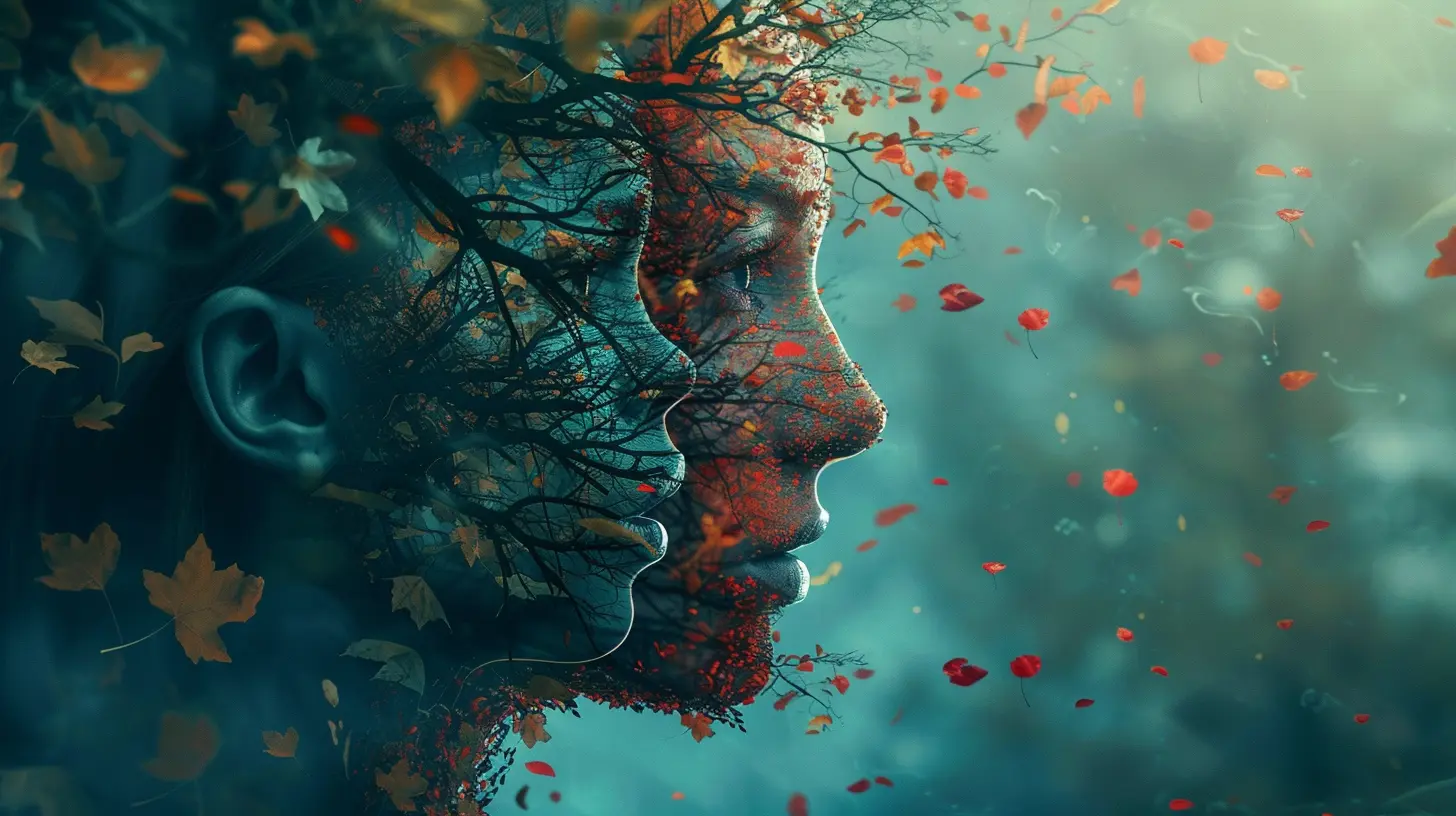
What Is Emotional Growth?
Before we dive into its impact, let's get one thing straight—what exactly is emotional growth?Simply put, emotional growth is the process of becoming more aware of your emotions, understanding them, and learning to manage them in a healthy way. It involves:
- Developing emotional intelligence
- Recognizing unhealthy patterns and breaking them
- Improving self-awareness and self-control
- Learning from past experiences instead of repeating mistakes
Think of it as upgrading your inner software—you're constantly improving, adapting, and becoming more emotionally resilient. 
How Emotional Growth Shapes Your Identity
1. You Become More Self-Aware
One of the biggest shifts that happen during emotional growth is an increase in self-awareness. You start noticing how certain situations trigger you, how your emotions influence your decisions, and what truly makes you happy or stressed.With this awareness, you become more intentional about your choices. Instead of reacting impulsively, you pause and reflect. Over time, this shapes your identity because you're no longer operating on autopilot—you’re making decisions that align with your values.
> Think of self-awareness like adjusting the mirror in a car. The clearer the reflection, the better you navigate the road ahead.
2. Your Beliefs and Values Evolve
As you grow emotionally, you start questioning the beliefs you once held as absolute truths. Maybe you were raised with certain ideas about success, love, or happiness that no longer resonate with you.Emotional growth pushes you to re-evaluate these beliefs and adopt new ones that feel more authentic. This shift can completely redefine how you see yourself and your place in the world.
> Imagine your beliefs as a wardrobe. Over time, you realize some clothes no longer fit, so you replace them with ones that suit you better.
3. Your Relationships Improve (Or Change)
The way you connect with others is a direct reflection of your emotional growth. When you're more emotionally mature, you:- Set healthier boundaries
- Communicate more effectively
- Choose relationships that nurture, rather than drain, you
Sometimes, emotional growth also means outgrowing people. If a friendship or relationship no longer aligns with your values, you might find yourself naturally drifting apart. And that's okay—it’s a sign that you’re evolving.
> Think of relationships like plants. The ones that receive the right care thrive, while others might wilt if they’re no longer meant to grow in your garden.
4. You Handle Challenges Differently
Ever notice how some people crumble under pressure while others stay calm and find solutions? That ability to stay resilient doesn’t happen by chance—it’s the result of emotional growth.When you develop emotional intelligence, setbacks no longer feel like personal failures but rather opportunities to learn. You stop seeing obstacles as roadblocks and start viewing them as stepping stones.
> Imagine life as a video game. The challenges (or "boss levels") aren’t there to stop you; they’re there to make you stronger.
5. Your Self-Confidence Grows
Emotional growth naturally boosts your self-confidence. Why? Because as you gain a better understanding of yourself, you stop seeking validation from others.You trust your own decisions. You stop doubting your worth. You no longer feel the need to fit into a mold that society dictates.
This shift is powerful because confidence isn’t just about how you appear to others—it’s about how you feel about yourself when no one is watching.
> Confidence is like a muscle—the more you exercise it through emotional growth, the stronger it becomes.
6. You Let Go of the Past
Holding onto past mistakes, regrets, or emotional wounds can keep you stuck in an outdated version of yourself. Emotional growth helps you process these experiences, make peace with them, and move forward.This doesn’t mean forgetting what happened—it means no longer allowing the past to define you. When you let go of emotional baggage, you make space for new experiences that shape a healthier, happier version of yourself.
> Think of it like cleaning out a cluttered closet. Once you remove what no longer serves you, you make room for something better. 
How to Foster Emotional Growth in Your Life
Now that we’ve talked about how emotional growth transforms your identity, how can you actively cultivate it? Here are some practical steps:1. Practice Self-Reflection
Take time to check in with yourself. Journaling, meditation, or even deep conversations with a trusted friend can help you process your emotions and understand yourself better.2. Embrace Discomfort
Growth happens outside of your comfort zone. Don’t shy away from difficult conversations, tough decisions, or uncomfortable emotions. They’re opportunities for transformation.3. Surround Yourself with Growth-Minded People
The people in your life influence your emotional growth. Spend time with those who challenge you, inspire you, and support your evolution.4. Set Emotional Boundaries
Know what drains your energy and learn to say no. Protecting your emotional well-being is crucial for sustained growth.5. Seek Professional Help When Needed
Therapy, coaching, or even self-help books can provide valuable insights and strategies for emotional growth. There’s no shame in seeking help—it’s a sign of strength.
Final Thoughts
Emotional growth isn’t something that happens overnight. It's a lifelong journey of learning, unlearning, and evolving into the best version of yourself.As you grow emotionally, your identity transforms in ways you never imagined. You become more self-aware, confident, and resilient. Your relationships deepen, your mindset shifts, and you start living life with more intention and authenticity.
So, the next time you feel like you're changing, don’t resist it—embrace it. That’s emotional growth doing its magic, carving out a new, wiser, and more aligned version of you.
all images in this post were generated using AI tools
Category:
Emotional GrowthAuthor:

Gloria McVicar
Discussion
rate this article
1 comments
Layla Mendoza
Emotional growth reshapes who we are, helping us understand ourselves better and build stronger connections with others. It's truly transformative.
June 27, 2026 at 3:35 AM