Exploring the Link Between ADHD and Addiction
15 December 2025
Attention Deficit Hyperactivity Disorder (ADHD) and addiction—two conditions that may seem unrelated at first glance—are actually deeply connected. If you’ve ever wondered why so many people with ADHD struggle with substance abuse, you're not alone. The truth is, ADHD and addiction often go hand in hand, and understanding this link is crucial for prevention and treatment.
Let’s break it down and get to the bottom of this complex relationship.

ADHD and the Brain: A Recipe for Risk-Taking
ADHD isn’t just about being hyperactive or easily distracted—it’s a neurological condition that affects impulse control, emotional regulation, and reward processing.People with ADHD tend to have lower levels of dopamine, the brain chemical responsible for pleasure and reward. This means they constantly crave stimulation, excitement, and instant gratification. Ever noticed how some ADHD individuals take risks without thinking? That’s because their brains are wired for seeking immediate rewards, sometimes at the expense of long-term consequences.
Now, guess what else plays with dopamine? Addictive substances. Drugs, alcohol, even gambling—they all hijack the brain’s reward system, temporarily boosting dopamine levels and creating a sense of pleasure. And for someone with ADHD who’s already running on low dopamine, that temporary high can feel irresistible.

How ADHD Increases the Risk of Addiction
So, why do people with ADHD have a higher chance of falling into addiction? Let’s break it down:1. Impulse Control Issues
People with ADHD often struggle with impulse control. They act first and think later. This makes it easier for them to experiment with drugs, alcohol, or other addictive behaviors without considering the consequences. What starts as “just trying it out” can quickly spiral into dependency.2. Self-Medication
Many people with ADHD turn to substances as a way to cope with their symptoms. Feeling restless? Alcohol can help calm the mind. Struggling to focus? Stimulants like cocaine or methamphetamine can provide a temporary boost. But here’s the catch—what starts as self-medicating can quickly lead to full-blown addiction.3. Dopamine Deficiency
As mentioned earlier, ADHD is linked to lower dopamine levels. Drugs, alcohol, and certain addictive behaviors (like gambling or gaming) temporarily flood the brain with dopamine, making people with ADHD more vulnerable to seeking out these “quick fixes” repeatedly.4. Reckless Behavior & Thrill-Seeking
ADHD often comes with a need for excitement and novelty. Boredom? That’s a nightmare for someone with ADHD. Some turn to extreme sports or high-adrenaline activities, while others turn to substances that promise an instant thrill. The need to chase that next high can drive people into a cycle of addiction.5. Emotional Dysregulation
ADHD makes it harder to regulate emotions. Many individuals experience anxiety, depression, or intense mood swings. In an attempt to numb emotional pain or feel more in control, they may turn to alcohol, drugs, or even compulsive behaviors like binge eating or shopping.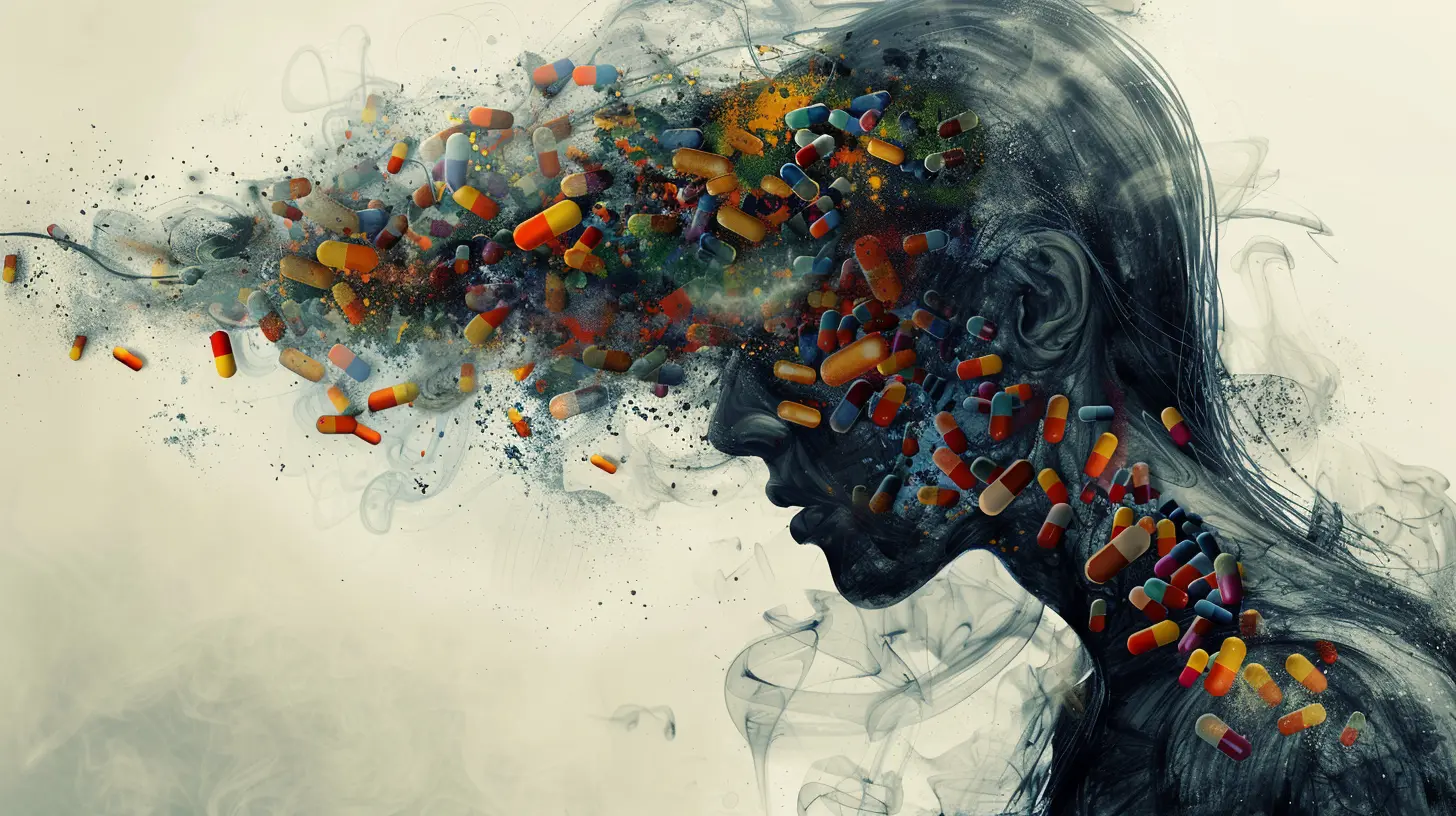
The Science Behind ADHD and Addiction
Research confirms that ADHD folks are at a higher risk of developing substance use disorders. According to studies, individuals with ADHD are two to three times more likely to struggle with addiction compared to those without ADHD.But here’s where it gets even trickier: addiction changes the brain in ways that worsen ADHD symptoms. Substance abuse can further impair attention, increase impulsivity, and throw emotional regulation completely out of whack. It’s a vicious cycle—ADHD leads to addiction, and addiction makes ADHD even harder to manage.

The Most Common Addictions in People with ADHD
While anyone can develop an addiction, certain types are particularly common among individuals with ADHD:1. Nicotine
Cigarettes, vaping, nicotine gum—people with ADHD are more likely to pick up and stick with nicotine products. Why? Because nicotine temporarily enhances focus and boosts dopamine, making it an easy (but dangerous) self-medication tool.2. Alcohol
Alcohol slows down the brain, which can feel like relief for someone with a racing ADHD mind. But excessive drinking can lead to dependency, worsen impulsivity, and create long-term problems.3. Stimulants (Cocaine, Meth, etc.)
Stimulants provide a temporary dopamine surge, which is particularly addictive for someone with ADHD. Many users report that stimulants help them “think clearly” or “feel normal,” but the crash afterward only worsens ADHD symptoms.4. Marijuana
Some individuals with ADHD use marijuana to relax or reduce anxiety. However, chronic use can mess with motivation and cognitive function, making ADHD symptoms worse in the long run.5. Behavioral Addictions (Gaming, Shopping, Gambling, etc.)
Not all addictions involve substances. Many people with ADHD become addicted to things like video games, social media, compulsive shopping, or gambling—all of which provide instant gratification and dopamine boosts.Breaking the Cycle: ADHD Treatment & Addiction Recovery
The good news? ADHD and addiction can both be managed effectively. But the key is treating ADHD first—because if the underlying ADHD symptoms aren’t addressed, breaking free from addiction becomes significantly harder.Here’s what works:
1. Proper ADHD Treatment
For many, ADHD medications like stimulants (e.g., Adderall, Ritalin) or non-stimulants (e.g., Strattera) can help regulate dopamine levels and improve impulse control. When ADHD symptoms are managed properly, the urge to self-medicate with drugs or alcohol often decreases.2. Cognitive Behavioral Therapy (CBT)
CBT helps individuals recognize unhealthy thought patterns and develop better coping strategies. It’s particularly useful for addressing impulse control issues and breaking addiction cycles.3. Mindfulness & Meditation
Practicing mindfulness can help ADHD individuals gain better control over their impulses and emotions. Meditation, deep breathing, and mindfulness exercises can be powerful tools in addiction recovery.4. Healthy Dopamine Boosts
Instead of chasing dopamine through substances, ADHD individuals can seek out healthier ways to stimulate their brains—exercise, creative hobbies, music, or even cold showers (yes, really!) can boost dopamine naturally.5. Support Groups & Therapy
Joining ADHD support groups or addiction recovery programs (like AA or NA) can provide much-needed guidance and motivation. Connecting with others who understand the struggle can make a huge difference.
Final Thoughts
The link between ADHD and addiction isn’t just a coincidence—it’s a deeply rooted connection based on brain chemistry, impulsivity, and self-medication. If you or someone you love struggles with both, know that you’re not alone, and help is available.Understanding the relationship between ADHD and addiction is the first step toward breaking the cycle. With the right strategies, treatment, and support, recovery is absolutely possible. And remember—your brain might crave dopamine, but you’re the one in control, not the addiction.
all images in this post were generated using AI tools
Category:
AddictionAuthor:

Gloria McVicar
Discussion
rate this article
2 comments
Kane Carrillo
This article provides valuable insights into the complex relationship between ADHD and addiction. It highlights the need for understanding and addressing underlying issues, emphasizing that treatment must be multifaceted for effective management of both conditions.
December 19, 2025 at 5:38 AM
Gloria McVicar
Thank you for your feedback! I'm glad you found the insights valuable and agree on the importance of a multifaceted approach to treatment.
Sophia Cain
Thank you for shedding light on this important connection. Your insights are both valuable and thought-provoking.
December 15, 2025 at 4:27 AM
Gloria McVicar
Thank you for your kind words! I'm glad you found the insights valuable.