Emotional Dependency in Friendships: When Support Becomes Control
20 May 2026
Friendships are often considered one of the most beautiful parts of life. We all need those people we can lean on, confide in, or just grab coffee with on a lazy Saturday afternoon. But what happens when that once-healthy bond turns into something different—something clingy, overwhelming, and even toxic? Welcome to the world of emotional dependency in friendships. It’s a slippery slope where the line between support and control becomes blurred.
In this article, we’ll dive deep into emotional dependency, explore the signs and causes, and, most importantly, look at how to break free from it. Whether you're the one feeling emotionally dependent or you’re sensing that a friend is leaning on you a little too heavily, this guide will help you identify and navigate this tricky terrain.

What Is Emotional Dependency in Friendships?
Let’s start with the basics: What exactly is emotional dependency?Emotional dependency occurs when one person relies on another to fulfill their emotional needs, to the point where the relationship becomes unbalanced. In a healthy friendship, both parties give and take in an equal manner. However, when emotional dependency creeps in, one person becomes the "giver" while the other becomes the "taker."
It’s like a seesaw that no longer works because one side is far too weighted down. The emotionally dependent friend may struggle to make decisions without constant reassurance, feel anxious when the other friend isn’t around, or even expect their friend to prioritize them over everyone else. Over time, this can smother the friendship and turn what was once a source of joy into a burden.
Is It Normal to Be Emotionally Dependent on Friends?
Before we go any further, let’s make something clear: It’s completely normal to lean on your friends for emotional support. After all, that’s what friends are for, right? We’re social creatures, and having a close-knit group of friends can help us navigate life’s ups and downs. The problem arises when that dependency becomes excessive.It’s like water—essential for life, but too much can drown you.

Signs of Emotional Dependency in Friendships
Okay, so how do you know when you've crossed over from healthy reliance into emotional dependency? Here are some signs to look out for:1. Constant Need for Reassurance
You find yourself needing your friend's approval or validation for almost everything—from what outfit to wear to more serious life decisions. You can't seem to feel confident unless they give you the green light.2. Fear of Being Alone
If the thought of spending time without your friend fills you with dread or anxiety, that’s a red flag. You might feel like you can't function or be happy without them nearby.3. Jealousy of Other Friendships
Do you feel threatened when your friend spends time with others? If you’re constantly worried that they’ll replace you, this could be a sign of emotional dependency. It’s normal to feel a twinge of jealousy from time to time, but if it consumes you, something’s off.4. One-Sided Conversations
Ever notice that your conversations are mostly about your problems, your needs, and your feelings? Emotional dependency often manifests in this kind of imbalance, where one person dominates the relationship, leaving the other feeling drained.5. Feeling Anxious When They're Not Available
If your friend doesn’t answer your text right away, do you immediately jump to the worst conclusions? Maybe you feel abandoned, rejected, or even angry. This kind of anxiety is a hallmark of emotional dependency.6. Over-Reliance for Emotional Support
We all need someone to vent to, but if you're always turning to the same friend for emotional support and never trying to solve issues on your own, that could be a sign of dependency. This can place a lot of pressure on your friend, making them feel like they’re responsible for your emotional well-being.
The Root Causes of Emotional Dependency
Now that we’ve covered the warning signs, let’s dig a little deeper into why emotional dependency happens in the first place.1. Low Self-Esteem
If you don’t believe in yourself or your abilities, you may start to rely on others to fill in the gaps. A person with low self-esteem might latch onto a friend because they provide the validation and affirmation they can’t seem to give themselves.2. Fear of Abandonment
People who have experienced abandonment in the past, whether through a parent, partner, or a previous friendship, may develop a fear of being left again. This fear can lead them to cling tightly to their current friends, sometimes to the point of suffocation.3. Lack of Independence
Some people never develop the skills to handle life’s challenges on their own. They may have always had someone else—whether a parent, sibling, or friend—do things for them. When these individuals form friendships, they may naturally fall into a dependent role, expecting their friend to take care of them emotionally.4. Codependency
Codependent relationships often go hand-in-hand with emotional dependency. In these relationships, both people feed off each other’s neediness. One person may feel needed and important, while the other feels nurtured and supported. This can create a toxic cycle that’s difficult to break.
When Support Becomes Control
Here’s the tricky part: Emotional dependency doesn’t just affect the dependent person. It also impacts the friend who’s on the receiving end. What starts as support can quickly turn into control—whether intentional or not.Think about it this way: When someone is emotionally dependent on you, they may start to dictate your actions without you even realizing it. They might expect you to be available 24/7, get upset if you make plans with others, or even guilt-trip you into hanging out with them. Over time, this can feel suffocating, as though they’re controlling you through their emotional needs.
The Subtle Shift from Support to Control
Here’s an example: Let’s say your friend is going through a tough time, and you want to be there for them. But after weeks (or months) of providing emotional support, you start to notice that they expect you to drop everything when they need you. If you can’t, they may get upset or accuse you of not caring. The support you once offered freely now feels like an obligation.This is when the dynamic shifts from mutual support to control. You’re no longer helping because you want to, but because you feel like you have to. And that’s a dangerous place to be.
How to Break Free from Emotional Dependency
If you’ve recognized some of these signs in your friendships, don’t panic! The good news is that emotional dependency can be addressed and overcome. Here are some steps to help you regain balance in your friendships:1. Build Self-Awareness
The first step toward change is recognizing the problem. Take some time to reflect on your behavior in friendships. Are you overly reliant on your friends for emotional support? Do you struggle to feel secure when they’re not around? By acknowledging these patterns, you can begin to work on changing them.2. Develop Independence
Get comfortable being alone. Yep, I said it. Start doing things on your own—whether it’s going to a movie, taking a solo walk, or tackling a problem without immediately texting your friend for advice. The more you learn to rely on yourself, the less dependent you’ll be on others for emotional validation.3. Set Boundaries
Healthy boundaries are key to any successful relationship. If you’re the one feeling overwhelmed by a friend’s emotional dependency, it’s time to set some limits. Let them know that while you care about them, you also need time for yourself and your other relationships. Boundaries aren’t selfish—they’re essential for maintaining a healthy friendship.4. Communicate Openly
If you’re the emotionally dependent friend, have an open conversation with your friend. Let them know you're aware of your behavior and are working on it. If you’re the friend on the receiving end of the dependency, gently let your friend know how their behavior is affecting you. Open communication can help both parties understand each other’s perspectives.5. Seek Professional Help
Sometimes, emotional dependency is rooted in deeper issues like trauma, anxiety, or codependency. If you’re struggling to break free on your own, it might be worth talking to a therapist who can help you unpack these issues and develop healthier coping mechanisms.
Conclusion: Finding Balance in Friendships
Friendships should be a source of joy, not stress. While it’s normal to lean on each other during tough times, it’s important to maintain balance and independence within those relationships. Emotional dependency can slowly creep in, turning support into control, but with self-awareness and effort, you can break free from these unhealthy patterns.Remember: Healthy friendships are like dancing—you move together, but you also need space to breathe and step on your own.
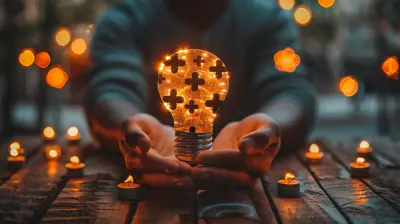
all images in this post were generated using AI tools
Category:
Emotional DependencyAuthor:

Gloria McVicar
Discussion
rate this article
1 comments
Mary Castillo
This article brings valuable insights into understanding emotional dependency in friendships. Recognizing the balance between support and control is essential for healthy relationships.
May 27, 2026 at 2:25 AM
Gloria McVicar
Thank you for your thoughtful comment. I'm glad you found the insights valuable. Finding that balance is crucial for nurturing healthy friendships.