Emotional Dependency and Its Role in Unhealthy Attachment Patterns
11 March 2026
Alright, buckle up, sugar. We're diving headfirst into the murky emotional swamp of emotional dependency—that needy, clingy monster that masquerades as love and loyalty but really just chains us to toxic patterns we didn't exactly order off the “healthy relationship” menu.
This isn’t just some pop-psychology mumbo jumbo. Emotional dependency is real, it’s sneaky, and it can seriously mess up how we connect with the people we love. Ever feel like your mood depends entirely on your partner’s vibes? Or like you can’t breathe when they don’t text back in five minutes flat? Yikes. That’s emotional dependency doing the tango with your self-worth.
But here’s the tea: you’re not broken. You’re just stuck in a pattern—and guess what? Patterns can be rewritten.
Let’s get into it.
What Is Emotional Dependency, Really?
Put simply, emotional dependency is when your emotional wellbeing relies way too heavily on someone else. We all need people to lean on, sure. We’re human, not robots. But when your sense of self, your happiness, and even your reason to get out of bed are tied to one person’s attention or approval—that’s not connection, babe. That’s a red flag waving in the wind.It shows up like:
- Constant need for reassurance
- Fear of being alone
- Intense jealousy
- Losing your identity in a relationship
- Sacrificing your needs just to keep someone around
Sound familiar? Yeah, ouch.
Emotional Dependency vs. Healthy Connection
Here’s where people mix things up. Being emotionally connected is beautiful. It's the glue of intimacy. But emotional dependency? That’s Velcro with a death grip.Imagine two trees. Healthy connection is like two separate trees whose branches intertwine. They grow beside each other, strong and rooted. Emotional dependency? That’s one tree wrapping itself around the other, choking it in a desperate hug. Eventually, one or both trees stop thriving.
That's what happens when your emotional balance depends on someone else. It’s not love. It’s survival wrapped in fear.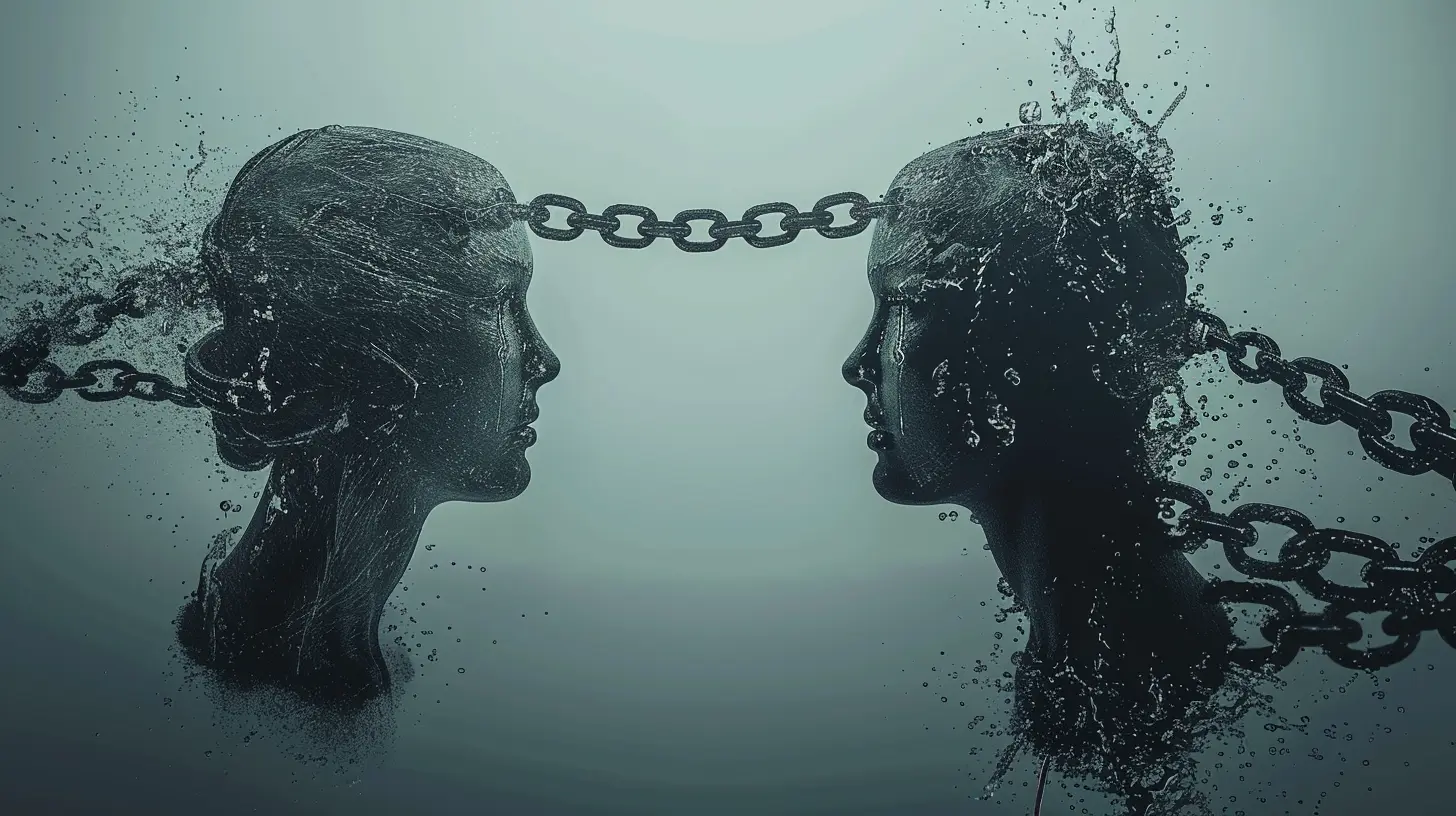
Where Does It Come From?
Nope, you didn’t just wake up needy. Emotional dependency usually starts way back—like, childhood back.If you had caregivers who were emotionally absent, overly critical, or wildly inconsistent, chances are you didn’t learn how to self-soothe or trust that love doesn’t come with conditions. So you grew up thinking love means jumping through hoops, or that you’re only worthy if someone else says so.
And yeah, past traumas, toxic exes, and societal expectations don’t help either. Especially for women, who are constantly fed that our worth lies in being wanted. Spoiler alert: you’re already enough.
The Anatomy of Unhealthy Attachment Patterns
Let’s break it down. Emotional dependency is the heartbeat of unhealthy attachment patterns. It keeps these vicious cycles alive, like a bad soap opera plot that just won’t end.1. The Anxious Attachment Style
Ever feel like you're too much and not enough all at once? That’s the anxious style for you.This style springs from inconsistent caregiving—sometimes your needs were met, sometimes not. So now, you're hyper-aware of relationship threats. You overanalyze texts, panic over silence, and bend over backward to please.
That’s emotional dependency in high heels—dramatic, exhausting, and anxiety-inducing.
2. The Avoidant Attachment Style
Ironically, emotional dependency also hides behind walls. If you swing avoidant, you may claim you're independent, cool, and unbothered. But surprise! That aloofness is often just fear dressing up as control.You don’t trust others to meet your needs, so you keep them at arm’s length. But deep down? Yup, still emotionally dependent—just in denial. You crave love but fear intimacy, creating a push-pull dynamic that drives partners nuts.
3. The Codependent Relationship
This is the poster child for emotional dependency. Codependency is a relationship where one person’s needs, mood, and identity revolve entirely around the other. It’s the “I can’t live without you” anthem on steroids.You give and give, hoping to be loved back—but end up depleted, resentful, and invisible. Because love shouldn't feel like a full-time job without weekends.
Signs You Might Be Emotionally Dependent (No Judgment Zone)
Not sure if you're emotionally dependent or just super committed? Let’s do a gut check:- You need constant validation and reassurance
- You feel anxious or empty without your partner
- You stay in relationships way past their expiration date
- You ignore your own needs to avoid conflict or abandonment
- You feel worthless when alone
- You jump from one relationship to the next like it’s musical chairs
If you’re nodding along? That doesn’t mean you’re doomed. It means there's healing to be done—and that, my friend, is powerful AF.
The Effects of Emotional Dependency on Your Mental Health
Here’s the raw truth: being emotionally dependent is exhausting. It can lead to:- Chronic anxiety
- Depression
- Low self-esteem
- Burnout
- Obsessive thoughts about your partner
- Isolation (because your world shrinks to just one person)
And the worst part? It keeps you from developing a strong, juicy, fulfilling relationship—with yourself. That’s the real love story you’ve been missing.
From Clingy to Empowered: How to Break the Cycle
Okay. Enough doom and gloom. Let’s talk solutions. You can absolutely detach from emotional dependency without turning into a cold-hearted robot. Healing just takes time, awareness, and a little sass.1. Build Your Emotional Independence
This is your number one goal. Start by asking: What makes me feel whole without anyone else?- Create a life that’s rich and full outside of your relationships
- Nurture hobbies, passions, and friendships
- Take yourself out on damn dates!
- Celebrate your wins without needing applause
You are the cake. Love is the icing.
2. Learn Your Attachment Style
Understanding your attachment style is like learning your emotional DNA. It explains so much about how and why you show up in relationships the way you do.Take an attachment quiz. Read books (try “Attached” by Amir Levine). Talk to a therapist. Reflect like your peace depends on it—because it does.
3. Set Boundaries (Then Actually Stick To Them)
Boundaries aren’t walls; they’re fences with gates. They protect your energy and help you stay grounded.- Say no without guilt
- Ask for space when you need it
- Stop overgiving to get love
Remember: if someone bails because you set a boundary, they were never really in your corner anyway.
4. Get Comfortable Being Alone
Alone doesn’t mean lonely. It means whole, uninterrupted, and free.Learn to be still with yourself. Journal. Meditate. Binge your favorite show without needing anyone beside you. Fall in love with your own damn presence.
Because if you don’t enjoy your own company, why should anyone else?
5. Go to Therapy, Sis
A good therapist is like a GPS for your emotional landscape. They’ll help you spot childhood wounds, shift toxic patterns, and learn how to self-soothe without clinging to others for dear life.Therapy isn’t just for when you’re falling apart—it’s for when you want to rise higher.
Rewriting the Narrative: What Healthy Love Looks Like
Let’s get real. Most of us weren’t taught what healthy love even looks like. But here’s the glow-up version:- Interdependence, not dependency. You support each other without losing yourself.
- Mutual respect. Your needs, boundaries, and individuality are honored.
- Open communication. No games, no guessing, no guilt-tripping.
- Self-love and self-trust. You know who you are, even when your partner’s not around.
That’s the kind of love that doesn’t feel like drowning. It lifts you up, makes space for your growth, and still holds you when life gets messy.
Final Thoughts: You Are Not the Problem—The Pattern Is
If you see yourself in all these signs of emotional dependency, breathe. You’re not needy. You’re just human—and maybe a human who learned to survive by clinging too tightly. But guess what? You get to unlearn that.Emotional dependency doesn’t define who you are. It’s just a chapter in your story—not the whole damn book.
So if you're ready to stop begging for breadcrumbs and start feasting on the full-course meal of self-respect, emotional maturity, and real-deal love, then you’re already halfway there.
Go ahead. Close that codependent loop. Burn the script of fear. Write a new love story—starting with yourself.
all images in this post were generated using AI tools
Category:
Emotional DependencyAuthor:

Gloria McVicar
Discussion
rate this article
2 comments
Anna Barrett
Understanding emotional dependency fosters healthier, more balanced relationships.
March 14, 2026 at 4:06 AM
Gloria McVicar
Absolutely! Recognizing emotional dependency is crucial for developing healthier relationship dynamics and breaking free from unhealthy attachment patterns.
Cadence Heath
Emotional dependency can feel like a cozy blanket, but beware of those sneaky fuzzballs! Let’s unravel the tangled threads of unhealthy attachments together—after all, who needs a clingy blanket when you can have a vibrant, supportive quilt instead?
March 12, 2026 at 5:28 AM
Gloria McVicar
Thank you for the insightful metaphor! Embracing healthy connections is essential for personal growth. Let's continue to foster vibrant, supportive relationships!