Decision Fatigue: The Cognitive Cost of Too Many Choices
20 August 2026
Every day, you make hundreds of decisions. Some are trivial, like which sock goes on which foot. Others carry real weight, like whether to accept a new job or end a relationship. Between those extremes lies a vast middle ground of choices about food, email, meetings, purchases, and plans. What most people do not realize is that each decision, regardless of its size, draws from the same limited pool of mental energy. When that pool runs dry, your ability to make good choices degrades, often without you noticing. This phenomenon is called decision fatigue, and it quietly shapes your behavior in ways that are both predictable and preventable.
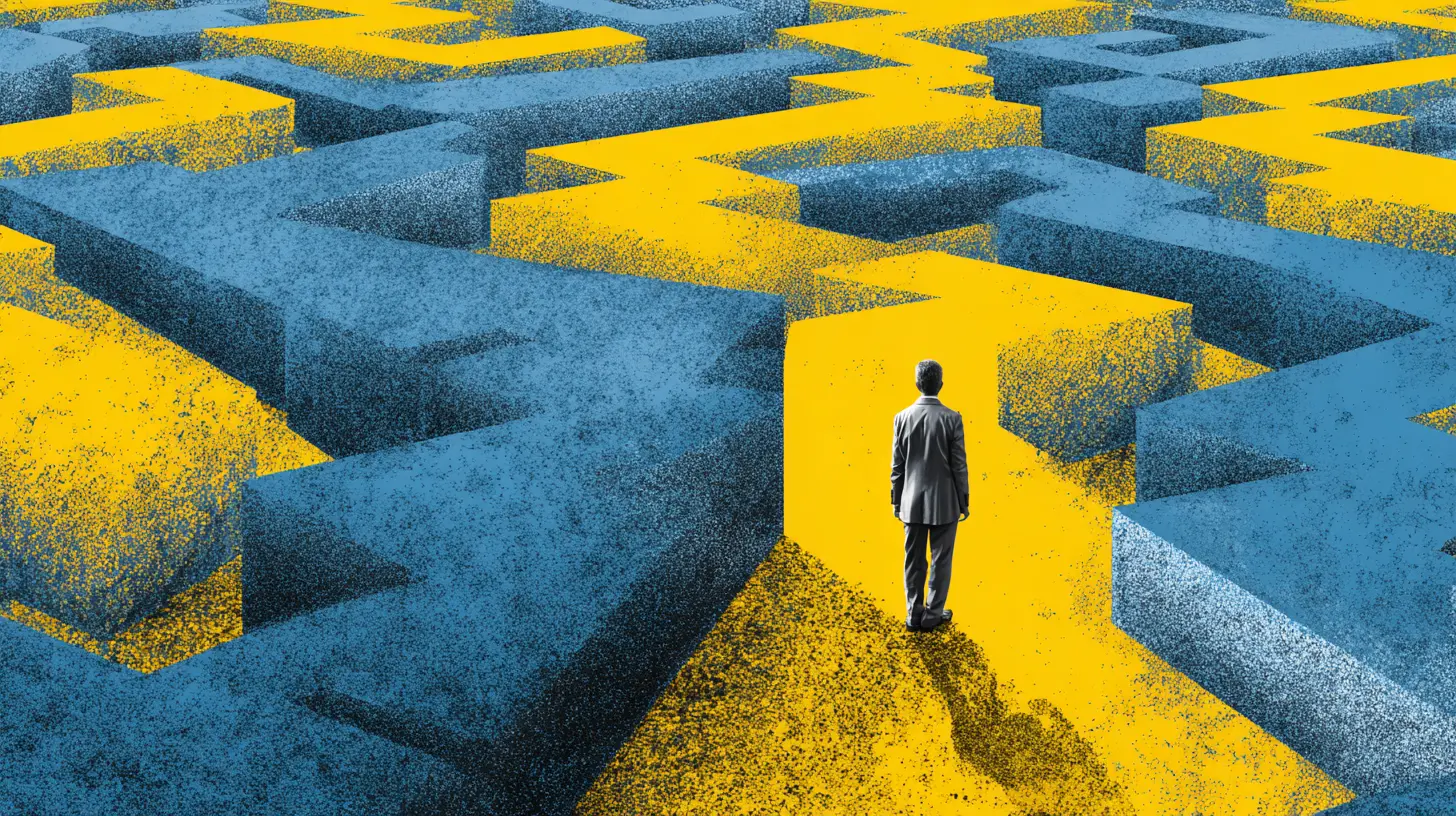
What Decision Fatigue Actually Is
Decision fatigue is the progressive deterioration of decision quality and self-control after a prolonged period of making choices. It is not a formal psychiatric diagnosis, but it is a well-documented psychological and neurological phenomenon. The underlying idea is that the brain's capacity for deliberate, effortful thinking is finite. When you spend that capacity on choosing, you have less left for the next choice, and the next one after that.Think of your cognitive resources like a battery. In the morning, the battery is full. You can weigh options carefully, resist temptations, and think through consequences. By late afternoon, after dozens of small decisions, the battery is running low. You start taking shortcuts. You go with the default option. You choose the first thing that looks acceptable rather than the best thing. You become more impulsive, more irritable, and more likely to say "whatever" when someone asks for your opinion.
This is not about being lazy or stupid. It is a natural consequence of how the brain manages energy. The prefrontal cortex, which handles complex decision-making and impulse control, is metabolically expensive. When it has been working hard all day, it becomes less efficient. The result is that you shift from deliberate, reflective thinking to automatic, reactive thinking. That shift is the essence of decision fatigue.

The Difference Between Decision Fatigue and Choice Overload
People often confuse decision fatigue with choice overload, but they are distinct concepts. Choice overload happens when you are faced with too many options at once, and the sheer volume makes it hard to pick anything. Decision fatigue, on the other hand, builds up over time, regardless of how many options each individual choice presents.You can experience choice overload at a restaurant with a fifty-page menu. You can experience decision fatigue after a day of small, simple choices, like which route to drive, which email to answer first, and which pen to use. The two can compound each other. If you have already spent your mental energy on a hundred small decisions, then a menu with fifty options becomes overwhelming in a way it would not have been at breakfast.
Understanding this distinction matters because the remedies are different. For choice overload, you reduce the number of options. For decision fatigue, you reduce the number of decisions you make, regardless of how simple they are. Many people try to solve decision fatigue by simplifying their choices, but the real problem is often the sheer volume of decisions, not their complexity.

The Hidden Cost of Trivial Choices
Most of the decisions that drain you are not important. They are the mundane, repetitive choices that fill the gaps in your day. What to wear. What to eat for lunch. Whether to reply to a text now or later. Which task to start first. Each one seems harmless on its own, but together they consume a surprising amount of cognitive bandwidth.Consider a typical office worker. They wake up and decide when to get out of bed, what to have for breakfast, what to wear, and how to get to work. Once at work, they decide which emails to read first, which tasks to prioritize, whether to attend a meeting, and how to respond to a request. By mid-morning, they have already made dozens of decisions. By mid-afternoon, the cumulative effect is measurable.
The problem is that trivial decisions do not feel costly. You do not feel a headache or a wave of exhaustion after choosing between a turkey sandwich and a salad. But the cost is real, and it shows up later. When you finally get to a decision that matters, like whether to approve a budget or give feedback on a project, your judgment is already compromised. You are more likely to avoid the decision, defer it, or make a hasty choice that you would not have made in the morning.
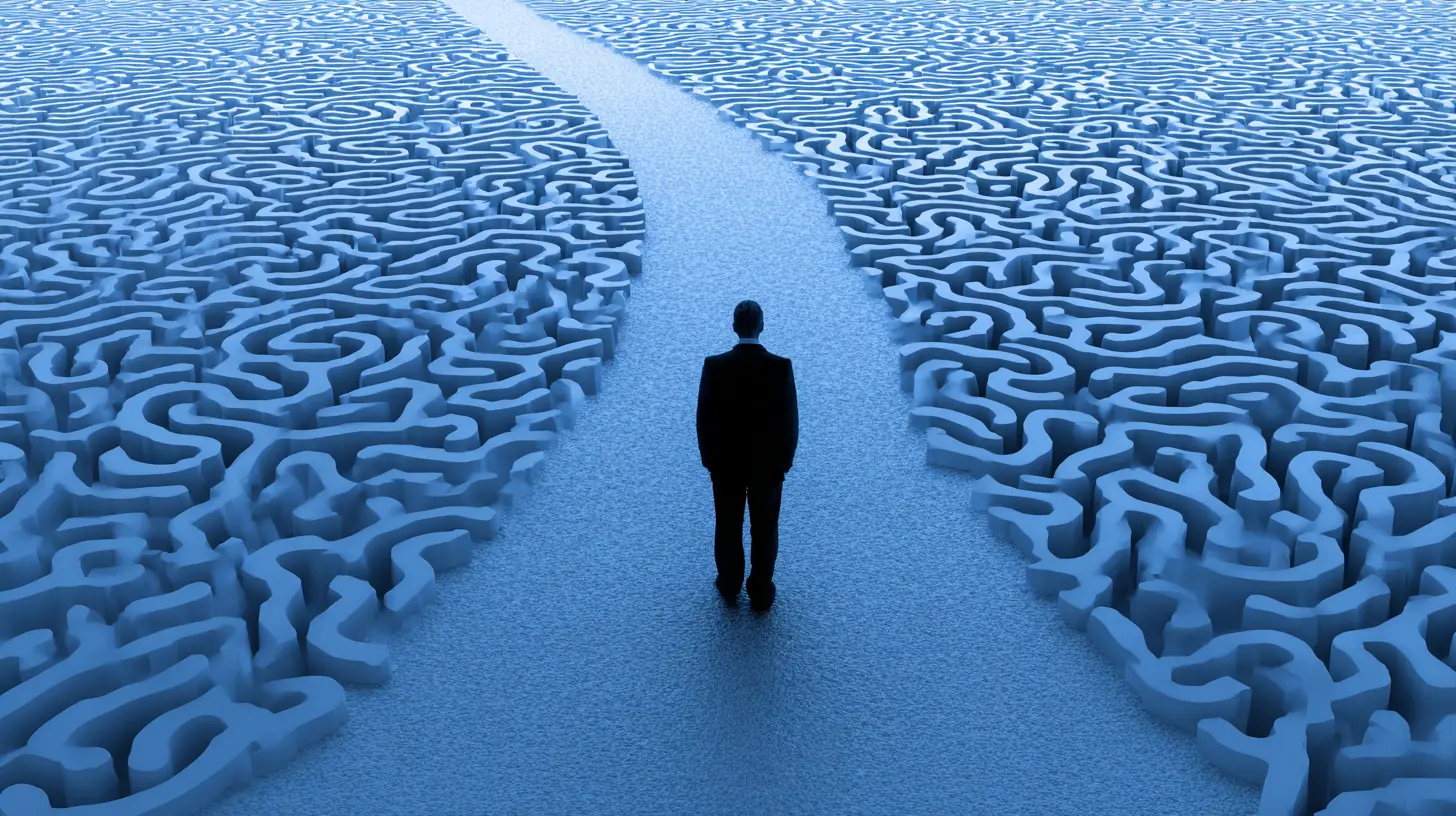
Why Willpower and Decision-Making Share the Same Fuel
There is a close relationship between decision fatigue and self-control. Both rely on the same underlying resource, often called ego depletion in older psychological literature. The idea is that resisting temptation and making choices both draw from a shared pool of mental energy. When you spend energy on one, you have less for the other.This is why people are more likely to break their diets at night. They have spent the day making choices and resisting temptations, and by evening, their self-control is depleted. A slice of cake that would have been easy to refuse at 9 a.m. becomes nearly irresistible at 9 p.m. The same pattern applies to spending, patience, and emotional regulation. After a long day of decisions, you are more likely to snap at a partner, buy something you do not need, or skip the gym.
The practical implication is that you should not schedule important decisions or difficult conversations for late in the day. Your judgment is simply not as sharp. This is not a matter of willpower or character. It is a biological limitation. You can train yourself to make better decisions, but you cannot train yourself to have unlimited mental energy.
The Famous Jam Study and What It Really Shows
One of the most cited studies in this area involved a tasting booth with jams. When the booth offered 24 varieties, more people stopped to look, but fewer people bought. When the booth offered only 6 varieties, fewer people stopped, but more people bought. This study is often used to argue that fewer choices lead to better outcomes.But the study is frequently misunderstood. The jam study is about choice overload, not decision fatigue. It shows that too many options at one moment can paralyze people. It does not show that making many decisions over time degrades your judgment. The two effects are related, but they are not the same.
The real lesson from the jam study is that the number of options matters at the point of choice. If you are already fatigued, the effect is worse. But even a rested person can be overwhelmed by a huge menu. The practical takeaway is to reduce both the number of options you face and the number of decisions you make. They are two separate levers, and you should pull both.
How Decision Fatigue Shows Up in Real Life
You can see decision fatigue everywhere if you know what to look for. Judges, for example, have been studied for how their rulings change over the course of a day. Research has shown that judges are more likely to grant parole early in the day or after a food break, and less likely to grant it later. The interpretation is that making repeated judgments depletes their mental resources, leading to a preference for the status quo, which in this case means denying parole.This pattern is not limited to judges. Doctors make different prescribing decisions later in their shifts. Executives are more likely to approve risky proposals in the afternoon. Shoppers are more likely to buy impulse items at the end of a long trip through the store. In each case, the person is not consciously choosing to be sloppy. Their brain is simply taking the path of least resistance.
You have probably experienced this yourself. After a long day, you stare at a streaming service and cannot pick a movie. You scroll through options, start one, abandon it, and start another. Eventually you settle for something you have already seen. That is decision fatigue in action. The choice itself is trivial, but your brain is too tired to evaluate it properly.
The Role of Defaults and Habits
One of the most effective ways to manage decision fatigue is to reduce the number of decisions you make through defaults and habits. A default is a pre-set option that you accept without thinking. A habit is a behavior that you perform automatically. Both remove the need for conscious choice.For example, Steve Jobs famously wore the same type of clothes every day. Barack Obama reportedly wore only gray or blue suits. The idea is not that these men lacked fashion sense. It is that they wanted to save their mental energy for decisions that mattered. By eliminating the daily choice of what to wear, they freed up cognitive resources for more important matters.
You do not need to go that far, but you can adopt the principle. Set a default for lunch. Eat the same breakfast every day. Have a standard outfit for work. Automate your bill payments. Use a routine for your morning and evening. Each of these removes a decision from your day. Over time, the savings add up.
The key is to choose your defaults deliberately. Do not let them form by accident. If you always eat the same lunch because you are too tired to decide, that is not a strategy. It is a symptom. Instead, decide once, on a good day, what your default will be. Then stick to it without guilt.
The Trade-Off Between Flexibility and Efficiency
Some people resist routines and defaults because they feel rigid or boring. They worry that automating their choices will make life monotonous. This is a valid concern, but it is worth examining the trade-off.Flexibility has a cost. Every time you leave a decision open, you pay a cognitive price. You may enjoy choosing your dinner from a variety of options, but that enjoyment comes at the expense of mental energy that you could spend elsewhere. The question is whether the enjoyment is worth the cost.
For some people, variety is genuinely valuable. They derive pleasure from novelty and spontaneity. For others, variety is just a habit, not a preference. They think they want options, but they actually feel relieved when someone else decides.
A balanced approach is to create zones of flexibility. Have a default for most decisions, but allow yourself to deviate when you genuinely want to. For example, eat the same breakfast most days, but occasionally try something new on weekends. Wear a standard work outfit, but keep a few options for special occasions. This gives you the efficiency of defaults without the feeling of being trapped.
Common Mistakes People Make When Trying to Fix Decision Fatigue
There are several common mistakes that people make when they try to reduce decision fatigue. The first is trying to eliminate all decisions. That is neither possible nor desirable. Some decisions are important and should be made deliberately. The goal is not to avoid decisions but to spend your mental energy where it matters most.The second mistake is focusing only on big decisions. People often think that decision fatigue only affects major life choices, like buying a house or changing careers. In reality, it is the accumulation of small decisions that drains you. If you ignore the small stuff, you will still be fatigued when the big stuff arrives.
The third mistake is relying on willpower to push through. You cannot simply try harder to make good decisions. The brain does not work that way. You need to change your environment and your routines so that you are not forced to make so many choices.
The fourth mistake is assuming that decision fatigue is the same for everyone. Some people are more sensitive to it than others. Factors like sleep, stress, and overall health play a role. What drains one person may barely affect another. You need to observe your own patterns and adjust accordingly.
Practical Strategies to Reduce Decision Fatigue
There are several practical strategies that work well for most people. The first is to make important decisions early in the day. Your mental energy is highest in the morning, so schedule your most demanding choices for that time. Do not put off a difficult conversation or a major financial decision until the evening.The second strategy is to batch similar decisions together. Instead of deciding what to eat for every meal separately, plan your meals for the week in one sitting. Instead of answering emails throughout the day, set aside two or three specific times to handle them. Batching reduces the number of times you have to switch between different types of decisions, which is itself draining.
The third strategy is to create rules for recurring situations. If you often argue with your partner about what to watch, establish a rule, like alternating who picks. If you often waste time deciding what to do on weekends, create a rotating list of activities. Rules remove the need for negotiation and deliberation.
The fourth strategy is to limit your options. This is not about eliminating choice but about curating it. If you have too many apps on your phone, delete the ones you do not use. If you have too many clothes, donate the ones you never wear. A smaller set of options is easier to navigate, and you will not feel deprived because you have already chosen what to keep.
The fifth strategy is to take breaks. Decision fatigue builds up over time, and short breaks can help restore your mental energy. A walk, a nap, or even just a few minutes of quiet can make a difference. The key is to step away from the decision-making process entirely, not to switch to another type of decision.
When Decision Fatigue Is Not the Problem
It is also important to recognize when decision fatigue is not the cause of your struggles. Sometimes people blame decision fatigue for what is actually anxiety, perfectionism, or lack of information. If you are avoiding a decision because you are afraid of making the wrong choice, that is not fatigue. That is fear.Similarly, if you are overwhelmed because you do not have enough information, adding more options will not help. You need to gather facts, not reduce choices. Decision fatigue is about depletion, not uncertainty. If you are well-rested and still cannot decide, the problem is likely something else.
This distinction matters because the remedies are different. For anxiety, you need to work on your emotional response. For lack of information, you need to do research. For decision fatigue, you need to conserve mental energy. Applying the wrong fix will not solve the problem.
The Role of Sleep, Nutrition, and Stress
Your baseline level of mental energy depends on more than just how many decisions you make. Sleep is probably the most important factor. A tired brain is a depleted brain. If you are not getting enough rest, you will experience decision fatigue much earlier in the day, and it will be more severe.Nutrition also plays a role. The brain needs glucose to function, and low blood sugar can impair judgment. This is why people often make poor decisions when they are hungry. It is not just that you are distracted by your stomach. Your brain literally does not have the fuel it needs to think clearly.
Stress compounds the problem. Chronic stress keeps your body in a state of alert, which consumes mental energy even when you are not actively deciding. If you are already stressed, you have less capacity for choices. Managing stress is not a luxury. It is a necessary part of maintaining your decision-making ability.
The Misconception That More Choice Is Always Better
Western culture tends to celebrate choice. More options are seen as more freedom, and more freedom is seen as better. But this assumption is flawed. Choice is only valuable when you have the energy to evaluate it. When you are fatigued, more options become a burden, not a benefit.This is not an argument against freedom. It is an argument for being realistic about your limits. You can have a wide range of options available, but you do not have to engage with all of them at once. You can narrow your focus to a few relevant choices and ignore the rest. The key is to recognize that choice is a tool, not a goal in itself.
Some people thrive on having many options. They enjoy the process of comparing and selecting. For them, variety is energizing rather than draining. If that sounds like you, then you may not need to reduce your choices as aggressively. The important thing is to know yourself and to design your life accordingly.
Building a Decision-Making System That Works
The best approach to decision fatigue is not a single trick but a system. Start by identifying the decisions that matter most to you. These are the ones that deserve your full attention and your best mental energy. Protect those decisions by scheduling them for times when you are fresh.For everything else, create defaults, routines, and rules. Automate what you can. Batch what you cannot automate. Limit your options so that the choices you do make are manageable. And above all, pay attention to your own patterns. Notice when you start making sloppy choices, and use that as a signal to step back and recharge.
This system will not eliminate decision fatigue entirely. No one can avoid it completely. But it can reduce its impact so that you make better decisions when it matters. The goal is not to have unlimited mental energy. The goal is to spend the energy you have on the decisions that deserve it.
A Final Word on Self-Compassion
If you have made poor decisions late in the day, do not be too hard on yourself. It is not a character flaw. It is a predictable consequence of how your brain works. The best response is not guilt but adjustment. Change your environment, change your schedule, and change your expectations.Decision fatigue is a real and measurable phenomenon, but it is not a life sentence. You can manage it with the right habits and strategies. The first step is simply to recognize that it exists and that it affects you. Once you see it for what it is, you can start making choices that protect your ability to choose well.
all images in this post were generated using AI tools
Category:
Brain And BehaviorAuthor:

Gloria McVicar