Creative Expression as a Path to Building Resilience
21 February 2026
Let’s face it—life can be tough. Sometimes, it feels like we’re carrying the weight of the world on our shoulders. Whether it’s stress from work, heartbreak, anxiety, or the day-to-day grind, we all hit those rough patches. But what if I told you that one powerful way to not just survive those moments—but thrive through them—is by tapping into your creativity?
Yep, picking up a paintbrush, writing in a journal, dancing in your room, or doodling during a lunch break isn't just something “artsy” types do for fun. These creative expressions are actually tools for building emotional strength, clarity, and resilience.
Let's dive into why and how creative expression can be a transformative path to personal resilience.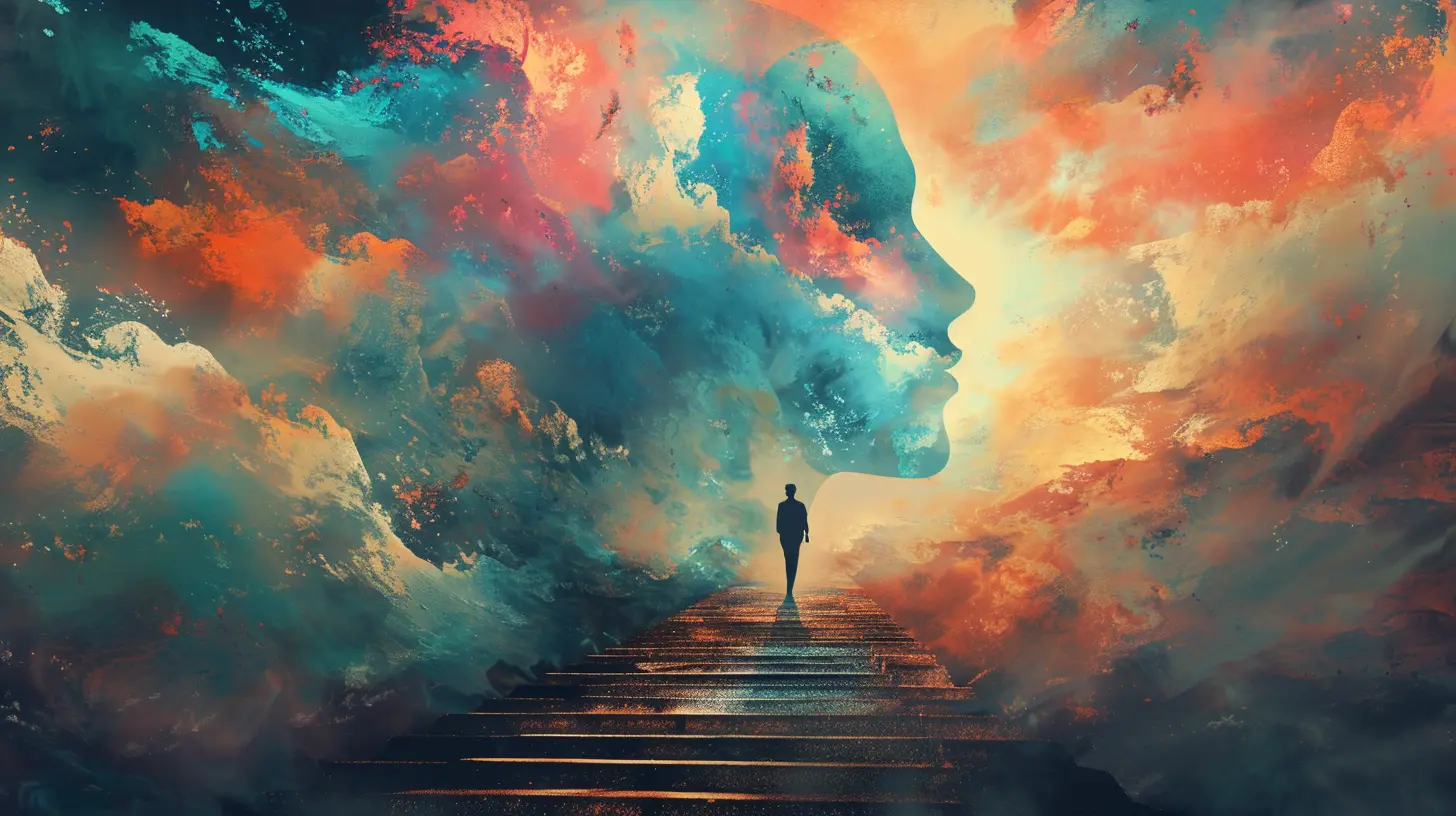
What Is Resilience, Really?
Before we talk about painting your way out of a bad day, let’s clear up what resilience really means.Resilience is our ability to bounce back from setbacks—kind of like a psychological rubber band. It's about adapting to adversity, coming out stronger after struggles, and not letting challenges define who we are.
But here’s the thing: resilience isn’t something you either have or don’t. It’s a skill you can build—like learning how to ride a bike or speak a new language.
And one of the most underrated tools for cultivating this skill? You guessed it: creative expression.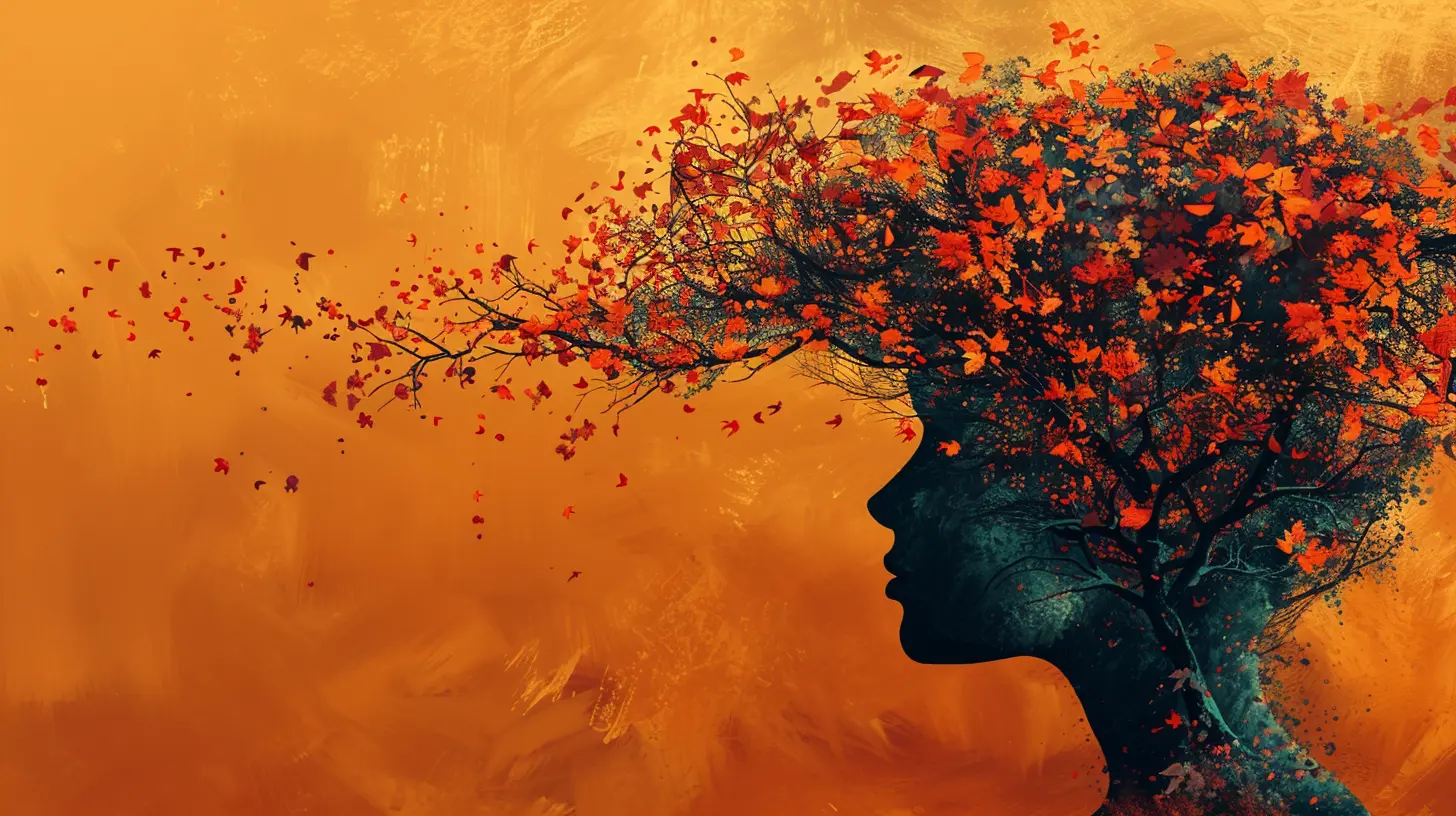
Creativity Isn’t Just for Artists
Hold on—don't click away if you think “I’m not a creative person.” That’s just not true. Everyone has creativity inside them. It’s not just about painting perfect landscapes or writing award-winning poetry.Creativity is about problem-solving, expressing yourself, and making something new from your own perspective. It could be cooking, fixing up your car, rearranging your furniture, or crafting a heartfelt Instagram post.
So when we talk about creative expression, we’re not just talking about art. We’re talking about any activity that allows your inner world to come out in a meaningful way.
The Science Behind It: Why Creativity Builds Resilience
Ever notice how journaling after a stressful day makes you feel lighter? Or how belting out your favorite song in the car boosts your mood?There’s real science behind that.
Creative expression does a few amazing things for our mental health:
1. Regulating Emotions
Creating something helps you process and release emotions you might not even have the words for. Think of it like shaking up a soda bottle—if you don’t release some pressure, it’ll eventually explode. Art, writing, music—these are the release valves.2. Creating Meaning from Chaos
When life feels messy or senseless, expressing yourself through a story, a painting, or a dance gives shape to the chaos. Your brain begins to make sense of the experiences. That’s powerful.3. Fostering Self-Awareness
When you reflect through creative means, you start to understand your triggers, patterns, and desires. You connect the dots between where you are and where you want to be.4. Encouraging Problem-Solving
Even deciding what color to paint the sky or how to end a personal essay flexes your problem-solving muscles. It’s like a workout for your brain—helping you become more adaptable in real life too.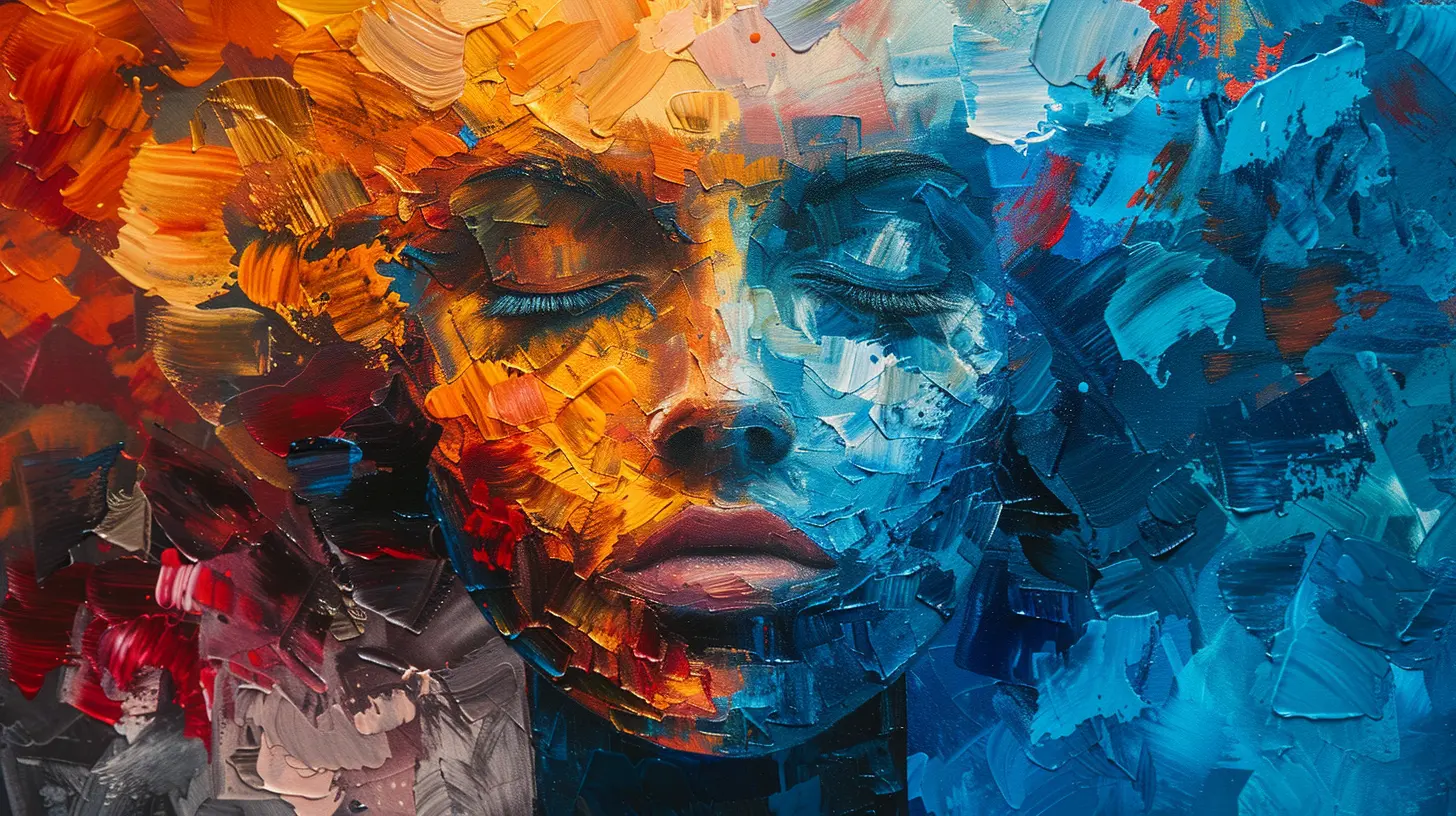
Real-Life Ways to Tap Into Creative Expression
So now you’re (hopefully) convinced that creativity isn’t just a luxury—it’s a lifeline. But how can we actually use it day to day?Below are some totally doable ways to start expressing yourself and building resilience.
1. Journaling It Out
This one’s a classic for a reason. Writing down your thoughts helps get them out of your head and onto paper, where they’re less intimidating.Try prompts like:
- What made me feel strong today?
- What’s bothering me that I haven’t said out loud?
- What advice would I give to a friend going through this?
It’s like therapy, but with a pen.
2. Painting or Doodling
You don’t have to be Van Gogh. Pull out some markers or watercolors and just go for it.Color how you feel. Draw your anxiety. Create a superhero version of yourself. No rules here—just expression.
3. Making Music or Listening Actively
Even if you can’t play an instrument, try making playlists that match your moods or writing silly lyrics about your day. Sing them. Whisper them. Share them. Music connects you to your emotions in a deeply human way.4. Dance Like No One’s Watching
Because seriously, no one is. Put on a song you used to love and just move however you want.Your body holds onto stress. Shaking it out helps—a lot.
5. Photography or Collage
Take photos of things that speak to you. Make a collage from old magazines that represent what healing looks like. It’s not just about the final product; it’s about focusing your attention on what matters to you.6. Storytelling
Write your own story. Literally. Narrate your challenges like you're the hero of your own journey—because you are. You’ll start to see how far you’ve come and how capable you really are.Creativity in the Face of Trauma
Some of the most powerful stories of human strength are rooted in the creative worlds people build to survive trauma.Holocaust survivors painted. Refugees wrote poetry. Children in war zones draw pictures to process things they can’t say out loud. Creativity becomes the bridge between pain and healing.
Trauma disconnects us from ourselves, but creative expression helps stitch those pieces back together. It reconnects us to joy—even if it’s just for a few minutes—and that joy can become our anchor.
The Mind-Body Connection: How Art Heals Physically Too
It’s not just emotional—there are real physical benefits to creative expression, too.Research shows that engaging in creative activities can:
- Lower cortisol (your stress hormone)
- Reduce blood pressure
- Boost your immune response
- Improve sleep
So, yes—your late-night painting session or morning doodling habit could be doing more for your health than you think.
Building a Habit of Creative Resilience
Now you might be wondering: “How can I make this stick?”The key is to not wait until things fall apart to get creative. Like with exercise, you need consistency to build those resilience muscles.
Here’s how to get started:
- Start small: Set aside just 10 minutes a day for something creative.- Make it sacred: Treat it like a non-negotiable appointment with yourself.
- Let go of outcomes: It doesn’t need to be pretty, perfect, or even shareable.
- Find your tribe: Join a group, a class, or an online forum for creative expression.
- Trust the process: Some days will flow. Others won’t. That’s okay. Keep showing up.
Kids and Creativity: Building Resilience Early
Helping children express themselves creatively can build resilience from a young age. Art therapy is often used with kids for a reason—it allows them to safely explore emotions they don’t yet have the vocabulary for.Encourage doodling, storytelling, or even role-playing with toys. These aren't just playtime activities—they're powerful tools for emotional development.
Final Thoughts: We’re All Creative, We’re All Resilient
If there’s one message I hope you take away from this, it’s this:You don’t have to be "good" at art to be deeply, soulfully, beautifully creative—and using that creativity as a path to resilience is not only possible, it’s transformative.
Life will inevitably bring storms. But your creativity? That’s your umbrella, your rain boots, your shelter, and maybe even your rainbow.
So pick up that pen, brush, camera, or dance move—and let it be your healing. Let it be your strength.
all images in this post were generated using AI tools
Category:
Psychological ResilienceAuthor:

Gloria McVicar
Discussion
rate this article
2 comments
Nyx Davis
Loved this article! It beautifully highlights how creative expression can empower us to build resilience. Excited to explore new ways to embrace creativity in my life!
February 28, 2026 at 5:36 PM
Gloria McVicar
Thank you! I'm so glad you enjoyed the article and found it inspiring. Embracing creativity is a wonderful journey—wishing you all the best in your explorations!
Bryce Thornton
Creative expression serves as a vital tool for enhancing resilience by facilitating emotional processing and providing an outlet for stress relief. Engaging in artistic activities encourages self-discovery, fosters community connections, and promotes adaptive coping strategies, ultimately empowering individuals to navigate life’s challenges more effectively.
February 22, 2026 at 5:05 AM
Gloria McVicar
Thank you for your insightful comment! I completely agree that creative expression not only aids in emotional processing but also strengthens our connections and coping skills, making it a powerful tool for resilience.