Can Neurofeedback Become Mainstream by 2026?
20 April 2026
Let’s be honest—the idea of training your brain like a muscle, of sitting down and literally rewiring your own neural pathways through sheer feedback and willpower, sounds like something ripped from a sci-fi novel. Yet, here we are. Neurofeedback, a form of biofeedback that uses real-time displays of brain activity (usually EEG) to teach self-regulation of brain function, is no longer just a fringe experiment. It’s knocking on the door of mainstream acceptance. But can it actually cross that threshold by 2026? That’s not just a question of technology; it’s a puzzle involving cost, culture, credibility, and convenience. Let’s dive in.

What Exactly Is Neurofeedback, and Why Should You Care?
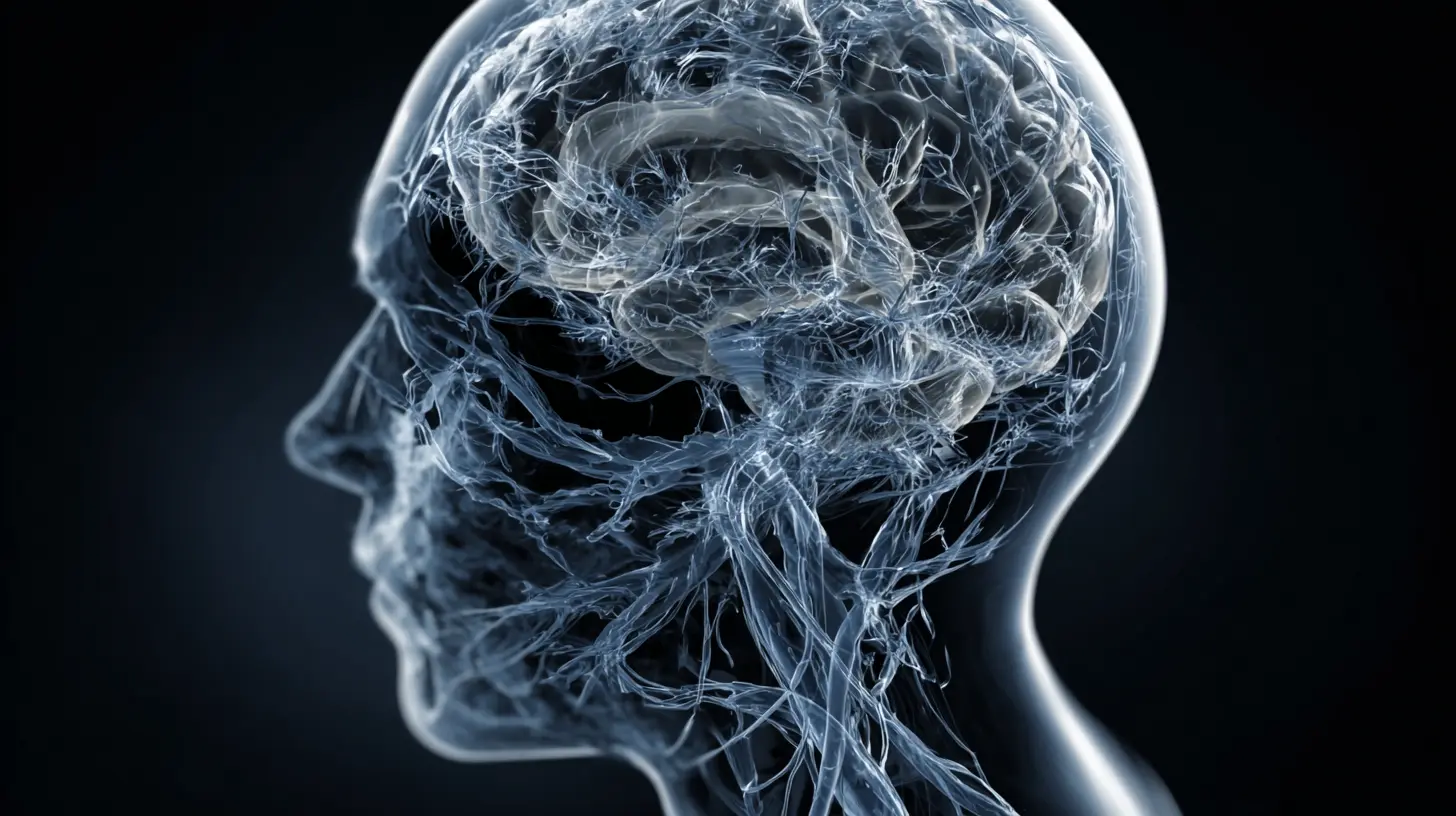
First, a quick primer. Imagine you’re trying to learn a complex dance move, but you’re doing it blindfolded. Someone shouts “warmer!” or “colder!” based on your position. Eventually, through that feedback, you nail the move. Neurofeedback is that, but for your brainwaves.You sit comfortably with sensors on your scalp that read your brain’s electrical activity. This signal is processed by software that turns it into a simple video game, a movie, or a soundscape. When your brain produces more of the “desired” wave patterns (say, calm alpha waves or focused beta waves), the movie plays clearly, or the spaceship flies smoothly. When you drift into less desirable states (like distracted, high-beta “busy” waves or drowsy theta waves), the feedback stutters. Your conscious mind might not understand the algorithm, but your subconscious brain learns. It goes, “Ah, that’s what focus feels like,” and begins to find that state more easily over time.
It’s non-invasive, drug-free, and fundamentally empowering. It puts you in the pilot’s seat of your own mind. Now, why isn’t everyone doing it?
The Hurdles on the Path to Mainstream
For neurofeedback to become as commonplace as yoga or therapy, it has to leap over some significant barriers. They’re not small.The Cost Conundrum
A typical neurofeedback protocol for, say, ADHD or anxiety, might involve 30 to 40 sessions. With practitioners charging anywhere from $75 to $150 per session, you’re looking at a financial investment of several thousand dollars. Insurance coverage is spotty at best, often labeling it “experimental.” This immediately places it in the realm of luxury wellness or a last-resort treatment for those with means. For it to go mainstream, the cost must come down dramatically, or insurance must open its wallet. Can that happen in three years? It’s a tall order for the entire healthcare reimbursement system, but pressure from consumers and evolving research could force a shift.The “Black Box” Problem and The Credibility Gap
Here’s where burstiness in public perception comes in. One week you might see a glowing testimonial from a celebrity about neurofeedback curing their anxiety; the next, a skeptical article calling it “digital phrenology.” The science is robust in some areas (like ADHD and epilepsy) and promising but less definitive in others (like peak performance or trauma).The field suffers from a variability problem. Not all neurofeedback is created equal. Protocols differ, practitioner skill varies wildly, and the lack of a unified, gold-standard methodology makes it easy for critics to dismiss. For mainstream adoption, the industry needs clearer standards, more large-scale, replicated studies, and a cohesive message that separates evidence-based practice from overhyped claims. This is a marathon, not a sprint, and 2026 is just around the corner.
The Tech and Accessibility Tango
Traditional neurofeedback requires a clinic visit, a skilled technician, and expensive, bulky equipment. That’s not a recipe for viral growth. But here’s where the plot twists. The real catalyst for mainstream adoption might not be the clinical model at all.
The Game Changer: Consumer Neurotech and The Wearable Revolution
This is the wild card. Look at the trajectory of other biofeedback devices. Heart rate monitors went from hospital machines to wristwatches. Sleep trackers are now ubiquitous. Our willingness to quantify ourselves is higher than ever.Companies are already racing to develop dry-electrode EEG headsets and even earbuds that can provide rudimentary neurofeedback. Imagine a device you pop on for 20 minutes while meditating, guiding you toward a calmer state. Or a headband that helps you wind down before sleep by rewarding your brain for producing sleep-friendly waves.
This is the likely path to mainstream: not through the clinic door, but through the Amazon delivery box. When neurofeedback becomes an app-connected wearable, priced like a fitness tracker, and marketed for stress reduction, sleep improvement, and focus enhancement, it enters the lexicon of everyday wellness. It becomes less about “treating a disorder” and more about “optimizing your mind.” This reframing is powerful. We’re already obsessed with optimizing our bodies, our time, and our productivity—why not our brains?
By 2026, we could easily see a few of these consumer devices break through with a killer app (literally and figuratively) that makes brain training engaging, affordable, and socially acceptable. The data they collect could also fuel the largest brainwave dataset in history, accelerating research and personalizing protocols at a dizzying speed.
The Cultural Shift: From Treatment to Enhancement
This ties into a broader cultural movement. We’re moving from a model of “fix what’s broken” to one of “enhance what works.” Nootropics, meditation apps, and biohacking are already part of this landscape. Neurofeedback fits perfectly into this ethos. It’s the ultimate biohack.The conversation will shift from “I go to a neurofeedback therapist for my ADHD” to “I use my neurofeedback headset to get into the zone before a big presentation or to decompress after work.” This normalization is critical for mainstream adoption. It reduces stigma and amplifies appeal.

The Verdict: Mainstream by 2026?
So, can it happen? Let’s break down the timeline.By 2026, neurofeedback will likely become mainstream-adjacent. Here’s what I mean:
1. Consumer-Grade Devices Will Be Common: You will see credible, effective consumer neurofeedback wearables on the market with significant marketing budgets behind them. They will be discussed in wellness circles, tech magazines, and maybe even your office breakroom. This arm of neurofeedback will have undeniable mainstream traction.
2. Clinical Acceptance Will Grow, But Lag: The clinical, therapeutic side will see increased acceptance, particularly for specific conditions like ADHD and PTSD, especially as research continues to solidify. It will be more common, but it will not be a first-line, insurance-covered treatment for most people. The cost and access hurdles are too systemic to fully crumble in just three years.
3. The Language Will Enter the Mainstream: Terms like “brain training,” “EEG feedback,” and “neuroregulation” will become more familiar. People will have a basic understanding of the concept, even if they haven’t tried it themselves—much like how most people today know what mindfulness is, even if they don’t have a consistent practice.
The full, clinic-based, medically-integrated version of neurofeedback? Probably not fully mainstream by 2026. But the idea of neurofeedback, and its accessible, consumer-tech-driven offspring? Absolutely. It will transition from an obscure therapy to a recognized tool in the modern toolkit for mental well-being and cognitive performance.
The brain is the final frontier of personal optimization. We’ve conquered step counts and sleep cycles. It was only a matter of time before we turned our gaze inward, to the very source of our experience. Neurofeedback offers a mirror to hold up to our own minds. By 2026, that mirror won’t be hidden in a specialist’s office; it will be reflecting back at us from our own bathroom shelves, waiting to show us who, and how, we can be.
all images in this post were generated using AI tools
Category:
Brain And BehaviorAuthor:

Gloria McVicar
Discussion
rate this article
1 comments
Odessa Conrad
Exciting potential, looking forward to advancements!
April 21, 2026 at 4:48 AM
Gloria McVicar
Thanks! I'm excited too to see where this goes.