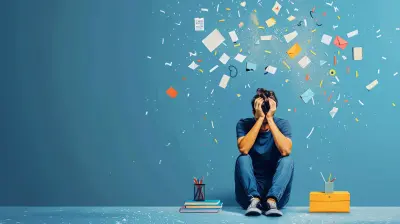
Breaking Free from Emotional Dependency: A Path to Personal Freedom
15 March 2026
Ever felt like your happiness is tied to someone else's mood, attention, or presence? Like you're only whole when you're with a certain person? If you said yes, you’re not alone. Emotional dependency is real, it's draining, and it can silently sabotage your well-being. But here's the good news — you can break free. And when you do? Oh, it feels like finally breathing fresh air after being underwater for too long.
In this post, we’re diving deep into emotional dependency — what it is, how it shows up in your life, and most importantly, how to untangle yourself from it. So grab your favorite drink, find a cozy spot, and let's talk heart-to-heart.
What Is Emotional Dependency, Really?
Imagine building your emotional house on someone else's land. That's what emotional dependency feels like. You rely on others — often a partner, parent, or friend — to make you feel loved, worthy, or happy. Without their constant approval or attention, you feel empty or anxious.It’s not love. It’s not connection. It’s a fear-based attachment wrapped in clinginess and self-doubt. Sure, we all need support and affection, but when your self-worth hinges entirely on someone else? That’s when things get toxic.
Let's Be Clear: Being Close Isn't Being Dependent
Being emotionally close to someone is healthy. Emotional dependency, however, means you can’t function emotionally without that person. You're constantly looking to them for reassurance, validation, and decisions. You might even feel panicked at the thought of being alone. Sound familiar?
Signs You Might Be Emotionally Dependent
Before you can fix something, you’ve gotta see it clearly. Emotional dependency wears many masks. Let’s unmask a few:- Fear of being alone – You avoid solitude like it's the plague. Alone time makes you feel anxious or even worthless.
- Constant need for reassurance – You obsessively seek approval or validation, even for small decisions.
- Jealousy and possessiveness – The idea of your partner spending time with others makes you dizzy with fear or rage.
- Low self-esteem – You don’t feel “enough” unless someone else says you are.
- Over-apologizing – Even when it's not your fault, you say sorry just to keep the peace.
- Over-adaptability – You morph into whatever the other person wants you to be, abandoning your own needs and identity.
If you're nodding at these like you're reading your own diary, it’s time for a change.
Where Emotional Dependency Comes From
This stuff doesn’t just pop out of nowhere. It usually starts way back — childhood, to be exact. If you grew up in an environment where love was conditional or where emotional needs weren’t met, you might have learned that love equals approval or attention.Traumas, abandonment, or even emotionally unavailable caregivers can all lay the foundation for dependency. As adults, we often try to fill those childhood gaps through romantic relationships or intense friendships — trying to heal old wounds with new people.
But spoiler alert: that never works. You end up putting pressure on the relationship, stretching it too thin, and both people suffer.
The Irony of Emotional Dependency: You Push Them Away
Here’s the emotional plot twist — the more dependent you are, the more likely you are to lose the very person you cling to. Why? Because this kind of attachment is suffocating. Nobody wants to feel like they’re responsible for someone else’s emotional well-being 24/7.You're afraid of being abandoned, but ironically, emotional dependency increases the chances of that happening. It's like trying to hold water in your hands — the tighter you grip, the more it slips away.
The Power of Breaking Free
Ready for the bright side? Emotional independence is not only possible – it’s liberating. Imagine waking up in the morning feeling whole, peaceful, and grounded — with or without a text from someone. That’s emotional freedom.When you become your own emotional anchor, you stop being controlled by others' moods. You enjoy relationships without making them your sole source of happiness. You take control of your life, and suddenly, the world isn’t so scary anymore.
Step-by-Step Guide to Letting Go of Emotional Dependency
Alright, let’s get practical. Here’s how you can start cutting those emotional ties — not with the person, but with the dependency.1. Acknowledge It (Without Shame)
First thing’s first: face it. Admit to yourself, “Yeah, I’ve been emotionally dependent.” And that’s okay. This isn’t about beating yourself up. It’s about getting real so you can move forward.2. Reconnect with Your Identity
Who are you without your partner or that best friend you lean on constantly? What do you love? What excites you? Start spending time doing things that bring you joy on your own — whether it’s hiking, painting, cooking, or whatever gets your heart racing.Build a you outside of “us.”
3. Practice Emotional Regulation
Learn to soothe yourself. When anxiety or fear pops up — especially when you're alone — don’t rush to the phone. Sit with it. Breathe. Journal. Meditate. Get curious about it instead of running from it. That’s how you build inner strength.4. Set Boundaries Without Guilt
Boundaries are your emotional muscles. Without them, you’ll get emotionally exhausted. Start saying no. Start taking space. Stop apologizing for prioritizing your needs. This isn't selfish — it's survival.5. Top Up Your Self-Worth (Internally)
Start affirming yourself. Every day. Remind yourself that you're worthy, lovable, and whole — with or without someone else's stamp of approval. Make a list of your strengths, your wins, and your values. Keep adding to it.Also, therapy? It works wonders. A good therapist can help untangle those deep-rooted beliefs keeping you stuck.
6. Surround Yourself with Supportive People
Choose friends or family members who support your journey toward independence. You don’t need cheerleaders who encourage your dependency. You need folks who lovingly push you toward growth, even if it’s uncomfortable.7. Embrace Alone Time
Start dating yourself. No joke. Go to the movies solo. Take a solo trip, even if it's just to a café down the street. The more time you spend alone and like it, the more power you take back.What Healthy Love Looks Like (In Case You Forgot)
In healthy relationships, love is a choice — not a survival mechanism. There’s trust, freedom, individuality, and space to grow. You won’t feel anxious when they're not around, and you won’t feel lost without their validation.Healthy love says:
> “I love being with you, but I’m whole without you.”
Let that sink in.
The Freedom on the Other Side
When you finally break free from emotional dependency, something wild happens — your relationships improve. Why? Because you’re no longer clinging. You’re sharing love, not extracting it.You stop relying on someone to fill every emotional gap. You start thriving emotionally on your own, and your relationships become about companionship, not survival. More balance, less drama.
And perhaps most beautiful of all? You finally get to meet the real you — strong, self-aware, and emotionally free.
Final Thoughts: You’re Not Broken — You’re Growing
If emotional dependency has been your story, don’t beat yourself up. Really. You learned it somewhere, and now you’re unlearning it. That’s what growth looks like — messy, beautiful, and 100% worth it.You deserve relationships built on love, not fear. You deserve to feel whole and grounded, no matter who’s by your side.
So start choosing you. Every day. Bit by bit. That’s how freedom begins.
all images in this post were generated using AI tools
Category:
Emotional DependencyAuthor:

Gloria McVicar
Discussion
rate this article
2 comments
Valencia Wade
Emotional dependency? We've all been there, but it's time to ditch the crutch! Remember, your happiness is not a group project. Break those chains, embrace your inner badass, and strut into the world as the unapologetic, fierce individual you truly are. Let’s get free!
March 22, 2026 at 3:48 AM
Gloria McVicar
Thank you for your empowering words! Embracing our individuality is key to true freedom and happiness. Let’s keep inspiring each other on this journey!
Winter Duffy
Emotional dependency is like being stuck in a relationship with your favorite pair of sweatpants—comfortable but not exactly stylish. Time to ditch the sweatpants and strut into the world of emotional fashion freedom!
March 17, 2026 at 4:25 AM
Gloria McVicar
I love that analogy! Comfort can hold us back, but stepping out of our comfort zone is where true growth happens. Time to explore new styles of emotional freedom!